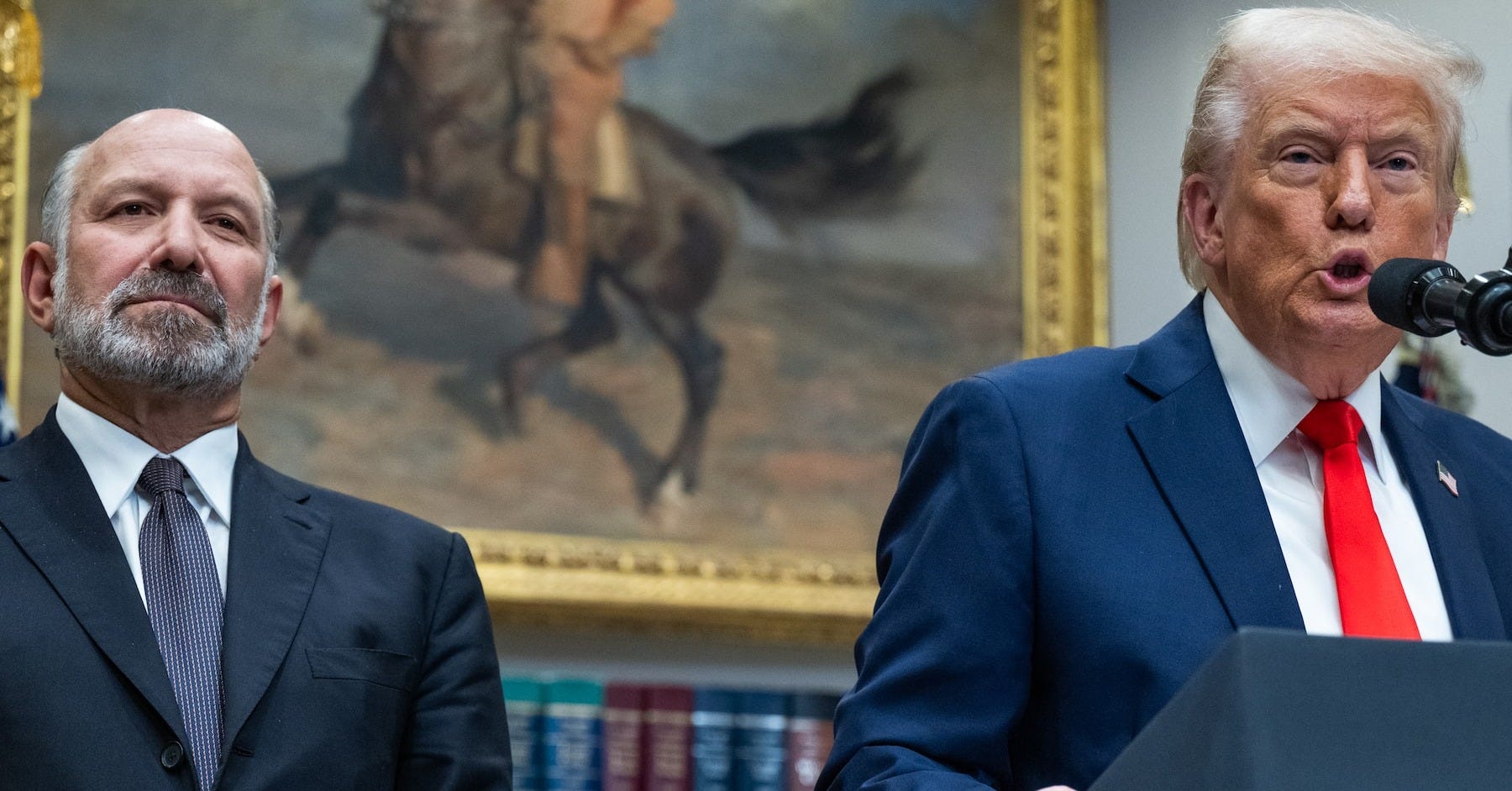
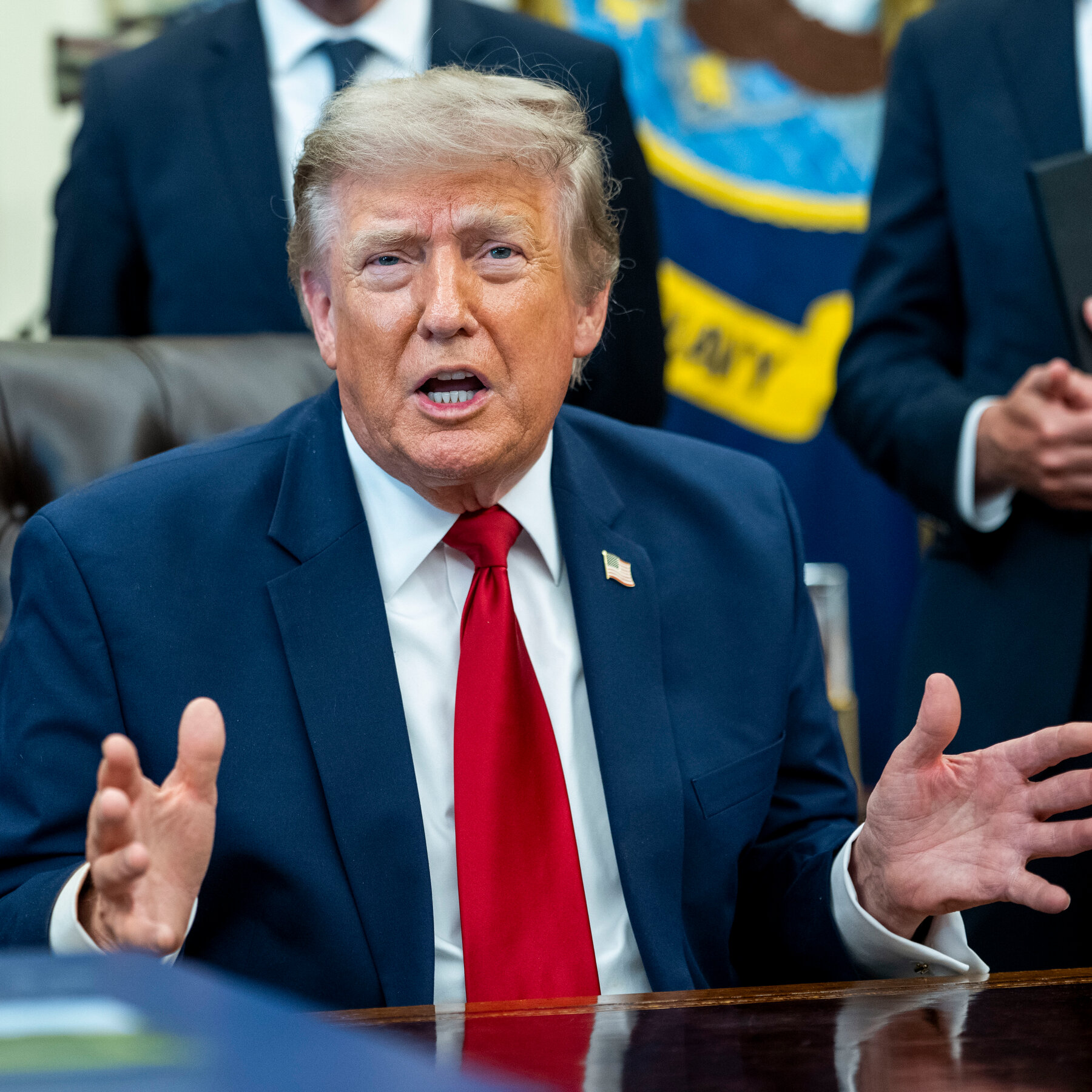
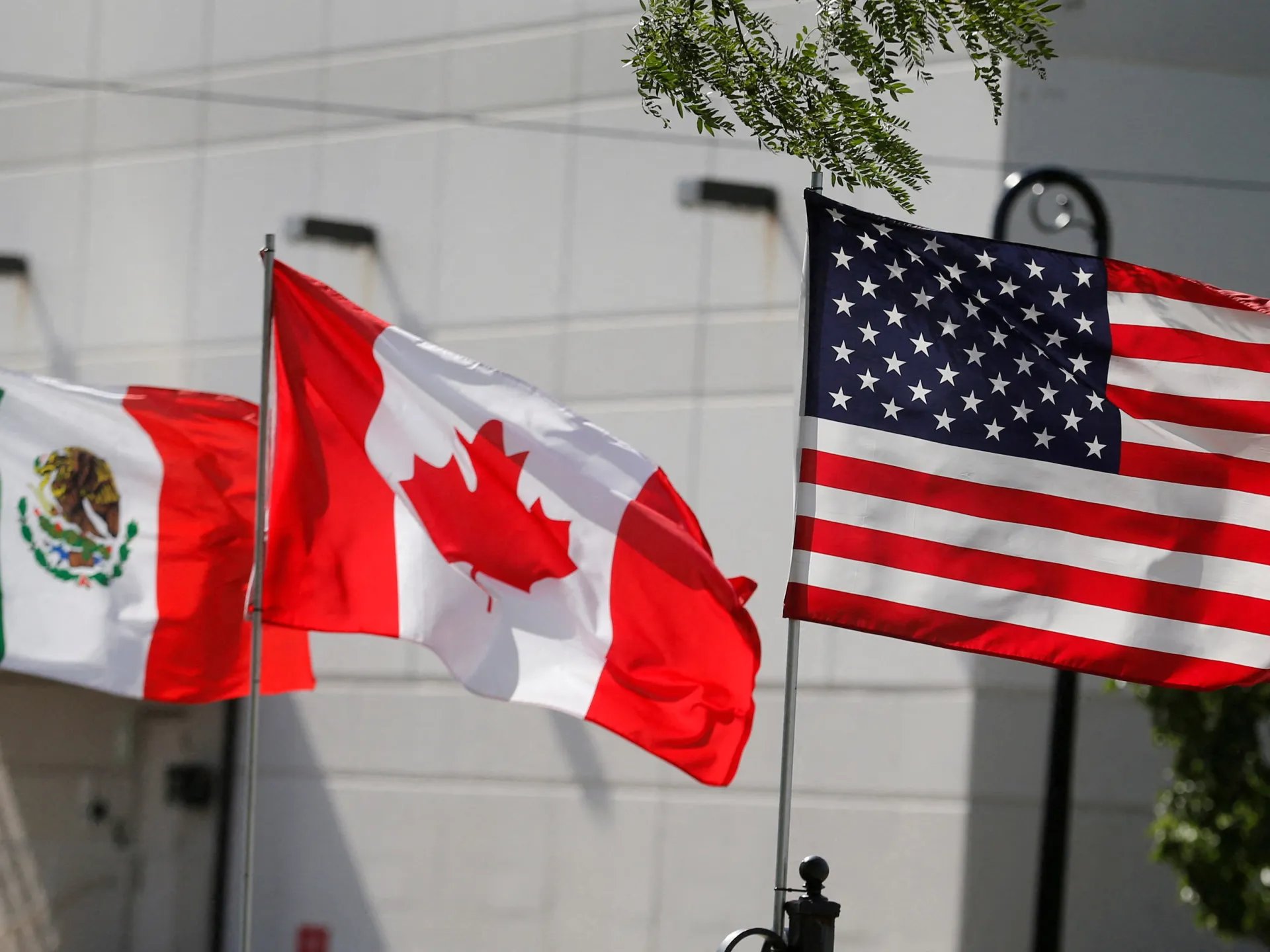
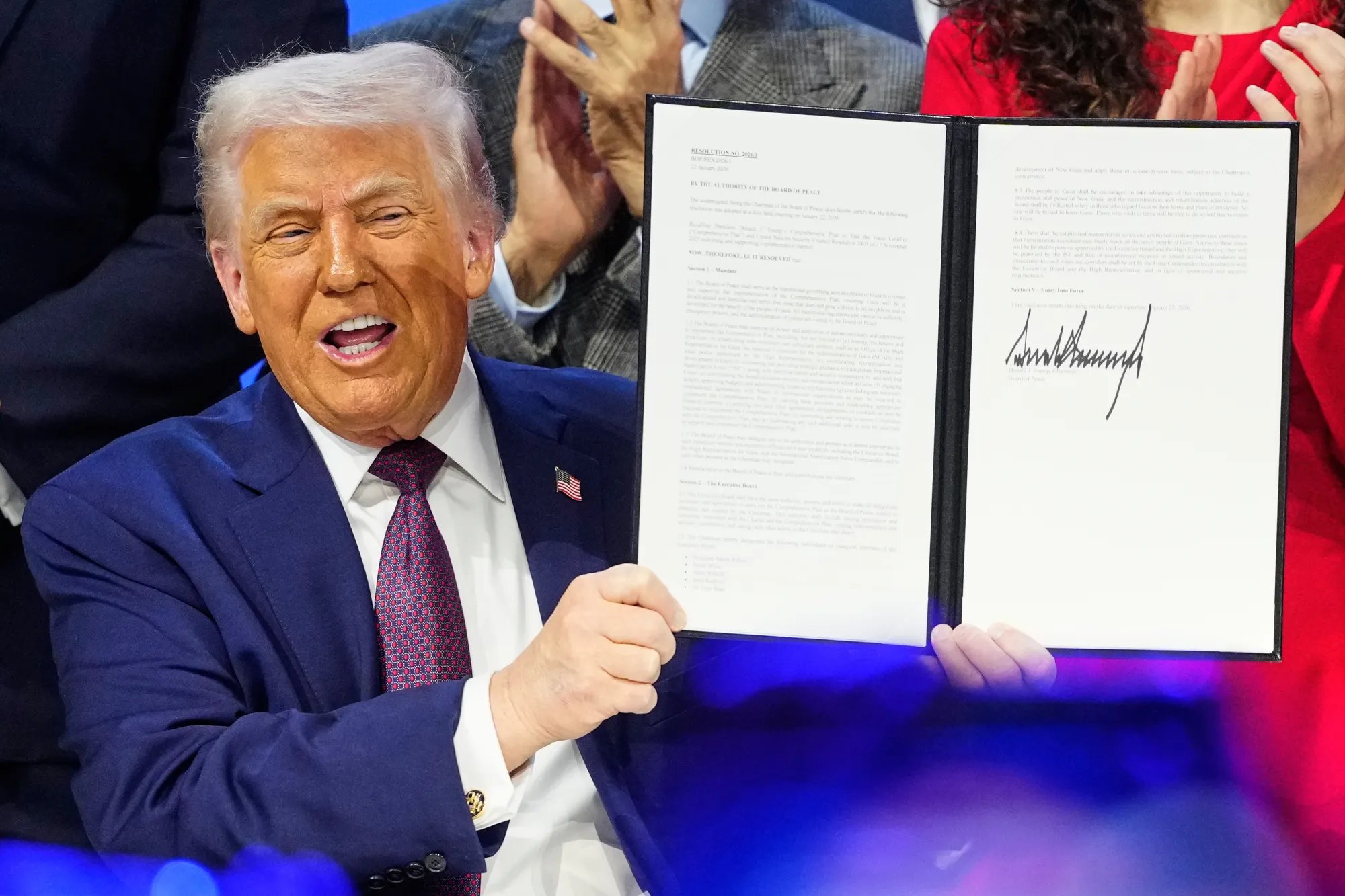
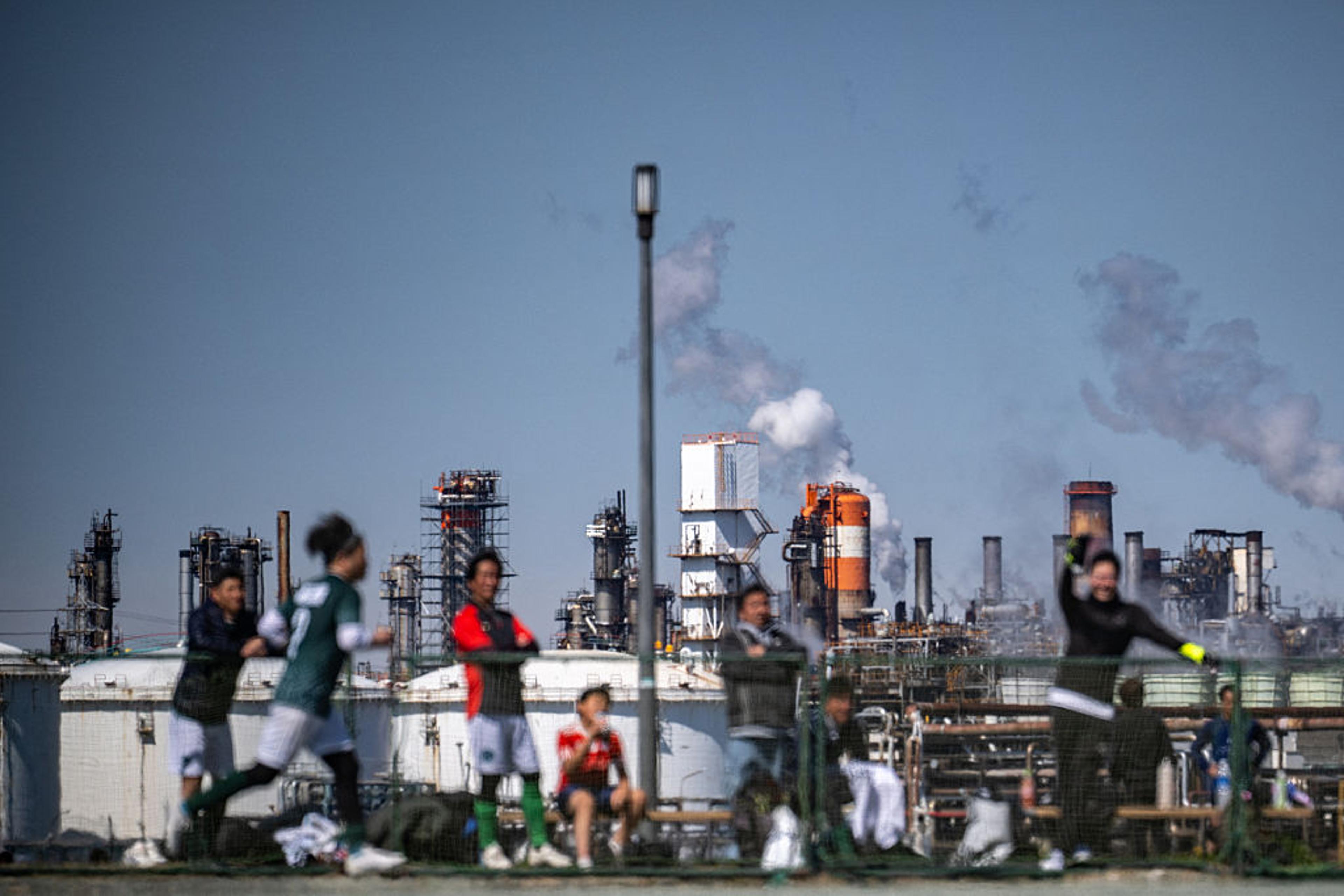
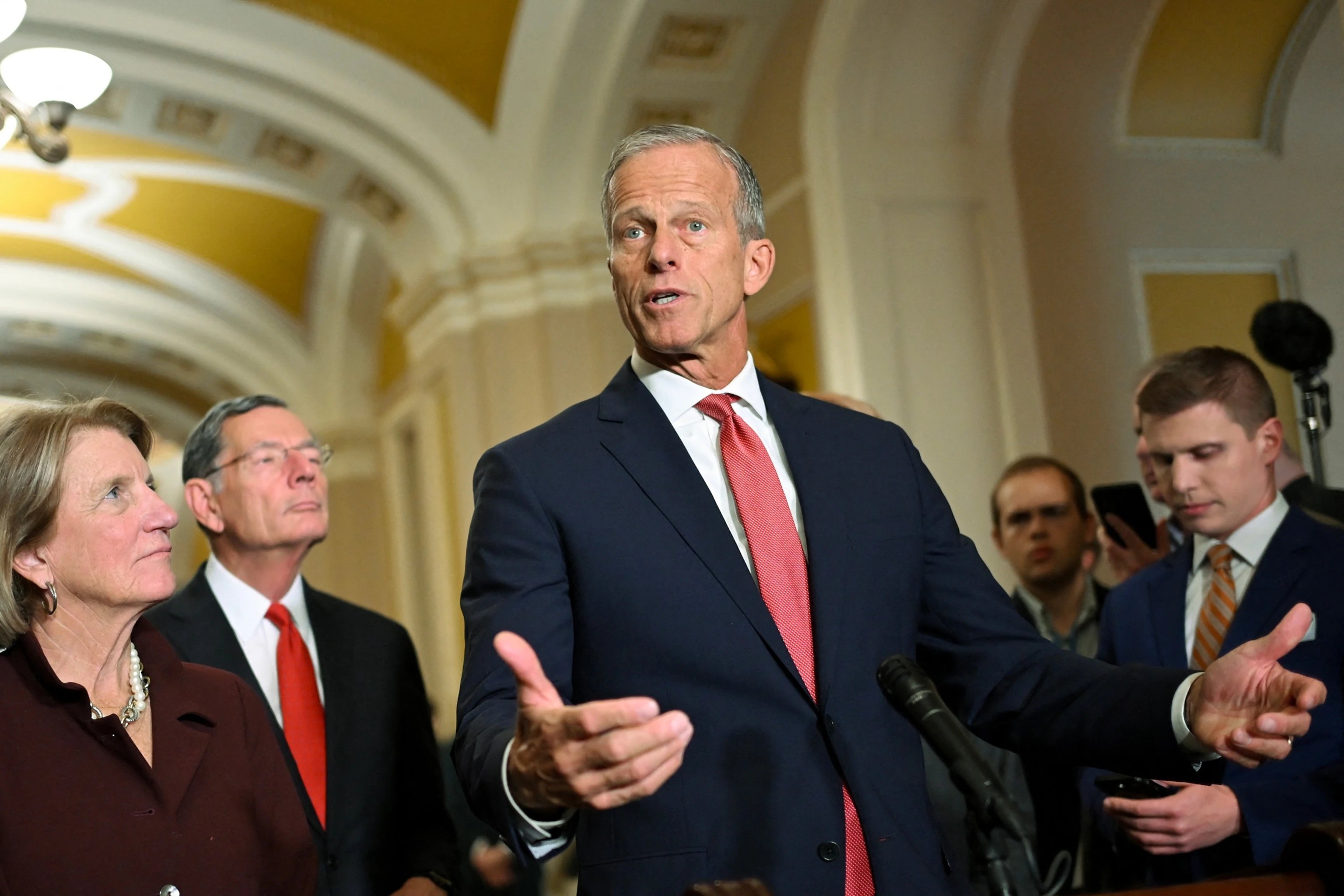
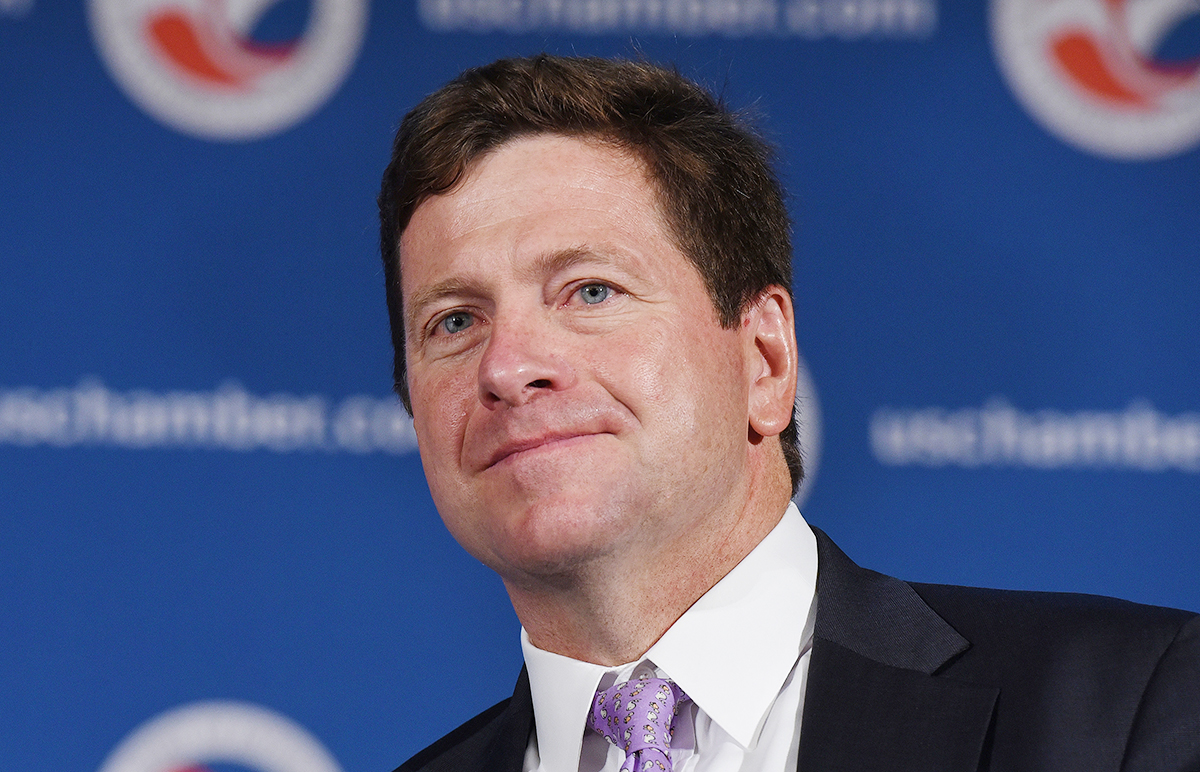
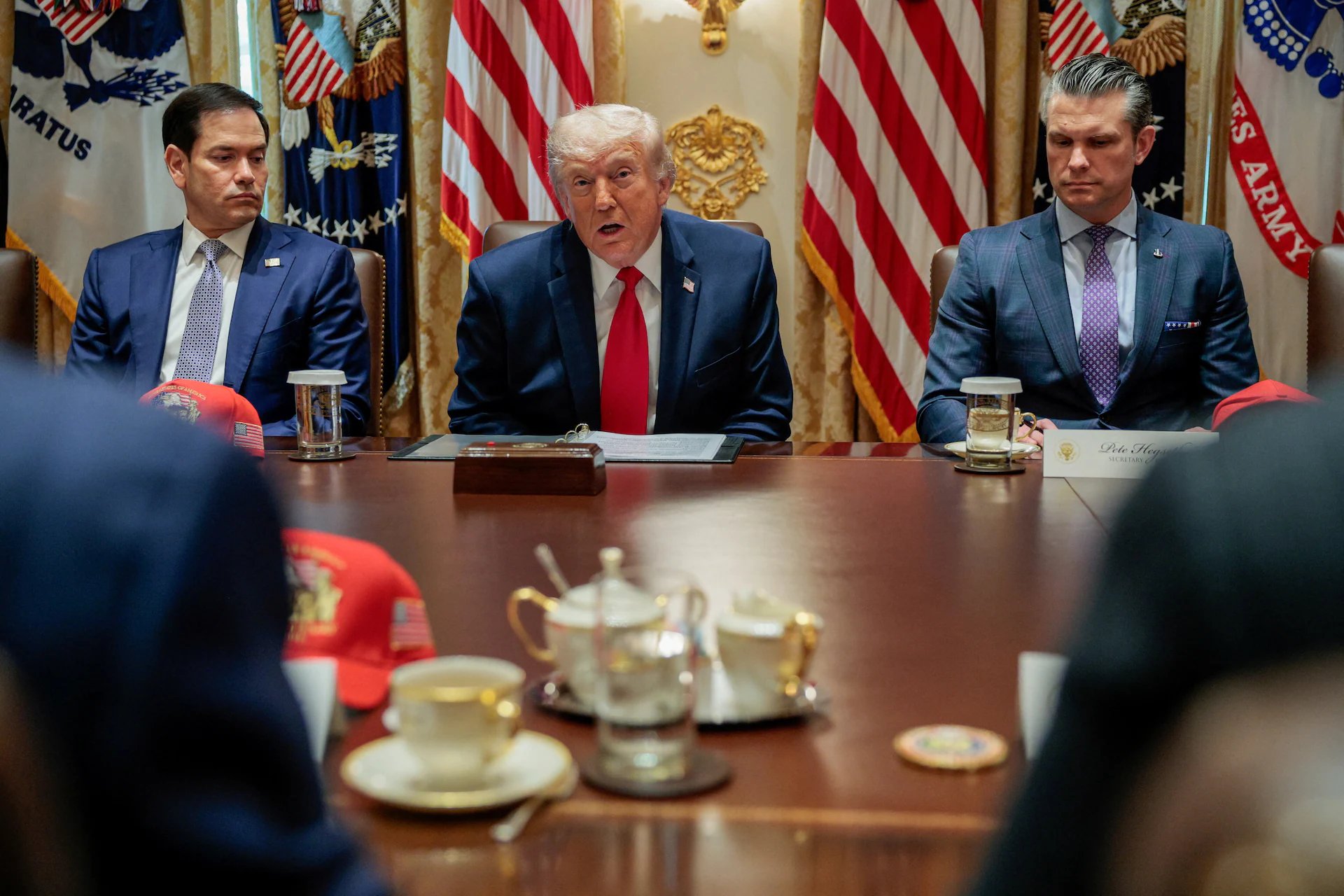
The Trump administration has unveiled a sweeping proposal to impose tariffs on 60 countries, including major trade partners such as Canada and China. U.S. Trade Representative Jamieson Greer stated that the tariffs aim to address the "unacceptable" importation of goods produced through forced labor, which creates an unfair competitive advantage for foreign nations over American workers. The proposed tariffs would impose a minimum tax of 10% on these countries, with 54 nations, including India and Brazil, facing a higher rate of 12.5%.
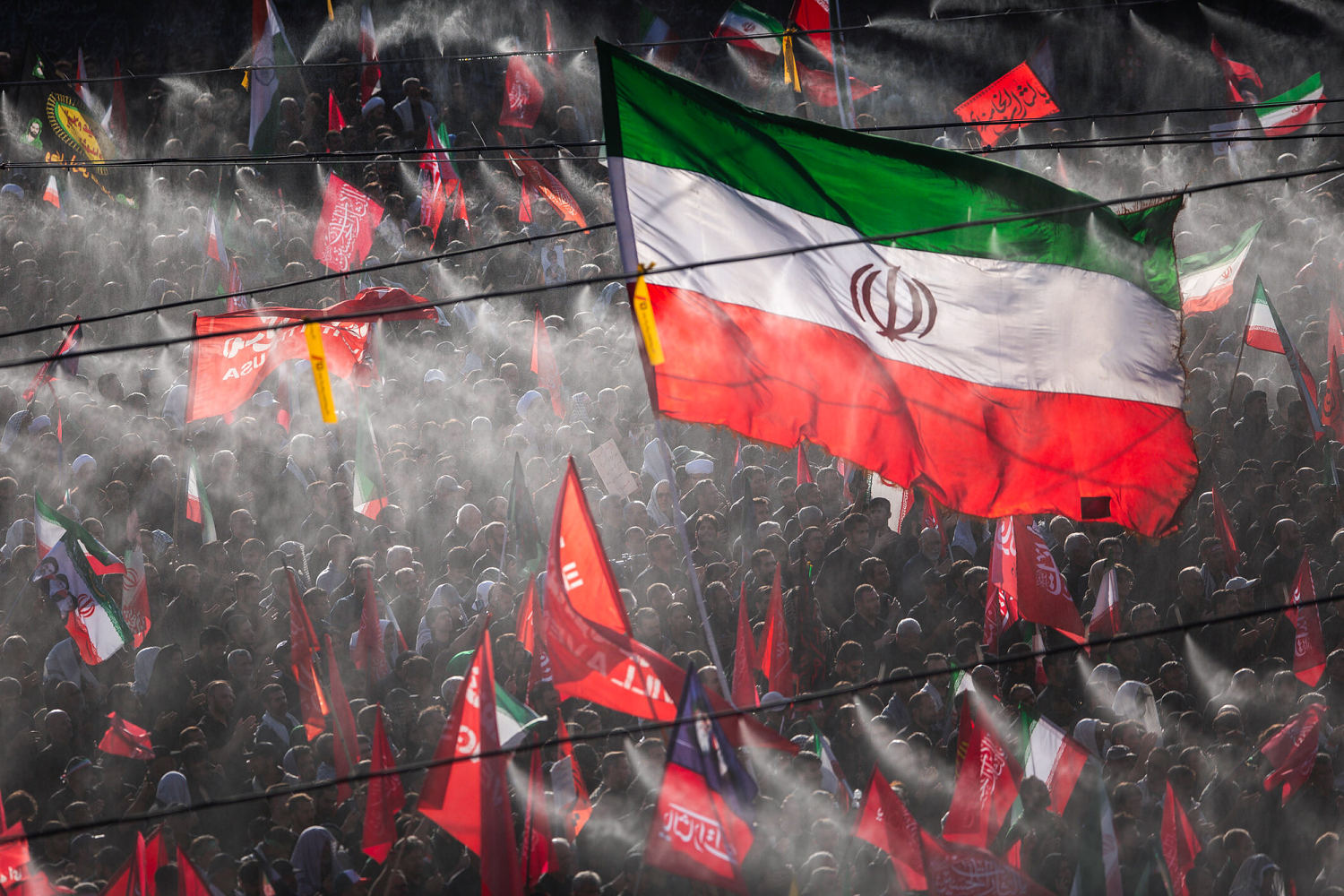
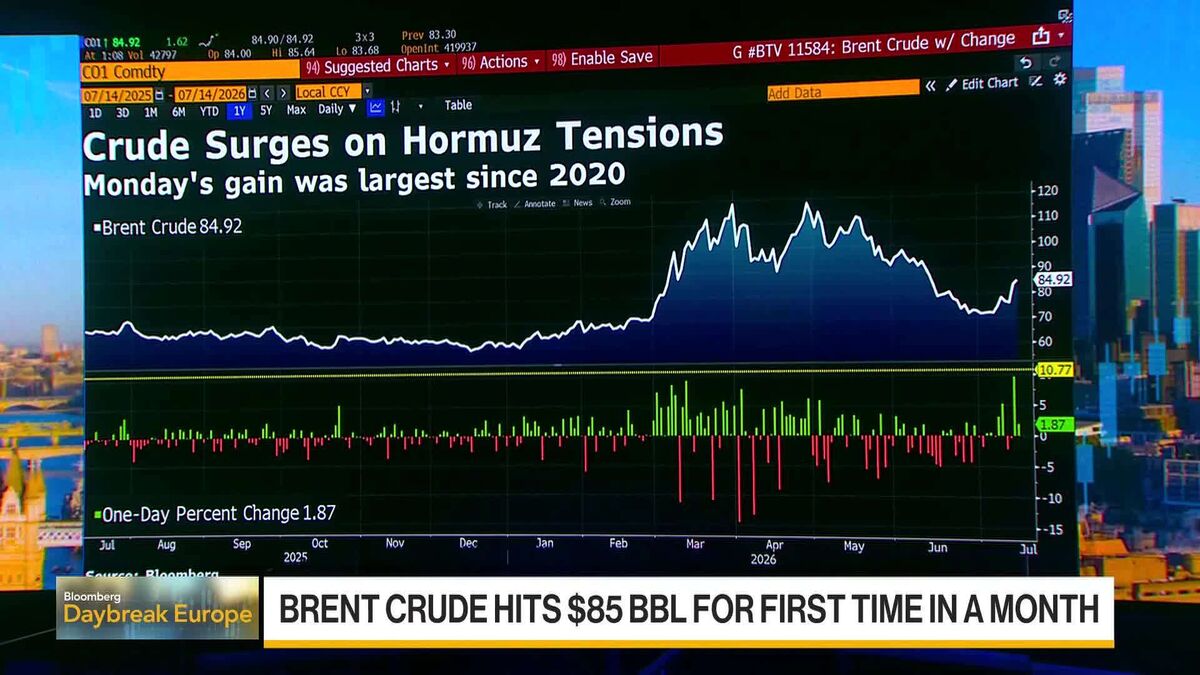
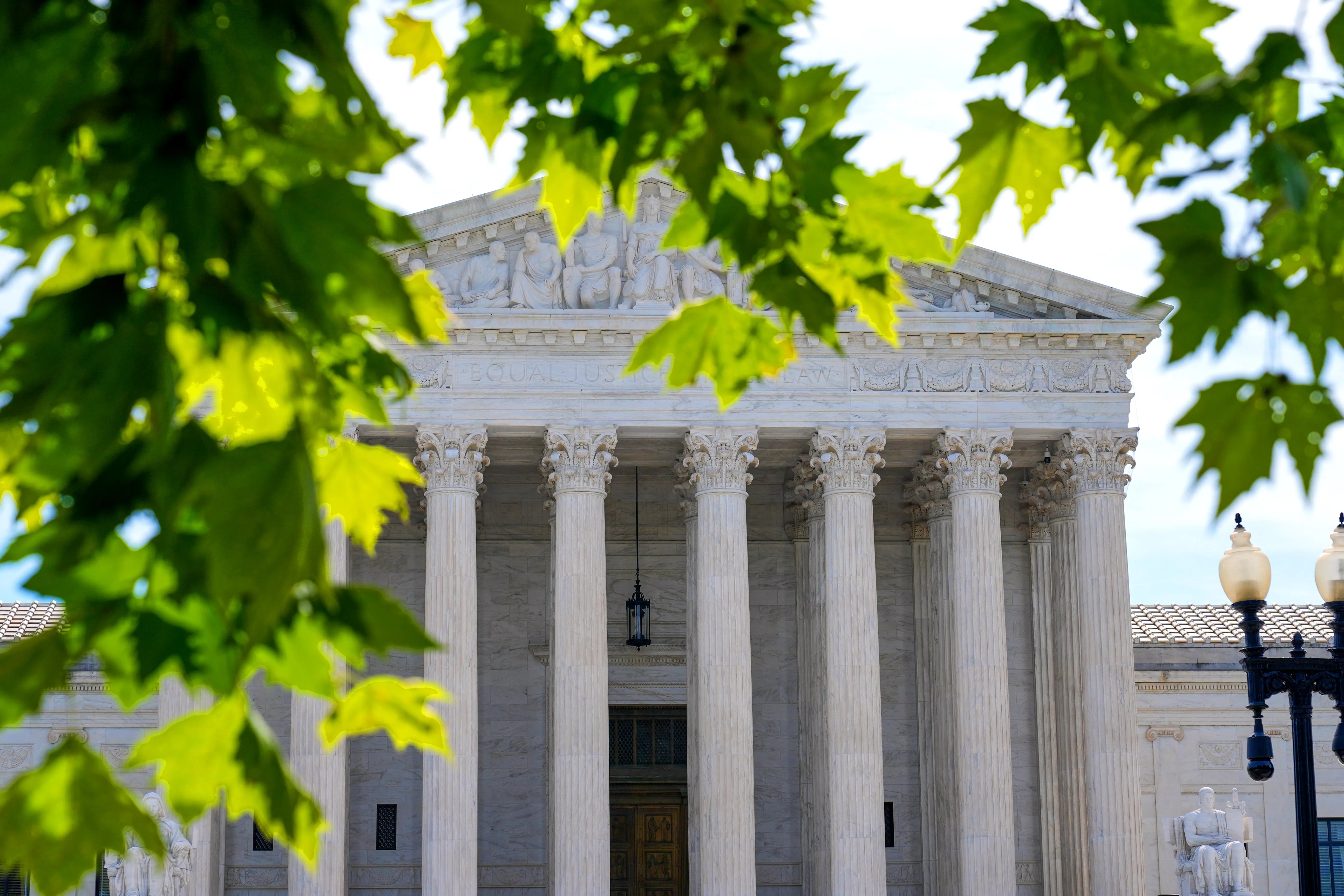
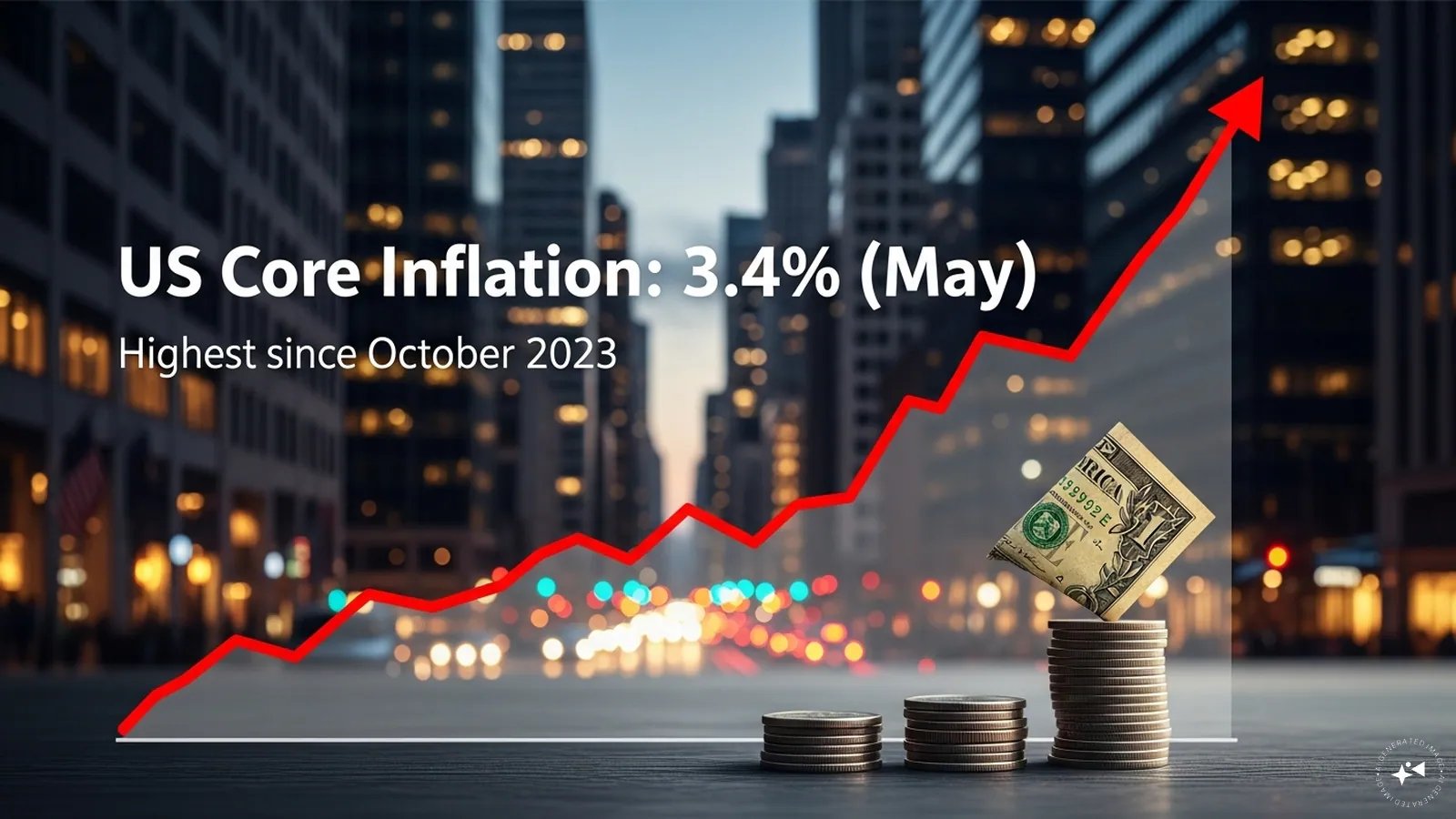
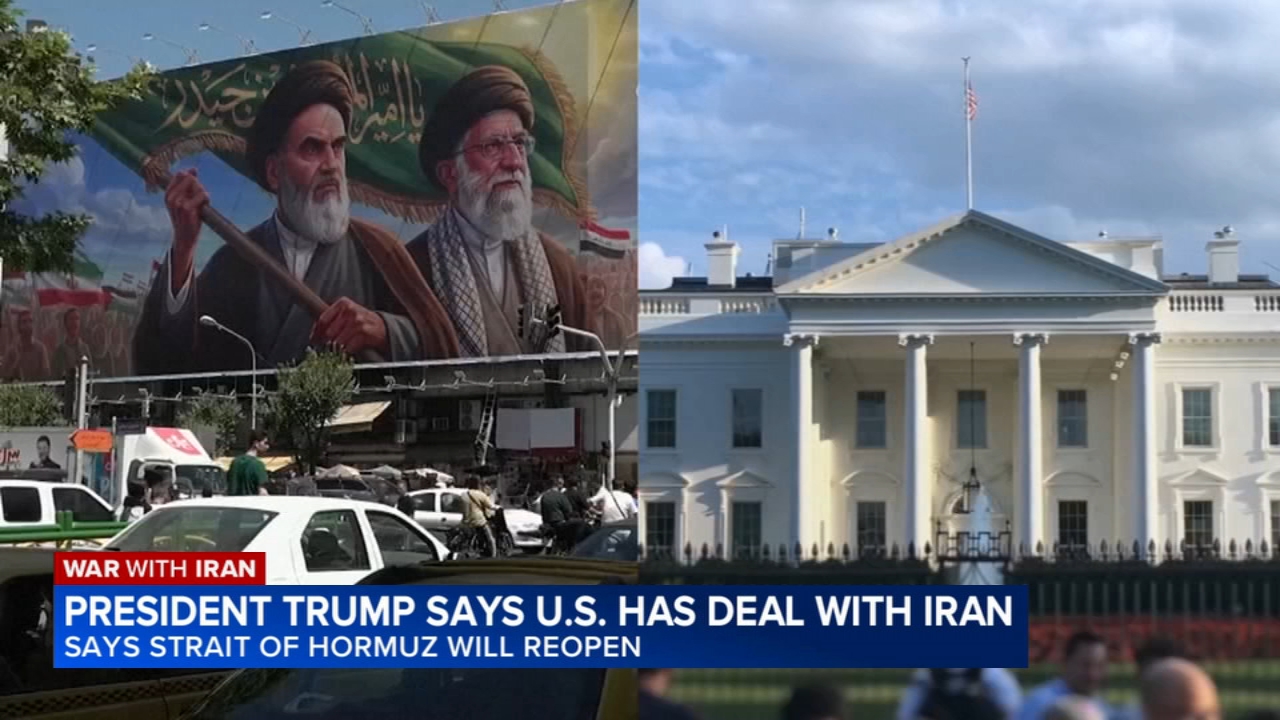
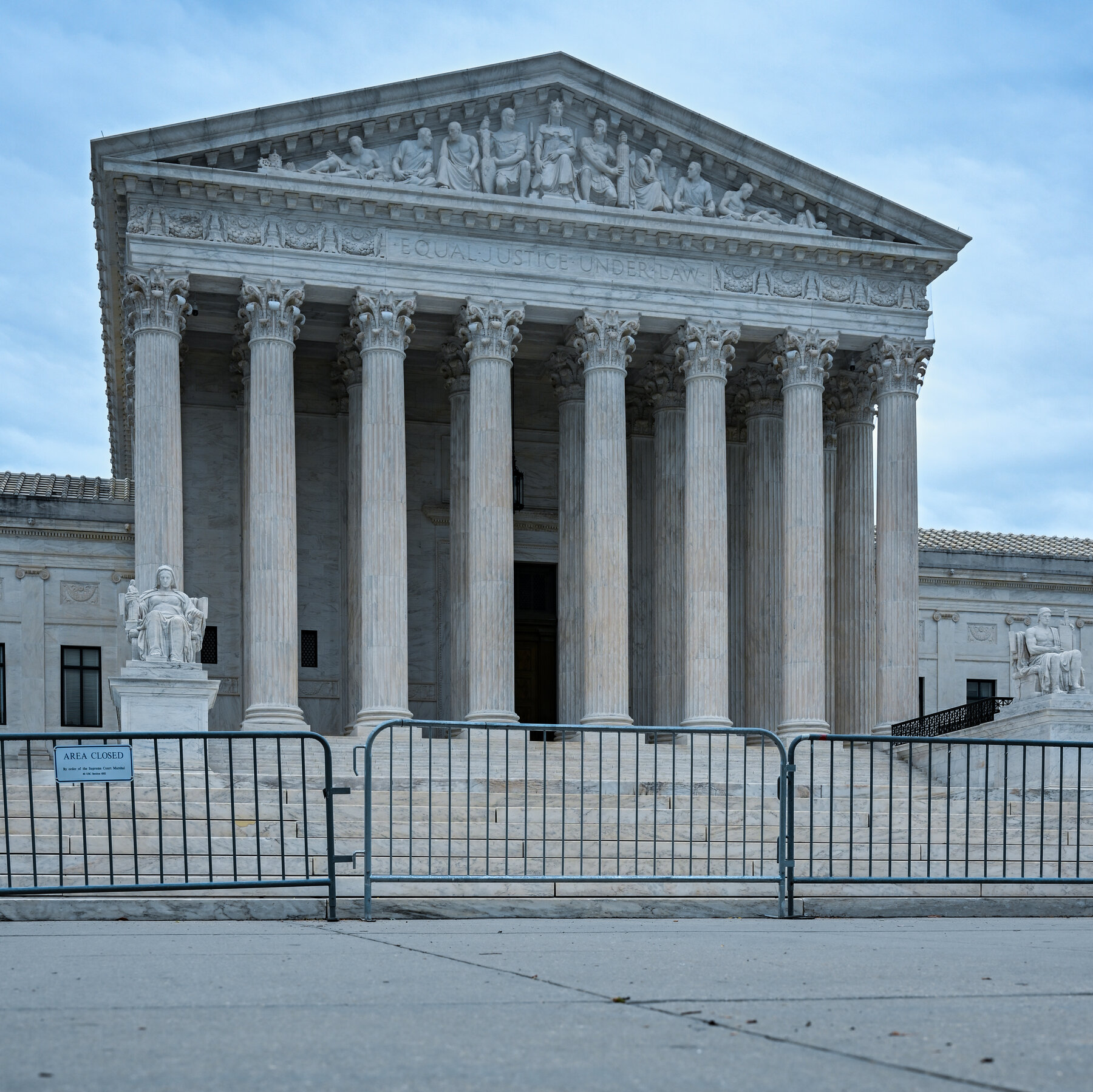
The new tariffs come at a time of rising inflation, largely attributed to ongoing geopolitical tensions, including the war in Iran. Analysts warn that these tariffs could further increase consumer prices on a wide range of imported goods. The overall tariff levels would rise but would remain below the peaks seen before a Supreme Court ruling earlier this year that struck down previous tariffs. Jason Miller, a supply-chain management professor at Michigan State University, noted that despite the proposed increase, consumers would still be better off than under prior tariffs.
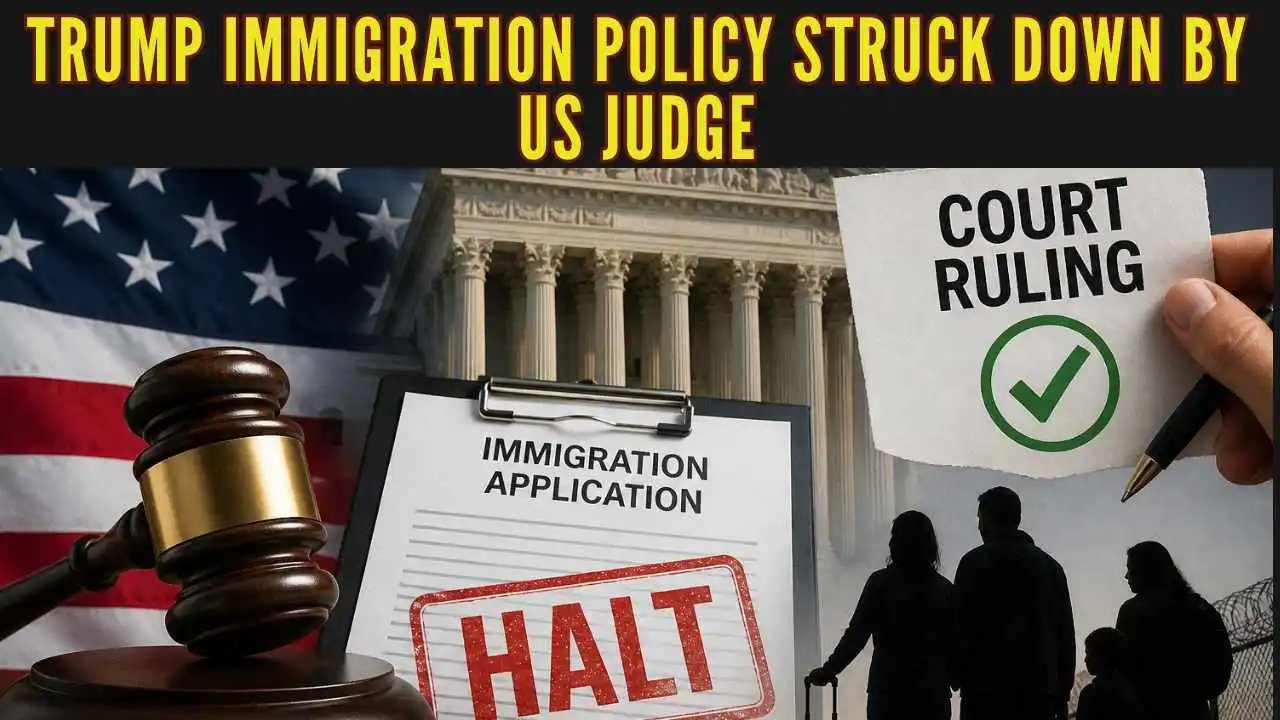
The proposed tariffs may face legal challenges similar to those encountered by previous measures. Alan Wolff, a former deputy director-general of the World Trade Organization, argued that the tariffs violate the intention of Section 301 of the Trade Act, which was designed to address trade issues on a country-by-country basis rather than blanket tariffs. However, a report from investment bank Macquarie indicated that the courts have previously upheld tariffs issued under Section 301, suggesting a higher likelihood of these new tariffs surviving legal scrutiny.
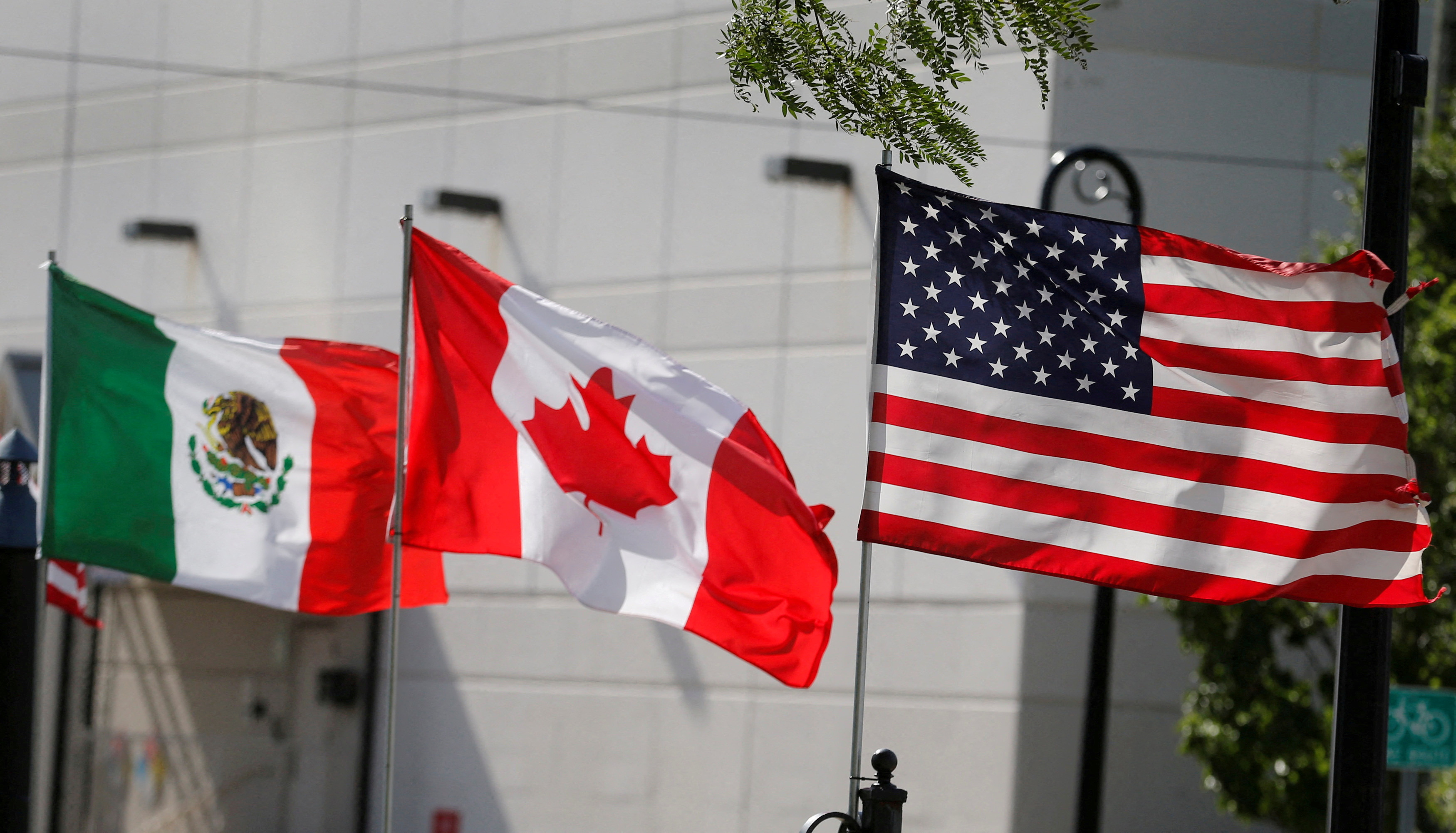
Certain goods would be exempt from the proposed tariffs, including those covered by the United States-Mexico-Canada Agreement (USMCA), which accounts for about 20% of U.S. imports. Many agricultural, apparel, and energy products would also escape the new levies. This exemption could significantly mitigate the overall impact of the tariffs on consumers and businesses reliant on these imports.
A public hearing regarding the proposed tariffs is scheduled for July 7, with implementation likely following shortly after. The administration is racing to enact these tariffs before previous ones expire next month. Those earlier tariffs were struck down by a federal court but allowed to remain in place for most importers pending appeal. If approved, the new tariffs could reshape the landscape of U.S. trade policy and its economic implications for consumers.
The Trump administration has unveiled a sweeping proposal to impose tariffs on 60 countries, including major trade partners such as Canada and China. U.S. Trade Representative Jamieson Greer stated that the tariffs aim to address the "unacceptable" importation of goods produced through forced labor, which creates an unfair competitive advantage for foreign nations over American workers. The proposed tariffs would impose a minimum tax of 10% on these countries, with 54 nations, including India and Brazil, facing a higher rate of 12.5%.
The new tariffs come at a time of rising inflation, largely attributed to ongoing geopolitical tensions, including the war in Iran. Analysts warn that these tariffs could further increase consumer prices on a wide range of imported goods. The overall tariff levels would rise but would remain below the peaks seen before a Supreme Court ruling earlier this year that struck down previous tariffs. Jason Miller, a supply-chain management professor at Michigan State University, noted that despite the proposed increase, consumers would still be better off than under prior tariffs.
The proposed tariffs may face legal challenges similar to those encountered by previous measures. Alan Wolff, a former deputy director-general of the World Trade Organization, argued that the tariffs violate the intention of Section 301 of the Trade Act, which was designed to address trade issues on a country-by-country basis rather than blanket tariffs. However, a report from investment bank Macquarie indicated that the courts have previously upheld tariffs issued under Section 301, suggesting a higher likelihood of these new tariffs surviving legal scrutiny.
Certain goods would be exempt from the proposed tariffs, including those covered by the United States-Mexico-Canada Agreement (USMCA), which accounts for about 20% of U.S. imports. Many agricultural, apparel, and energy products would also escape the new levies. This exemption could significantly mitigate the overall impact of the tariffs on consumers and businesses reliant on these imports.
A public hearing regarding the proposed tariffs is scheduled for July 7, with implementation likely following shortly after. The administration is racing to enact these tariffs before previous ones expire, which were temporarily upheld by a federal court. If approved, the new tariffs could reshape the landscape of U.S. trade policy and its economic implications for consumers.
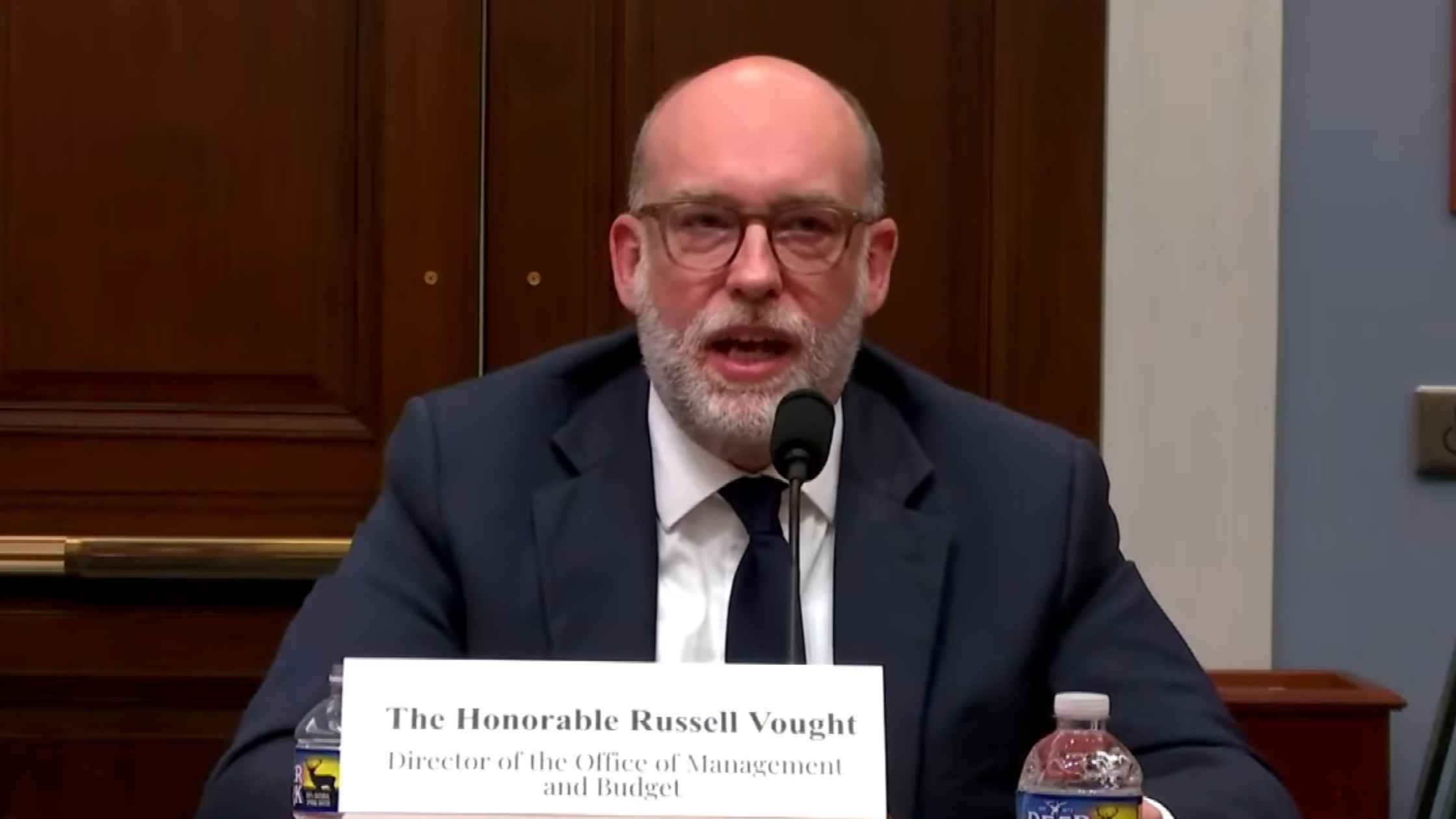
In a related move, the Trump administration is also proposing significant changes to how federal research grants are awarded. This overhaul, driven by the Office of Management and Budget (OMB), seeks to give political appointees greater control over funding decisions, potentially sidelining subject matter experts. Critics argue this could lead to a politicization of scientific research, limiting the scope and integrity of critical studies.
Craig McLean, former chief scientist at the National Oceanic and Atmospheric Administration, expressed serious concerns about the implications of allowing political appointees to determine funding priorities. He contended that this shift could undermine the quality of scientific research, as decisions would be made by individuals lacking the necessary expertise. The OMB argues that these changes are needed to eliminate perceived wasteful spending, but researchers fear it could stifle innovation and diversity in scientific inquiry.
As the Trump administration moves forward with these sweeping proposals, both consumers and the scientific community face uncertain futures. The looming tariffs threaten to escalate consumer prices, while the overhaul of research funding could restrict critical scientific advancements. Stakeholders across various sectors will need to closely monitor developments, as the outcomes may have lasting repercussions on both the economy and the integrity of scientific research in the United States.
Highlighted text was flagged by the council. Tap to see feedback.