






Shortened comment periods eliminate environmental review stage
The Trump administration is moving to drastically curtail public participation in decisions about oil and gas drilling on federal lands, according to proposals released this week by the interior department. The changes would eliminate two mandatory public comment periods entirely and slash a third from 30 days to just 10 days, reducing total public input opportunities from at least 90 days to a single 10-day protest window.
Currently, the Bureau of Land Management must provide 30 days for public comment on which tracts will be leased, at least 30 additional days for National Environmental Policy Act environmental review documents, and a 30-day protest period after notice of a lease sale is published. Under the revised rules, the first two comment periods would vanish entirely.
A spokesperson for the interior department said the revisions would "streamline outdated procedures that have slowed the development of reliable, domestic energy." Interior Secretary Doug Burgum said the changes would "cut through the red tape that has historically deterred investment, ensuring our public lands remain a reliable engine for economic growth and innovation."
Companies pay less for cleanup while releasing more methane
The proposal also includes a measure to slash financial assurances companies must provide to cover cleanup of spent wells. The requirement would drop from $500,000 under Biden-era rules to $25,000. Amy Mall, director of fossil fuels at the Natural Resources Defense Council, said the rollback means "when the wells stop producing and the operators move on, taxpayers and nearby communities can be left with polluted water, leaking methane, and the tab."
Energy firms would also face fewer restrictions on methane releases under the new rules. The Biden-era requirement that companies certify they will capture all oil and gas produced or develop a plan to reduce methane releases would be removed entirely.
Environmental advocates warn of reduced oversight
Wendy Park, a senior attorney at the Center for Biological Diversity, said the compressed timeline prevents meaningful public participation. "A 10-day protest period is also insufficient for the public to weigh in when there can be dozens of lease parcels in a single lease sale, each with unique resource concerns," she said. "It's crucial for the public to be able to have time to raise concerns about specific resources on the ground, especially because BLM staff are not oftentimes necessarily familiar with conditions on the ground and what the effects might be of their decisions."
Park argued that public input mechanisms actually improve efficiency by enabling agencies and communities to "head off" conflicts early without litigation. "It's a really important way for agencies to actually make better decisions, to make decisions that result in less conflict and ultimately save time and money," she said.
Alexa Dietrich, research director at the Union of Concerned Scientists, characterized the broader pattern as an assault on democratic participation. "By ignoring public comment requirements while propping up companies, they're really attacking democracy in a very clear way," she said.
Pattern extends across federal agencies
The interior department proposal is part of a wider administration effort to curtail public input in environmental reviews. In February, the Forest Service proposed drastically cutting comment and objection periods for environmental assessments while eliminating extension possibilities. The Council on Environmental Quality rescinded longstanding National Environmental Policy Act regulations in February, and the Environmental Protection Agency this week proposed making comment periods for environmental reviews optional.
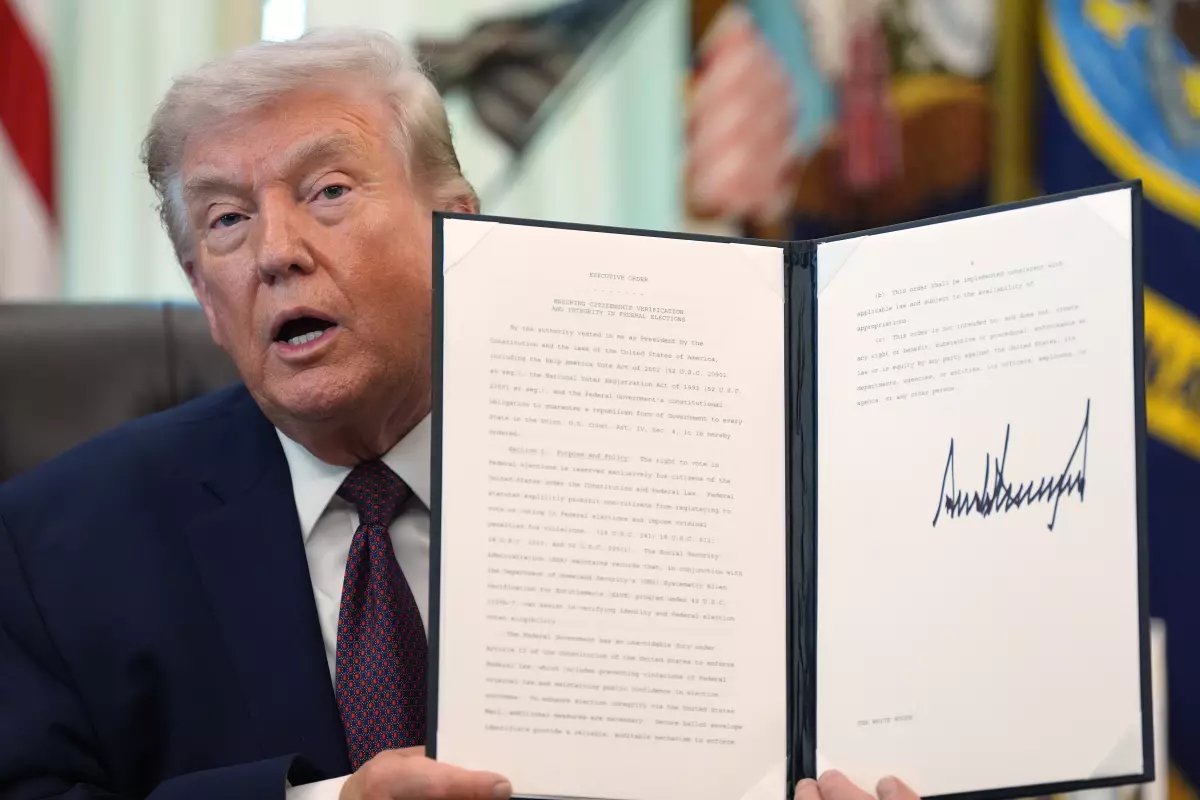
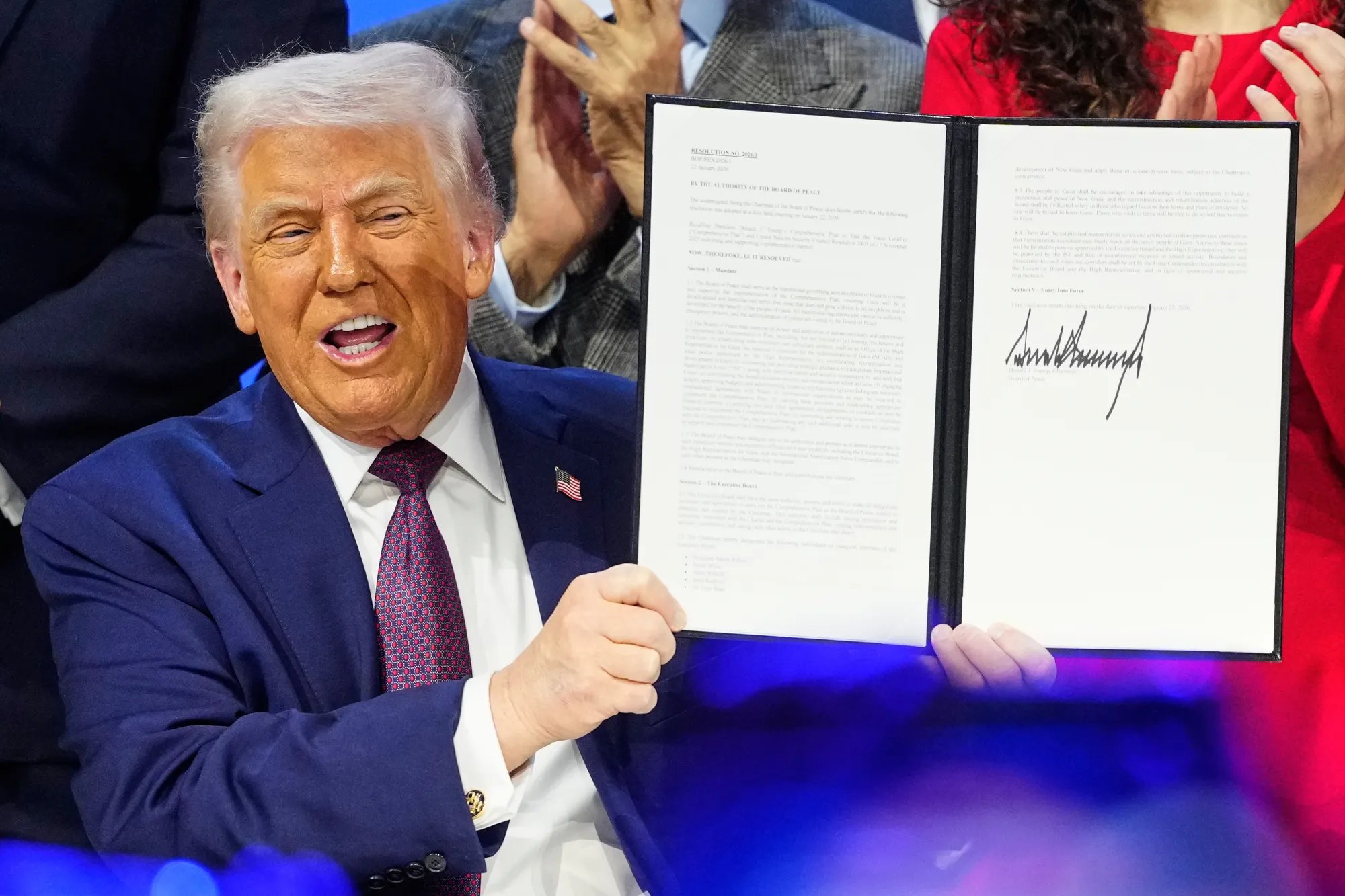
Since the Council on Environmental Quality changes took effect, the Department of Agriculture, interior department, Surface Transportation Board, army corps of engineers, energy department, and National Highway Traffic Safety Administration have all proposed or finalized changes eliminating public comment requirements. Last April, President Trump signed an executive order directing the energy department to repeal water efficiency standards for showerheads, stating that "notice and comment is unnecessary because I am ordering the repeal."
An EPA spokesperson said environmentalists concerned about its proposal were "left-wing environmental radicals" who "spent years turning NEPA into a weapon to hinder American energy dominance and prosperity."



































































































































































































































































































































































































































































For example, the rollback of financial assurances for cleanup means companies would only need to provide $25,000, significantly less than the $500,000 requirement established under Biden-era rules.