




The Missing Accountability Tool
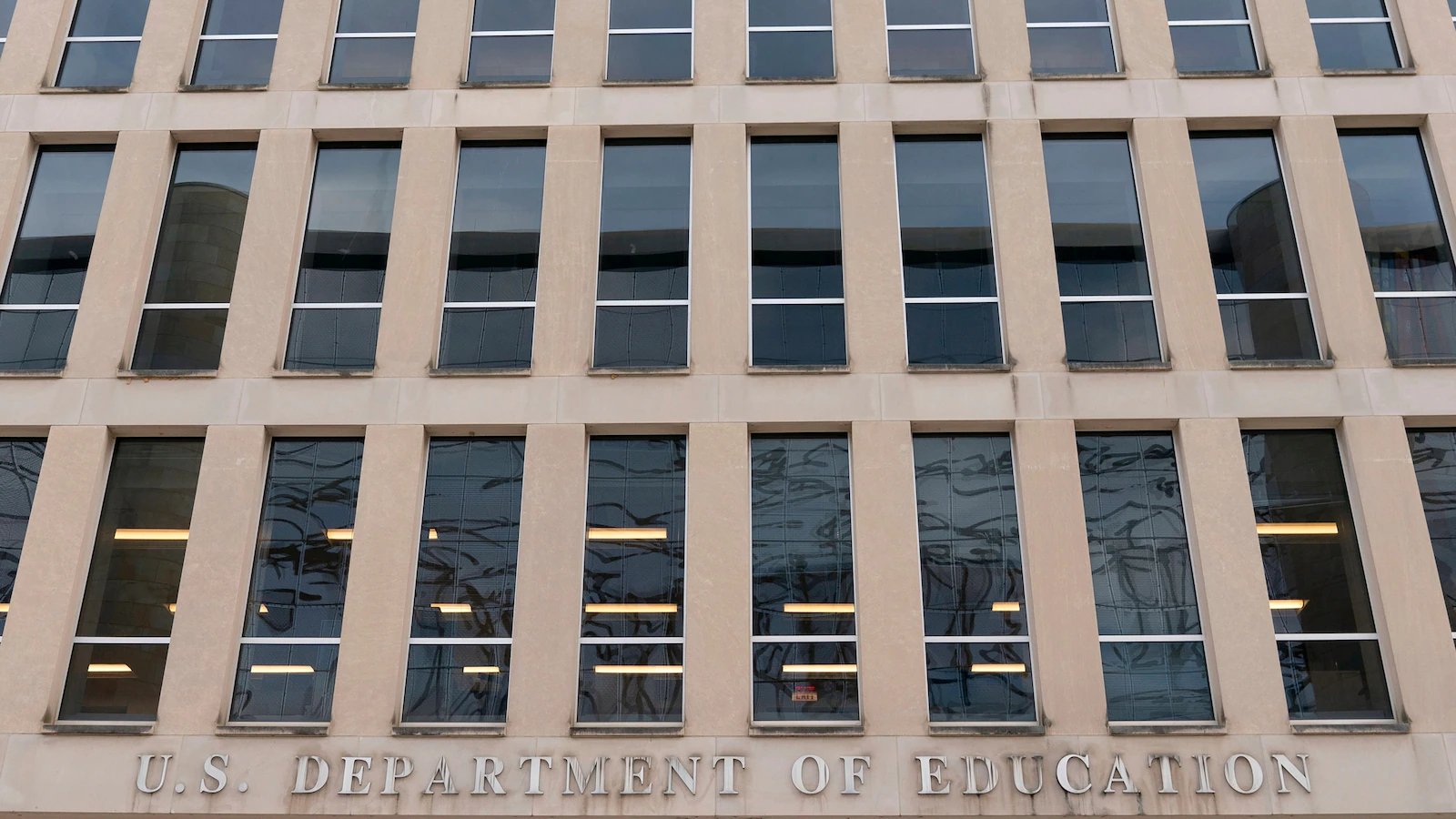
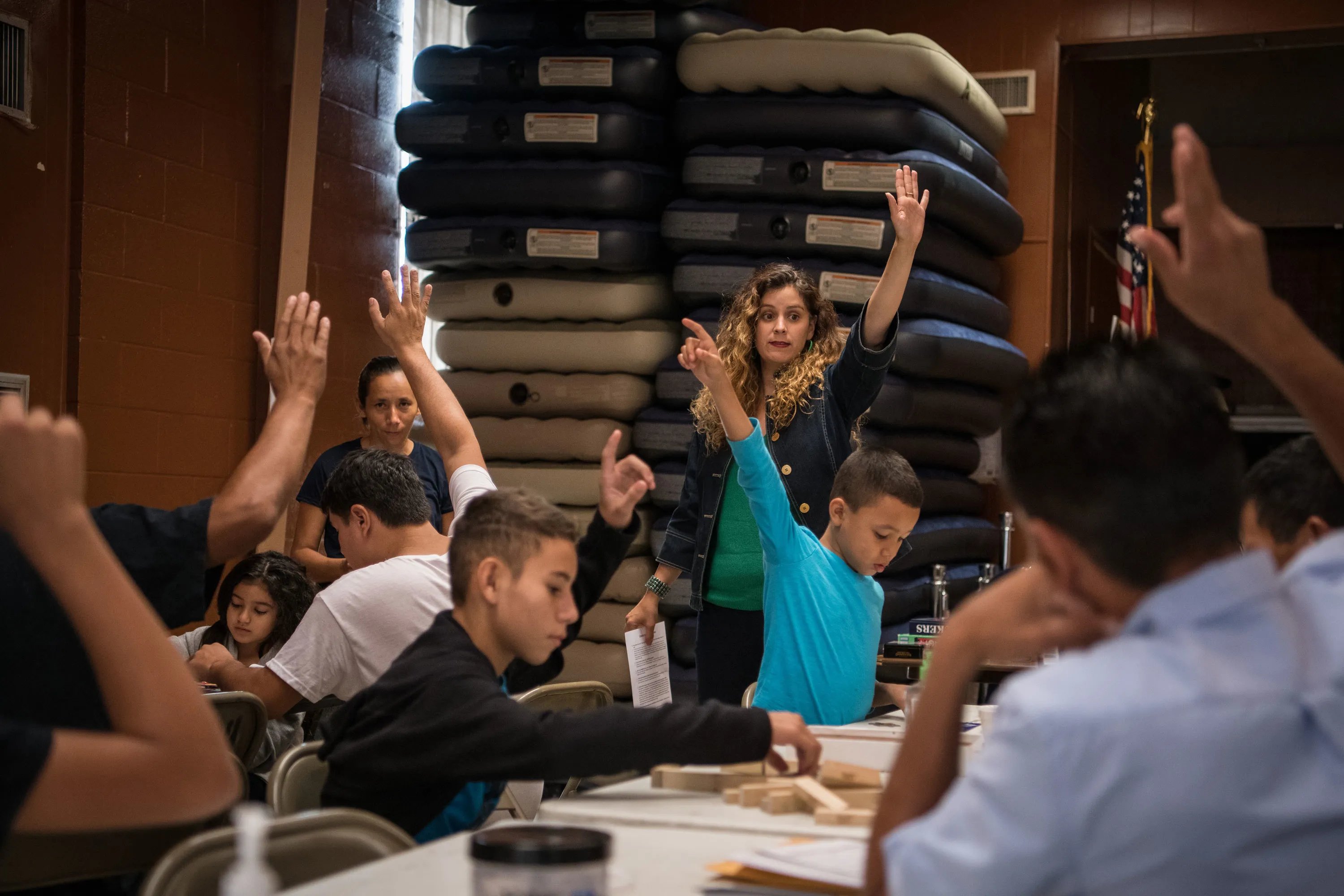
For more than 50 years, the Education Department's Civil Rights Data Collection has revealed how students are treated in every public school across America: which children face bullying, which encounter harassment, and which can access the internet. The latest dataset, collected about the 2023-24 school year, was supposed to be published in December but remains unreleased. The delay has left advocates and policymakers without critical information needed to hold schools accountable for protecting students' rights.
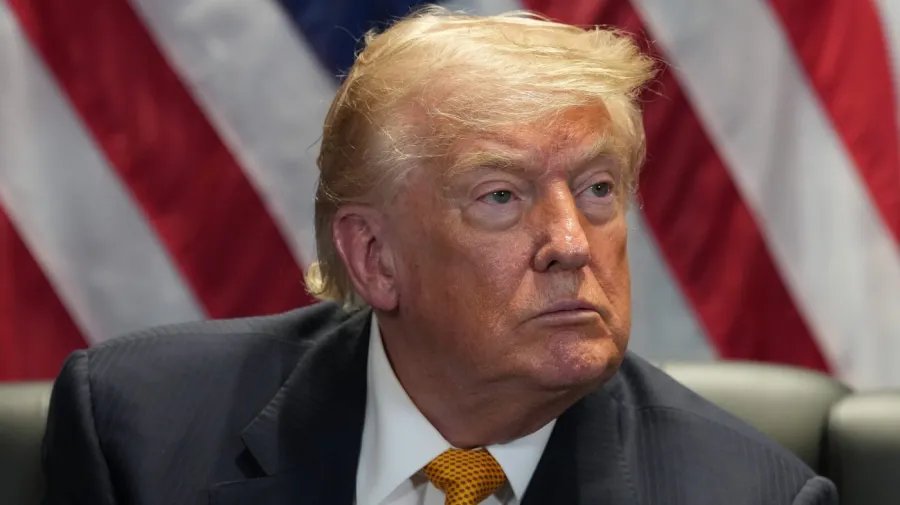
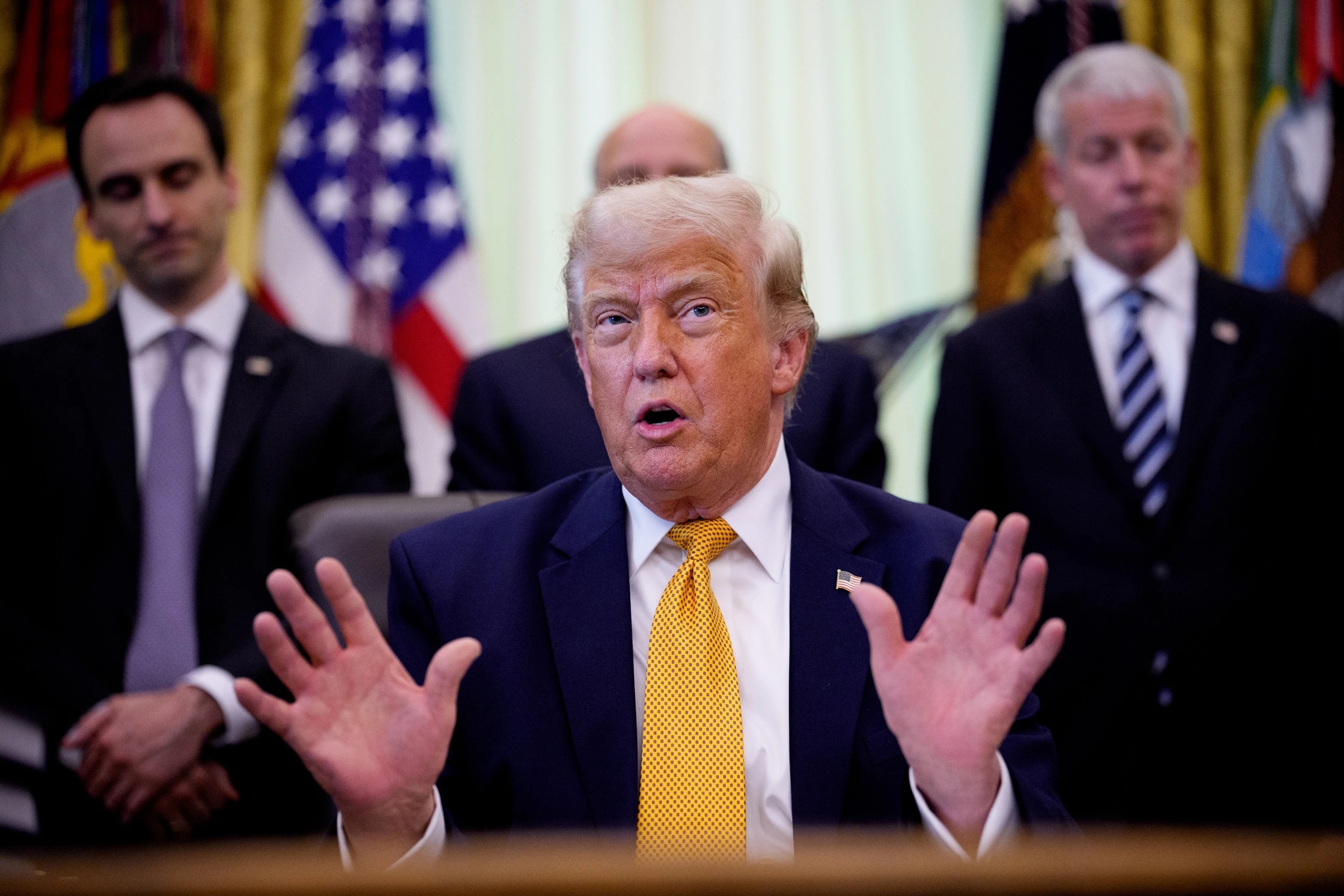
The Education Department has not responded to multiple requests explaining the delay. Federal bureaucracy moves slowly, but the timing raises particular concerns given the Trump administration's recent moves to reshape civil rights enforcement in schools.
Why the Delay Matters Now
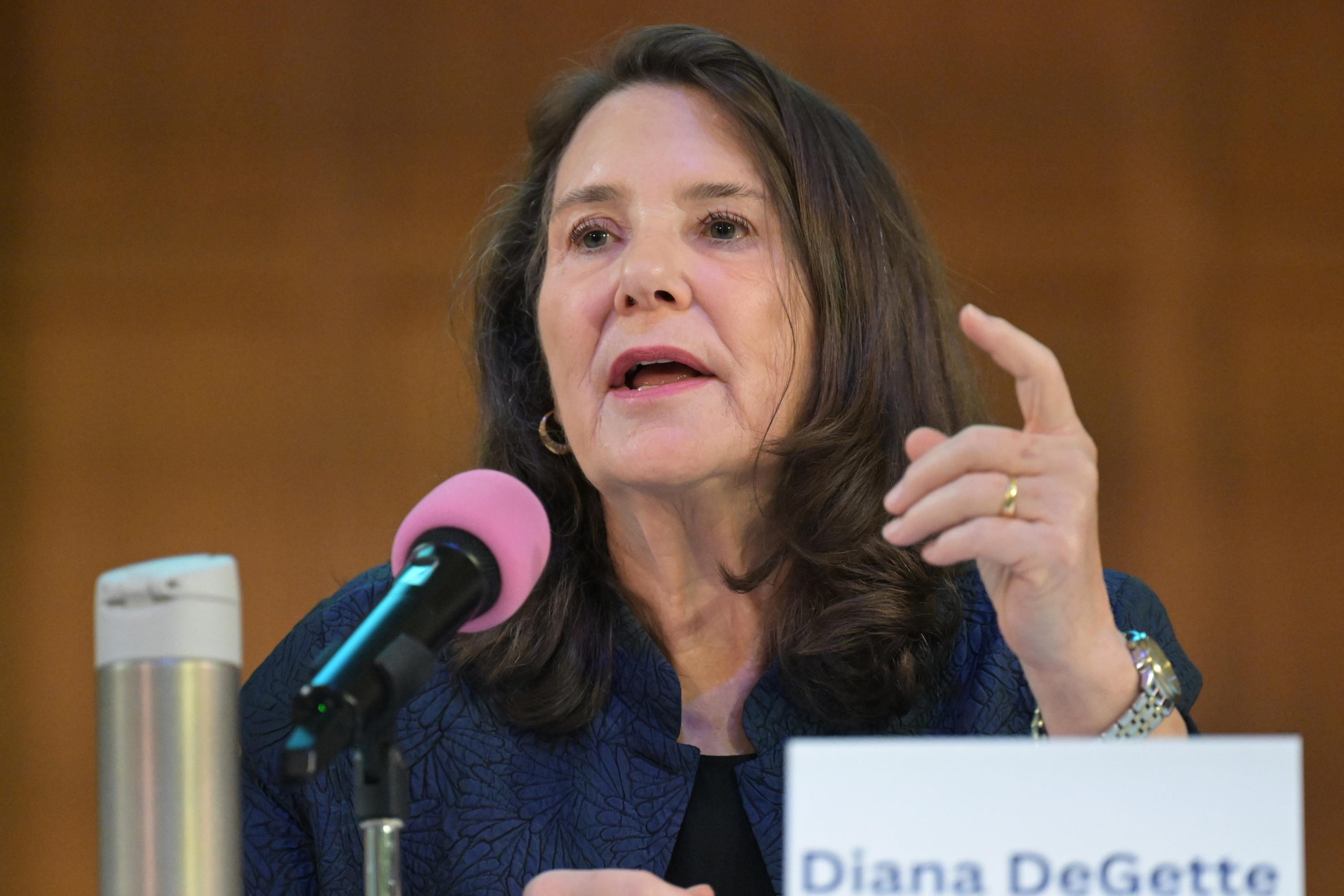
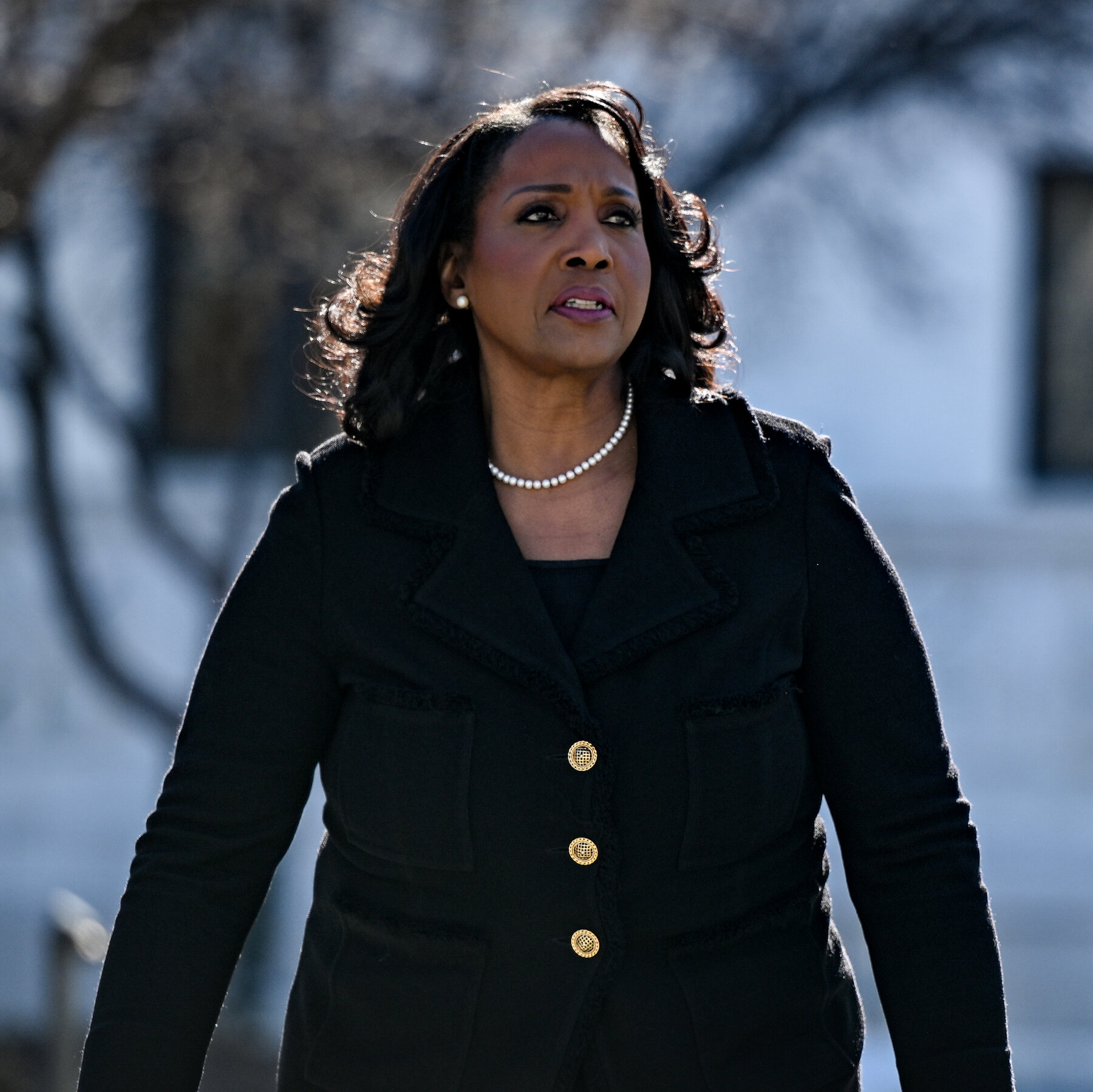
Denise Forte, president and CEO of EdTrust, a think tank focused on addressing education inequity, said the delay "raises serious concerns, particularly as this administration seeks to downplay the impacts of racism and economic inequality in public education." The missing data prevents advocates from identifying where schools fail to serve students and removes a crucial lever for pushing policy changes.
A former Education Department employee who worked on the Civil Rights Data Collection told NPR the team remains intact but its future is unclear. The person, speaking on condition of anonymity out of fear of professional repercussions, identified two possible causes for the delay: the 2025 government shutdown, which disrupted Education Department operations for over six weeks, and uncertainty surrounding the Trump administration's plan to move the Office for Civil Rights from the Education Department to the Department of Justice.
The Education Department has cut about half its overall staff since the Trump administration took office, further straining operations.
What Schools Could Hide Without the Data
One critical question the delayed dataset would answer concerns student access to the internet as artificial intelligence plays an expanding role in education. The former staffer posed the question directly: "Like, are our schools ready to usher in this wave of AI? Will all students have equal access to devices and internet capabilities? How do we know if the CRDC doesn't come out?"
The data has historically enabled lawmakers to craft targeted legislation. Democratic Senator Cory Booker of New Jersey and U.S. Representative Joaquin Castro of Texas used Civil Rights Data Collection findings to develop a bill proposing expanded access to Advanced Placement courses for underrepresented students, including minority and disabled students. A spokesperson for Booker's team said the bill would be reintroduced in the coming days.
The Broader Pattern of Reduced Oversight
The delay fits within a larger pattern of administration actions that limit transparency around how schools serve students with disabilities. The Trump administration has proposed eliminating a requirement for states to track which students are identified as having disabilities based on race and ethnicity, despite evidence that historically Black and brown students are wrongly identified for special education at higher rates than their peers.
Lindsay Kubatzky, director of policy and advocacy at the National Center for Learning Disabilities, said the administration "has proposed a lot of policies that would make it less transparent on how students with disabilities in particular are being served in public schools." He characterized the delay in releasing civil rights data as part of a broader effort to undo federal accountability tools that have historically protected students' rights.
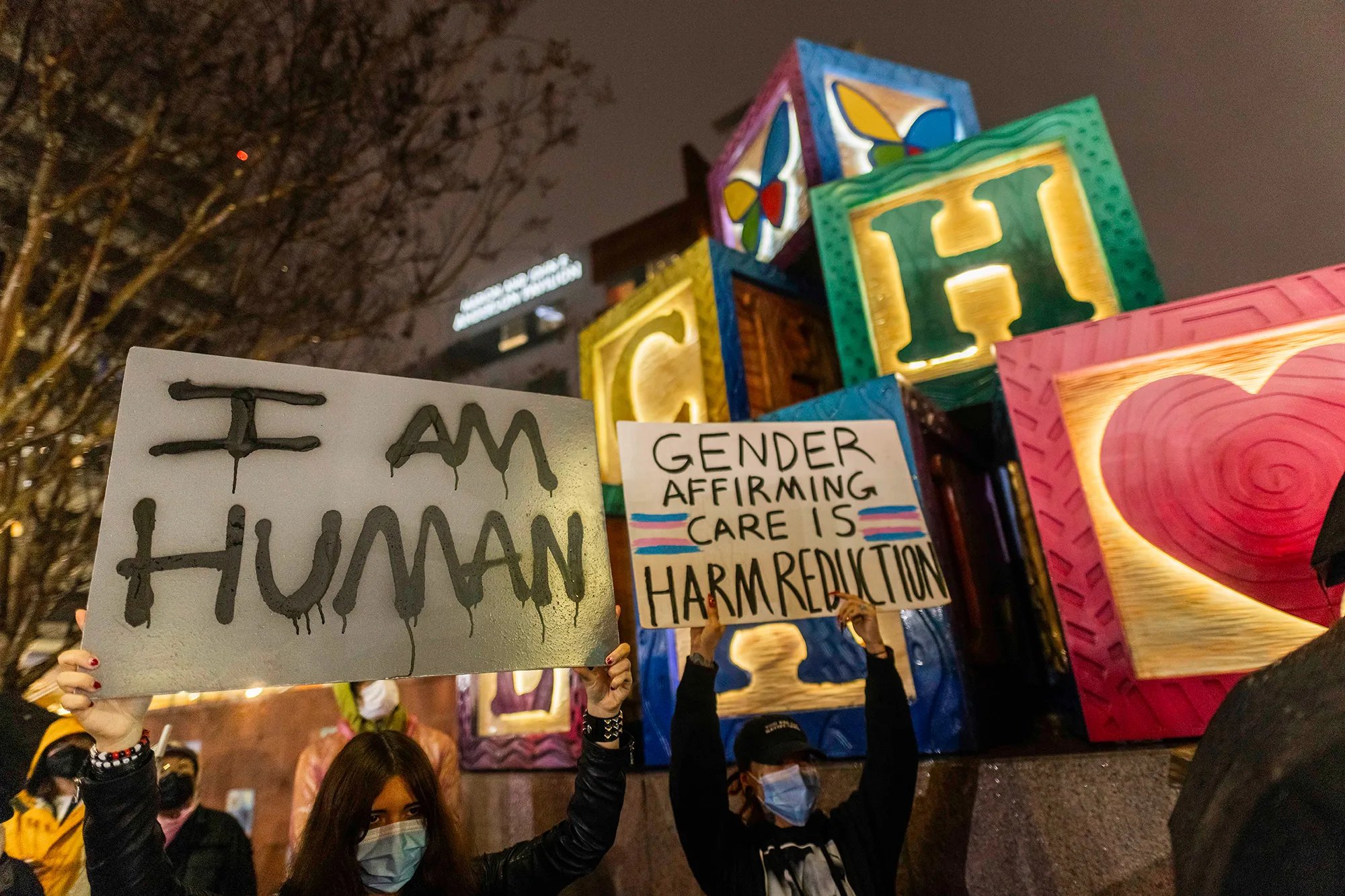
The Trump administration has also cracked down on diversity, equity and inclusion initiatives and prioritized investigating schools that allow transgender athletes to compete in women's sports, marking a significant shift in how civil rights law is applied in education.