




The Record-Breaking Debut
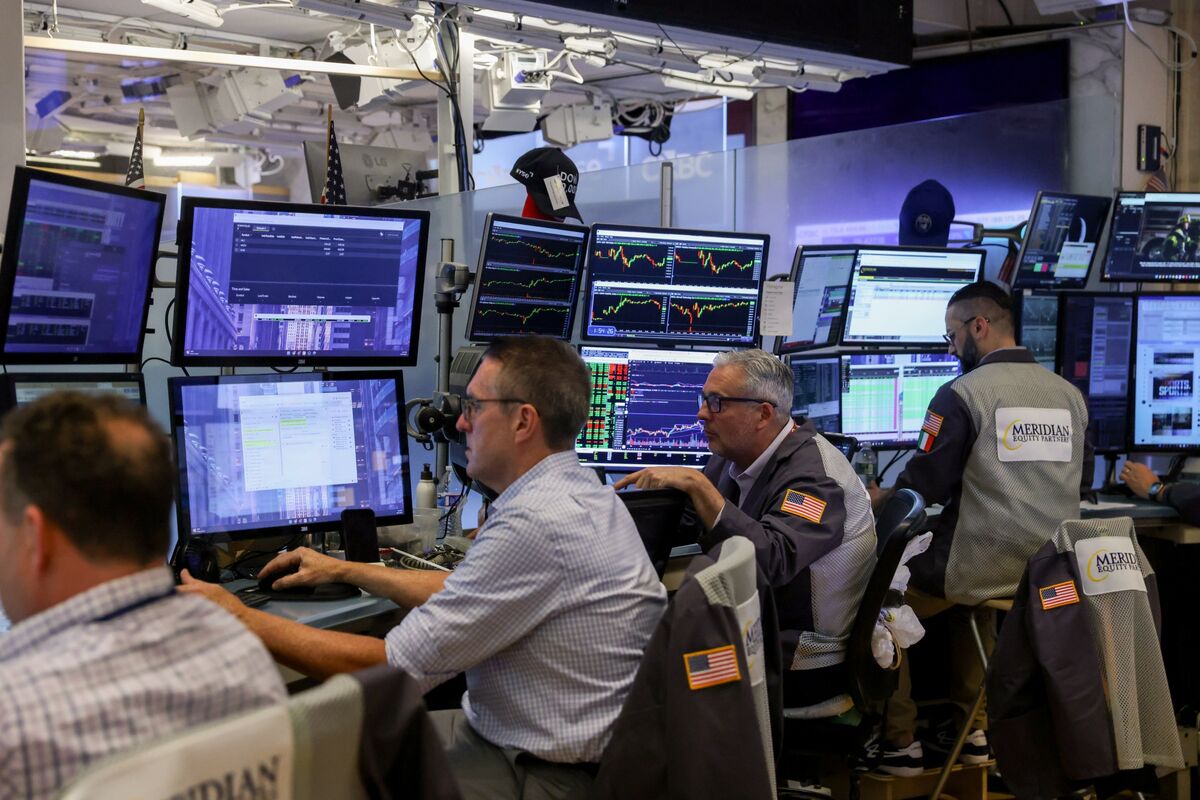
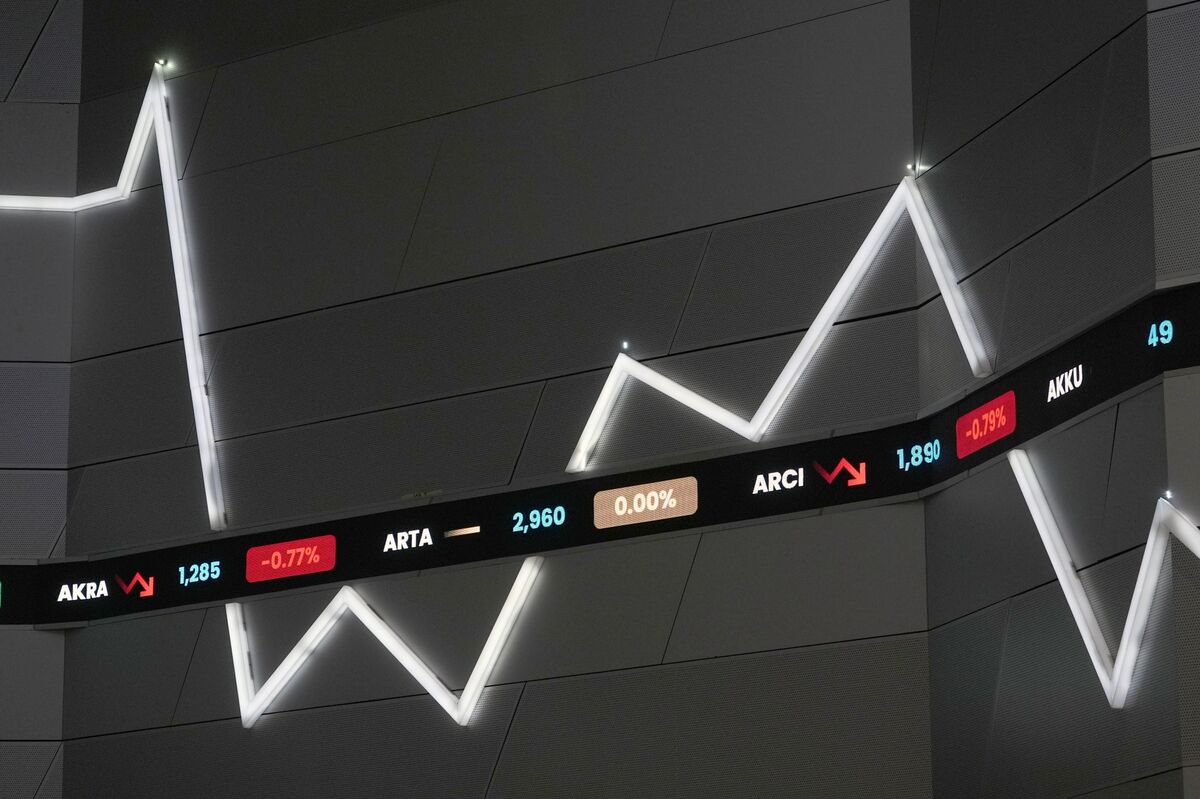
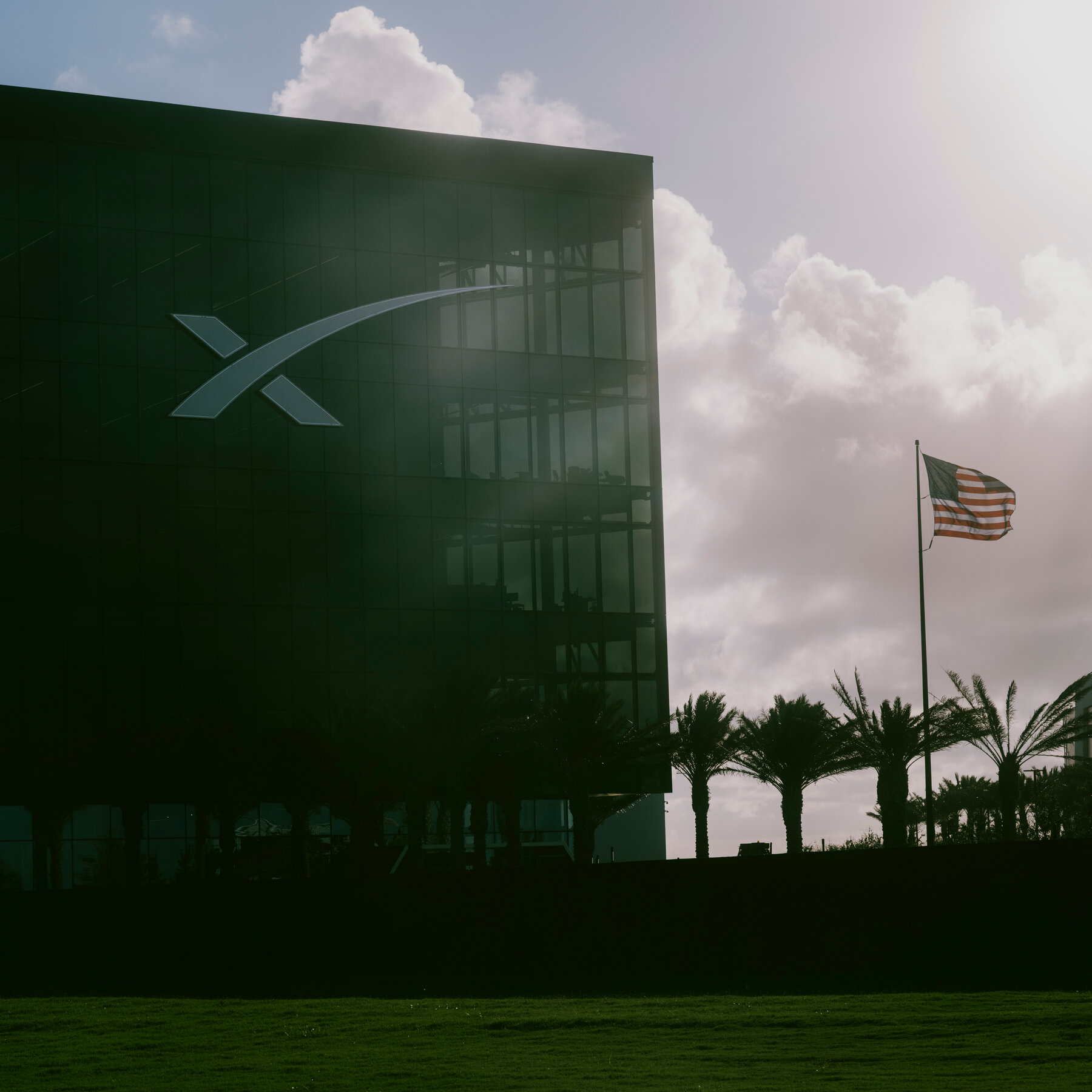
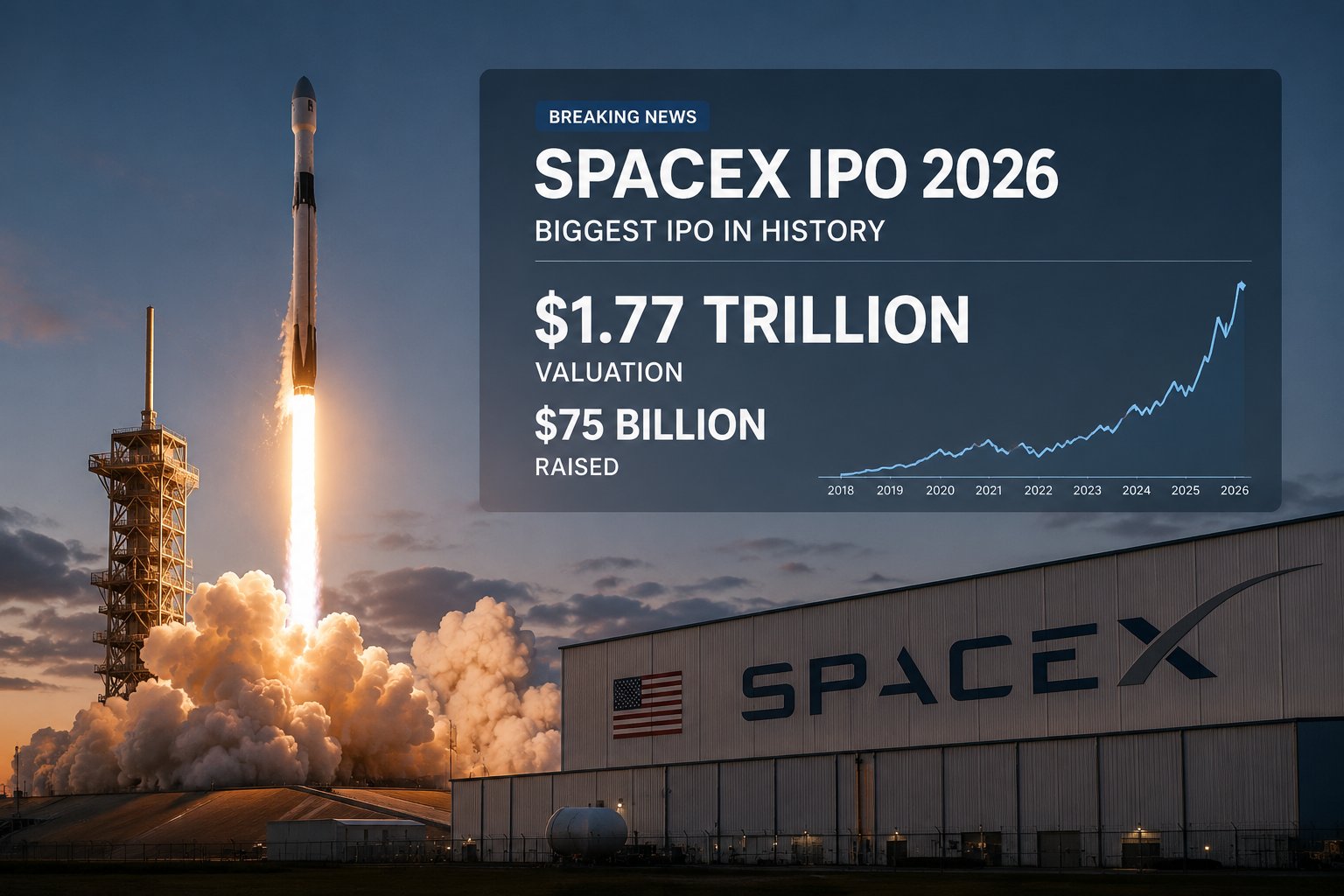
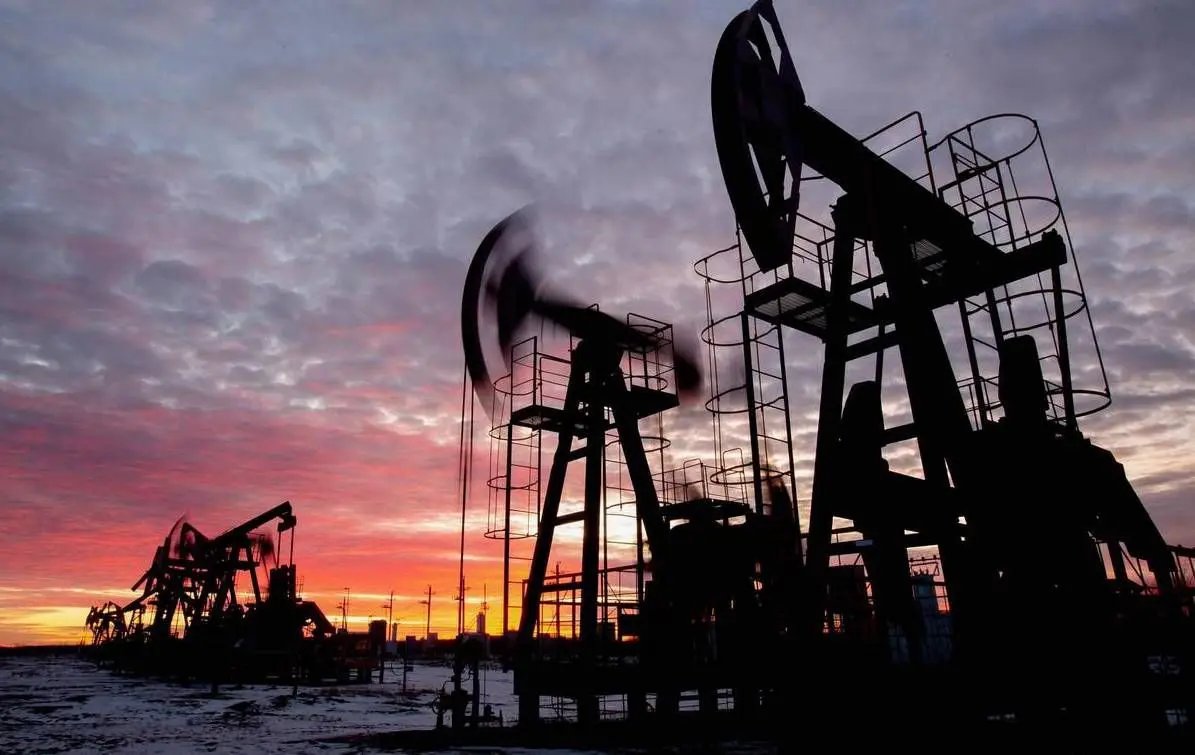
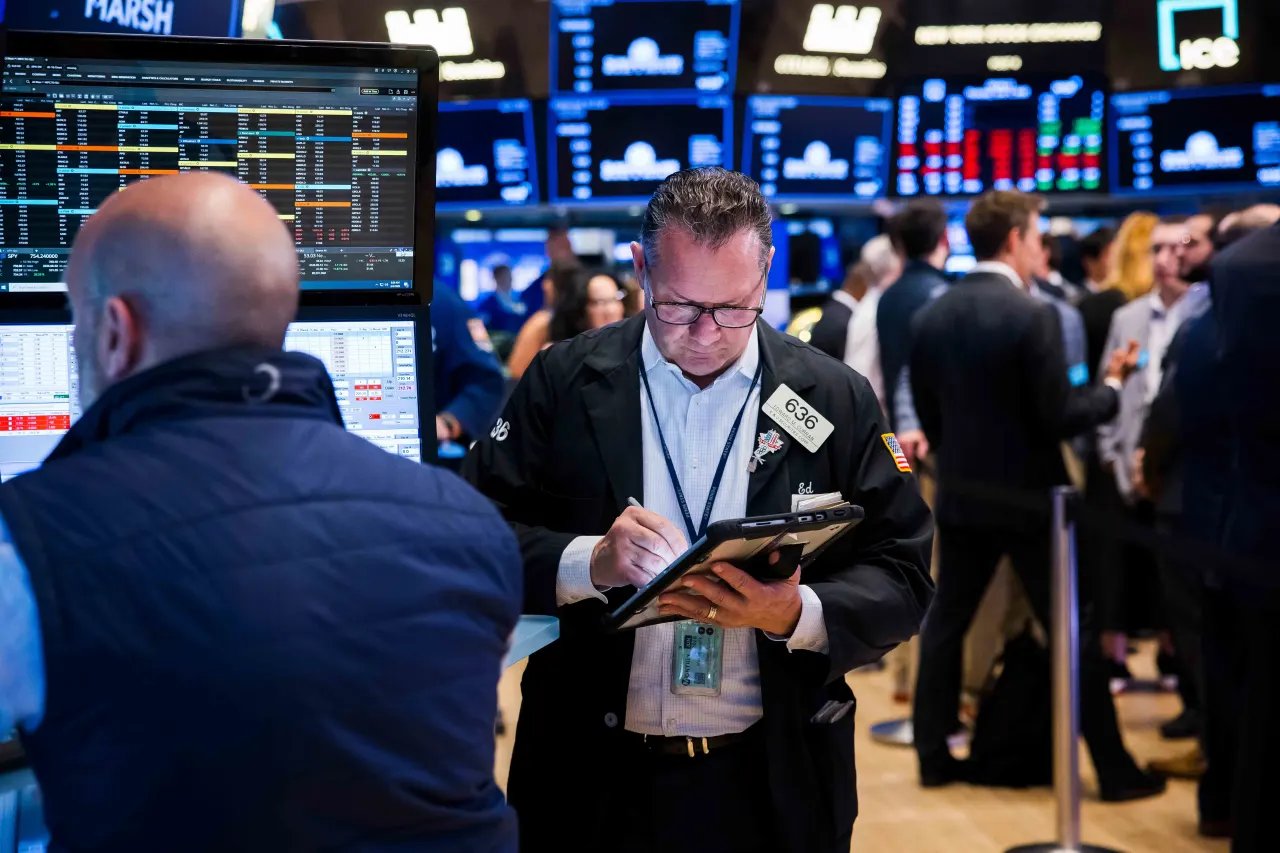
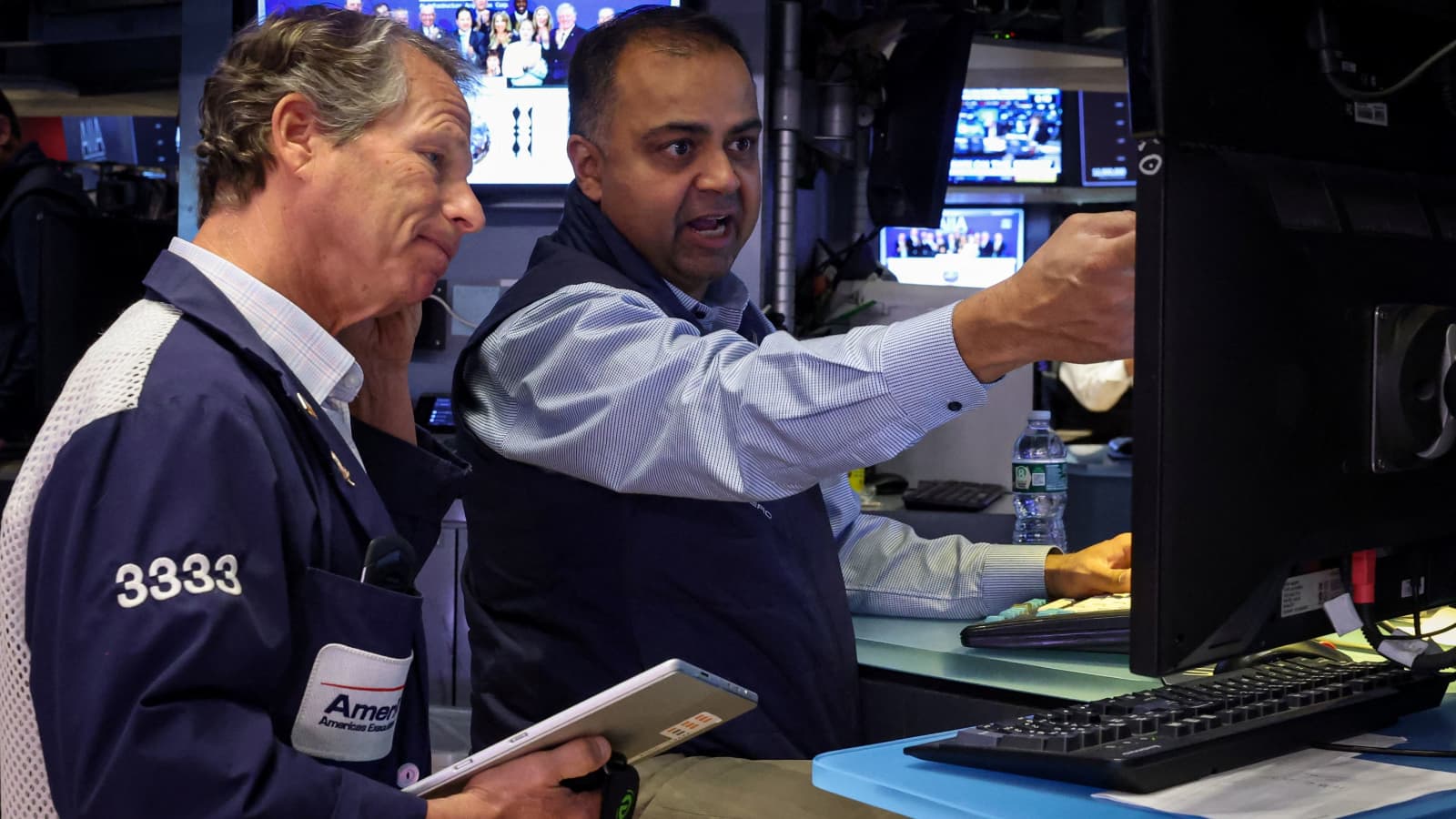
SpaceX raised $75 billion in the largest initial public offering in history, pricing 555.56 million shares at $135 each before trading began Friday on the Nasdaq under the ticker SPCX. Shares opened at $150, an 11 percent jump from the IPO price, then climbed as high as $175.50 in early afternoon trading, a 30 percent gain that briefly valued the company at $2.25 trillion. The offering surpassed the previous record held by Saudi Aramco, which raised nearly $26 billion when it went public in 2019.
SpaceX's strong debut lifted the company ahead of Meta Platforms, Samsung, and Tesla in market value, though it still trails Nvidia, valued at roughly $5 trillion. The IPO price valued SpaceX at approximately $1.77 trillion, instantly making it one of the world's biggest listed companies on its first day.
Jay Ritter, an IPO expert and professor at the University of Florida's Warrington College of Business, told CBS News that the opening performance was "not a moonshot, but given the size of the deal, if the stock price holds, there will be more dollar value of early stock returns than any IPO in history." He noted the opening price was "disappointing relative to what betting markets had been predicting," yet still positive since trading exceeded the IPO sale price.
Musk Reaches Trillionaire Status
Elon Musk became the world's first trillionaire after SpaceX priced its shares at $135. Before the IPO, Musk was worth an estimated $813 billion, more than twice the wealth of Google co-founder Larry Page, valued at $288 billion. The IPO boosted Musk's fortune to just over $1 trillion, and at Friday's intraday high of $168.75, his net worth reached roughly $1.18 trillion.
Musk owns 4.8 billion shares of SpaceX, representing about 42 percent of the company, plus 350 million stock options exercisable at $8.39 per share. At the IPO price, his stake is worth $648 billion, with options adding another $44.3 billion. Forbes had valued his pre-IPO SpaceX stake at $500 billion, meaning the offering increased that position's value by $192.3 billion.
That wealth makes Musk richer than the bottom 46 percent of the world's population, or 3.8 billion people, according to Oxfam. Only 19 countries have GDPs exceeding $1 trillion, ranging from the United States to the Netherlands, according to World Bank data. Oxfam America senior director of economic justice Nabil Ahmed said Musk's rise to trillionaire status "marks a new pinnacle of oligarchy," representing a "new Gilded Age" of wealth inequality.
Employee Fortunes Transform
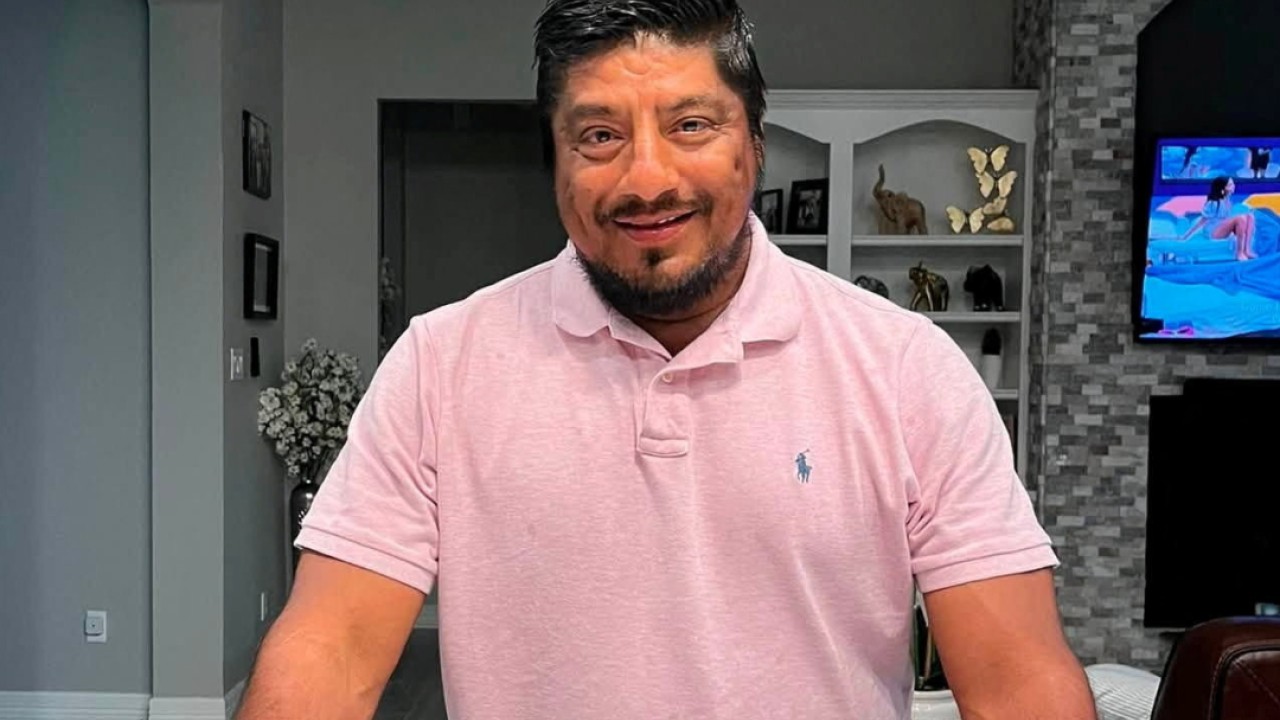
About 4,400 SpaceX workers could become millionaires with the IPO, though Musk is the biggest beneficiary given his large stake. Juan Hernandez, a former SpaceX welder hired in 2015, holds around 6,500 shares. If those trade at the offering price of $135, his wealth could increase by nearly $880,000, though Friday's trading likely made him more.
Hernandez said SpaceX offered him $10,000 worth of stock when he joined, an offer he did not initially value highly. "It wasn't a big deal. I didn't know anything about it then," he told CBS News. "I didn't know it was gonna be this big, at this point." During his ten-year tenure, Hernandez worked as a welder preparing rockets for launch before rising to supervisor. He said offering employees stock helps them perform better because "it is, it's their company as well."
Even with his newfound wealth, Hernandez plans to keep working and pass investment lessons to his three children. His 16-year-old daughter already owns stakes in Meta and other companies. If given the chance to speak with Musk, Hernandez said he would thank him for "making all these lives much better and meaningful for their families as well."
Valuation Questions and Profitability Concerns
SpaceX's stratospheric valuation faces skepticism from analysts. The company reported a net loss of $4.3 billion in the first quarter of this year and generated $18.7 billion in revenue last year, far below tech giants like Alphabet, which posted $400 billion in 2025 sales. Morningstar valued SpaceX at just $780 billion using a discounted cash flow model, a widely used approach to assessing company value.
Morningstar analysts Nicolas Owens and Suryansh Sharma wrote that uncertainty is "very high" regarding SpaceX's business and its governance profile under Musk, who also runs Tesla and other companies. "The company faces substantial risks related to strategic execution, technological evolution, market dynamics, regulations, AI buildout, and key-person dependency," they wrote earlier this month.
Matthew Kennedy, a senior market strategist at Renaissance Capital, acknowledged the valuation gap. "I can see the argument for why this company should deserve a lower valuation," he said. "At the same time, it is true that some stocks are expensive and stay expensive." A Truist analysis of 30 sizable technology IPOs found that more than half posted negative returns a year after shares began trading.
AI and Expansion Plans
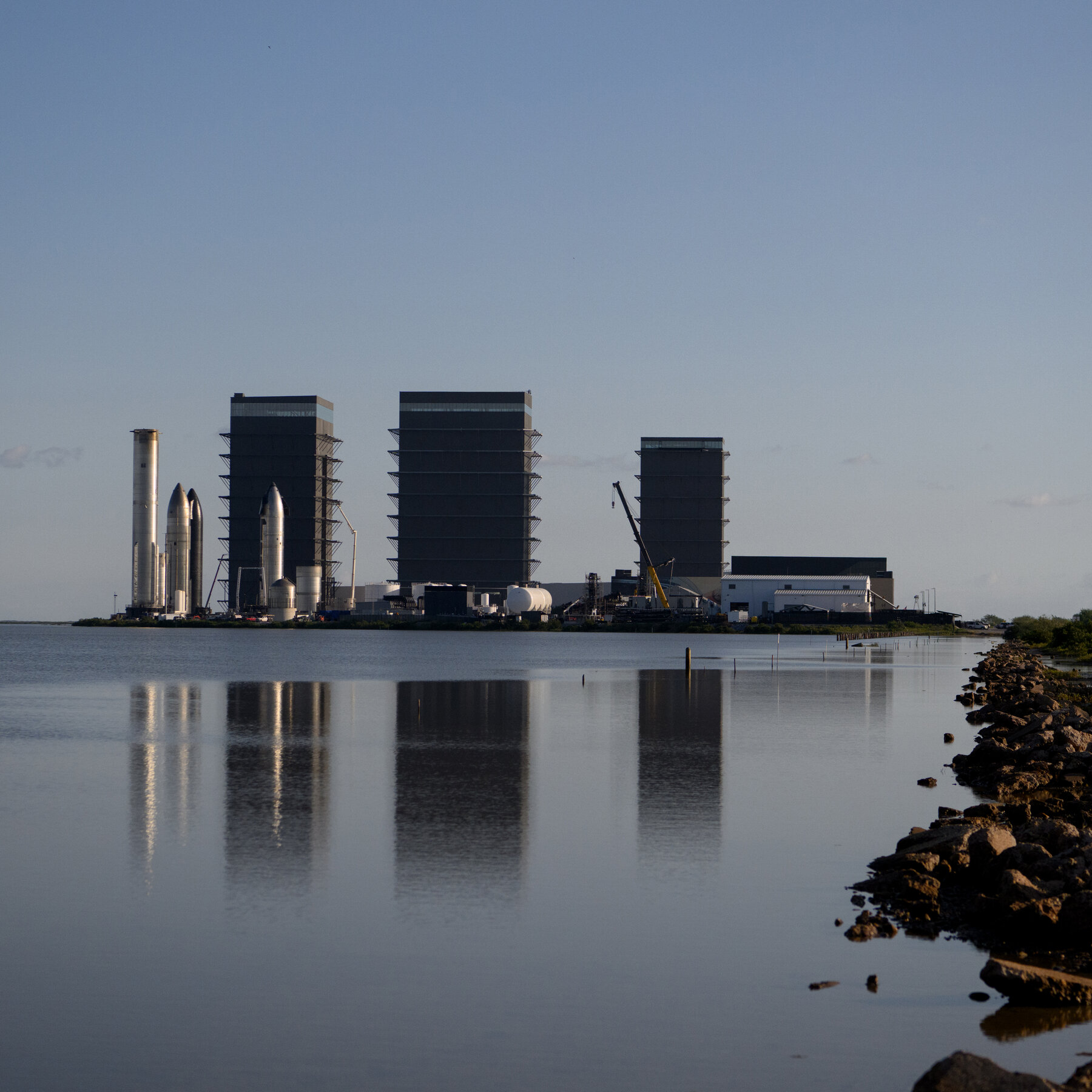
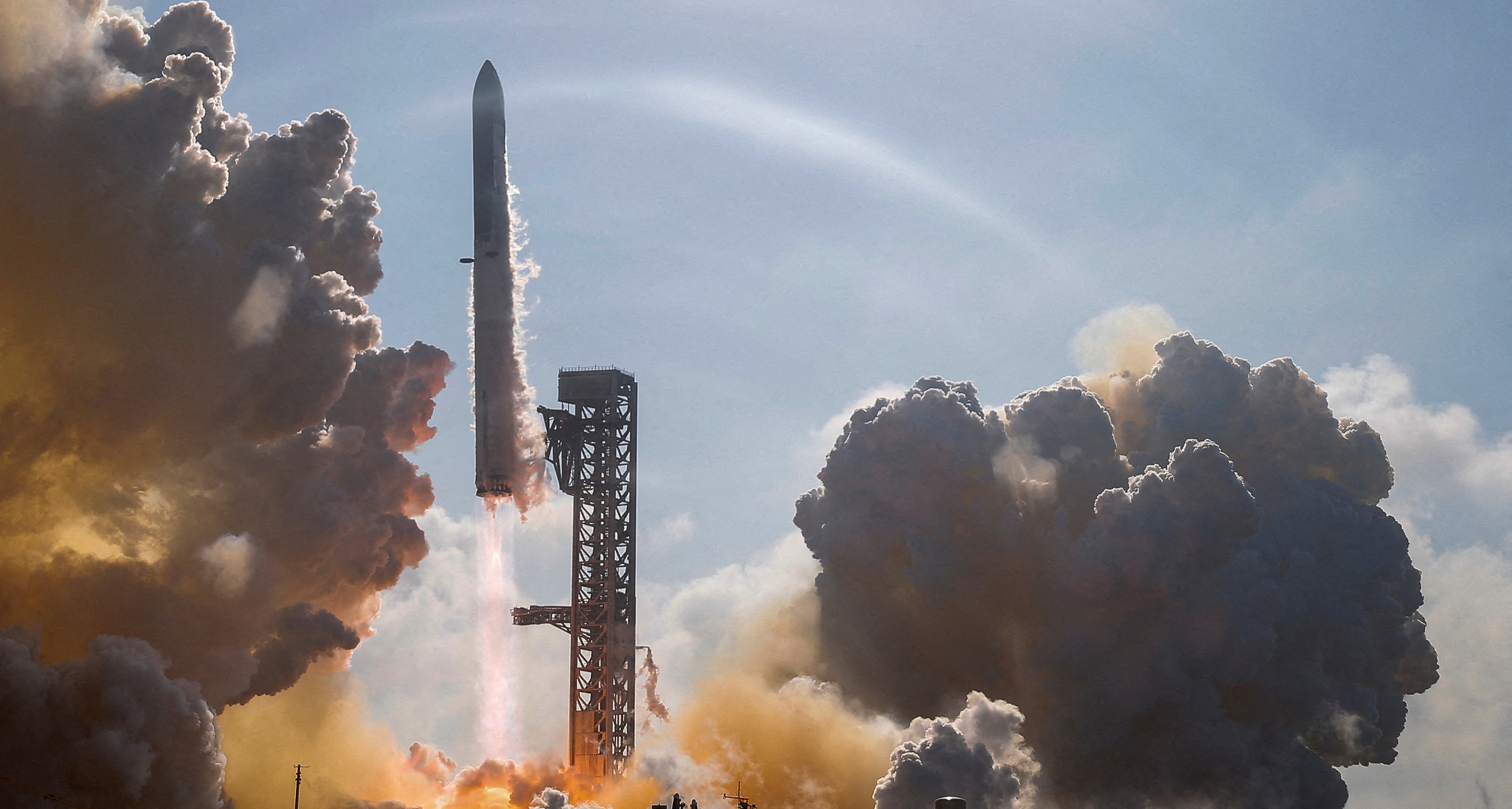
SpaceX plans to use IPO proceeds to expand its flagship rocket and satellite communications businesses while doubling down on artificial intelligence. The company acquired Musk's AI startup xAI in February and has plans to expand data centers on Earth, develop AI microchips, and launch "orbital AI compute infrastructure" — data centers in space. SpaceX said it sees a market opportunity exceeding $28 trillion across its operating industries, with 90 percent attributed to xAI alone.
SpaceX Chief Operating Officer Gwynne Shotwell dismissed skeptics in a Friday morning CNBC interview. "Look at our track record, look at our history," she said. "We do really difficult things." She cautioned that SpaceX operates for the long term rather than quarterly earnings reports. "I do not want to focus on quarterly earnings," Shotwell said. "What folks who invest in SpaceX need to know is that what we're doing is very futuristic."
Musk struck an optimistic tone before trading opened, saying the company wants "to be able to take anyone who wants to go to the moon, anyone who wants to go to Mars, or anywhere in the solar system." He said he was "confident" SpaceX "will do that," adding that he had given the company "a less than 10% chance of succeeding at all" when he founded it in 2002.
First of Three Major AI IPOs
SpaceX is the first of three major AI-related IPOs expected this year. OpenAI, maker of ChatGPT, and Anthropic, creator of Claude AI models, have both filed preliminary paperwork with the Securities and Exchange Commission signaling intent to list shares, with analysts predicting offerings could happen this fall.
All three companies are massive, but big question marks hang over future profitability. To date, they have burned cash developing artificial intelligence and subsidizing usership. Songyee Yoon, managing partner at Principal Venture Partners, a fund that focuses on AI, cautioned that this is a novel technology and it remains unclear which companies will develop the most commercial and useful models. "The introduction of such a new technology comes with a lot of kind of frothy valuation and hype," she said.
Goldman Sachs President John Waldron said the SpaceX IPO signals that capital markets are willing to finance the AI infrastructure build. "It shows you that the capital markets — led by the U.S. capital markets, but the global capital markets — are demonstrating a willingness to finance this AI infrastructure build and this build in space," he told Bloomberg Television.