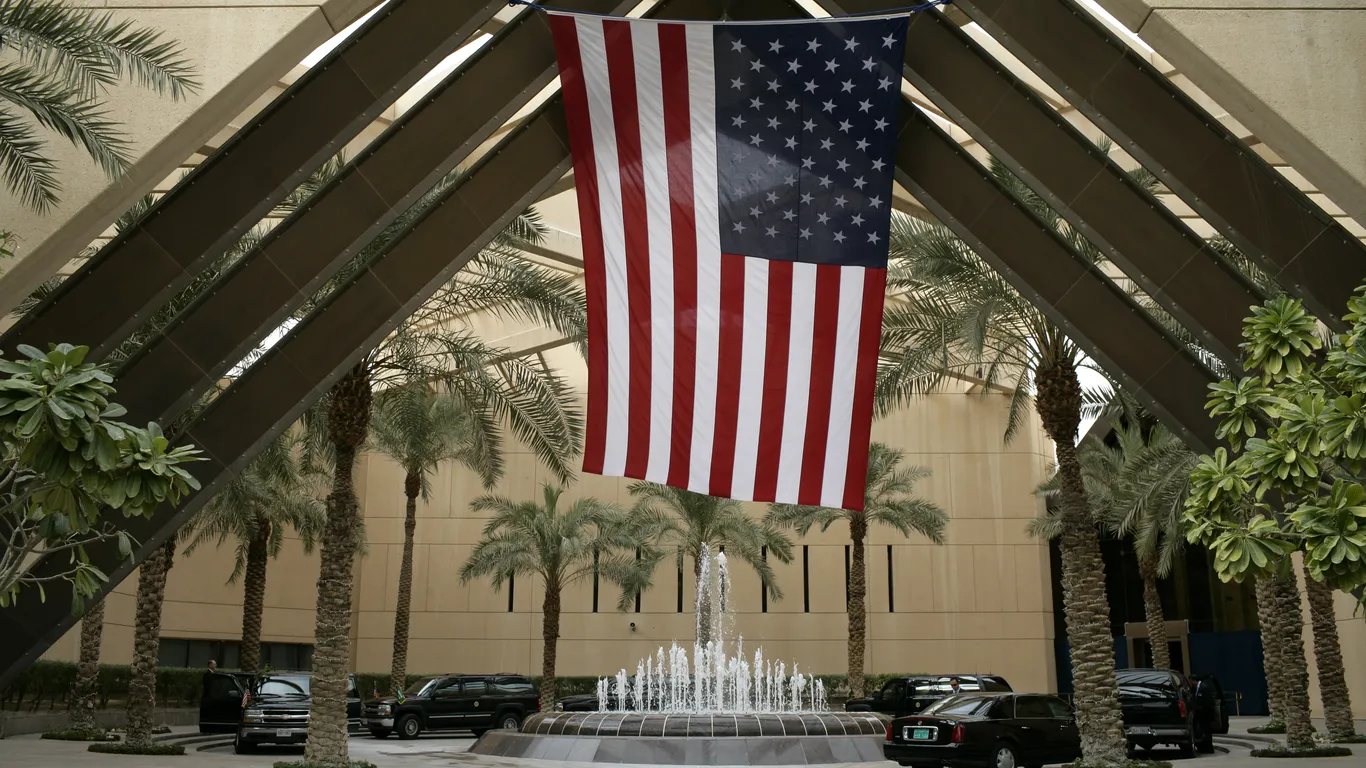
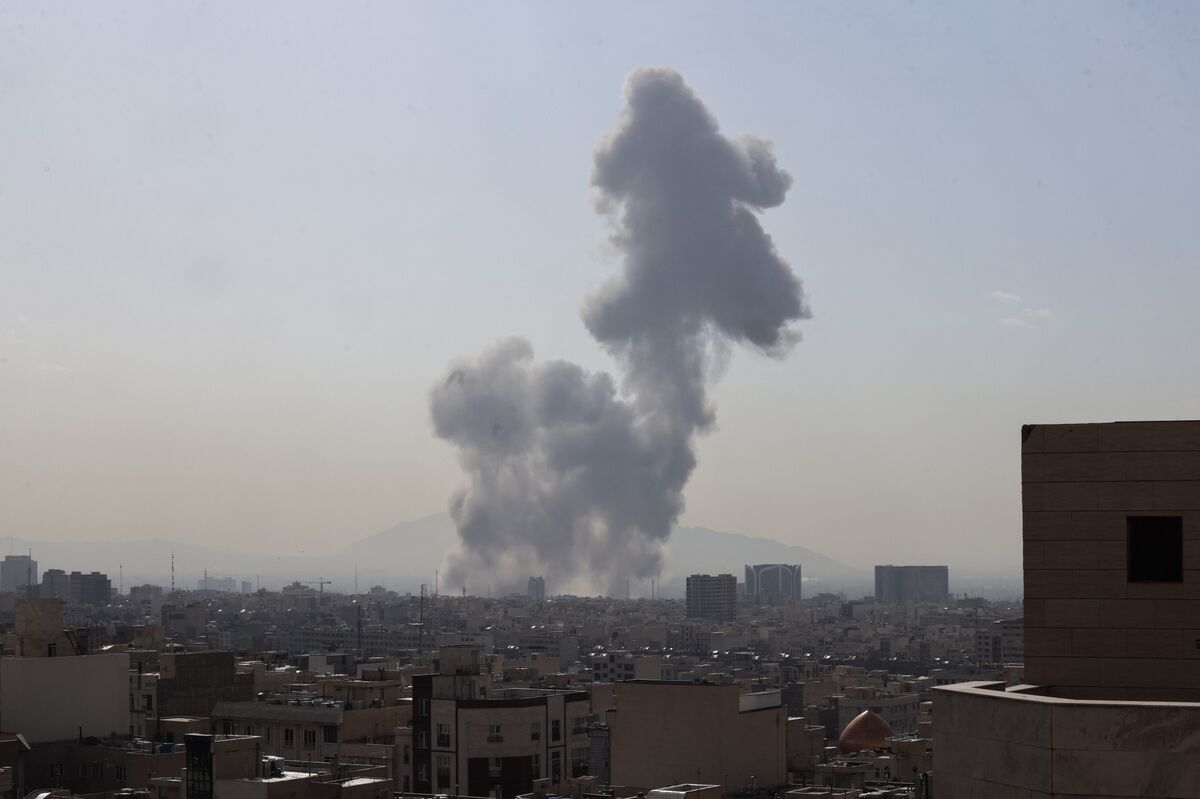
On Monday, the U.S. Embassy in Riyadh was struck by two drones, leading to a small fire and minor damage, according to Saudi Arabia's Ministry of Defense. This incident is part of the ongoing tensions between the U.S. and Iran, amid conflicting claims about who initiated hostilities. The attack prompted the U.S. Mission to Saudi Arabia to issue a "shelter in place" alert for American citizens in Riyadh, Jeddah, and Dhahran.
In response to the drone strike, the U.S. Mission to Saudi Arabia has restricted non-essential travel to military installations in the region. Mora Namdar, the assistant secretary of state for consular affairs, advised Americans to "DEPART NOW" from Israel, Bahrain, Egypt, Iraq, UAE, Saudi Arabia, Kuwait, Lebanon, Qatar, Oman, Syria, Yemen, and Jordan, citing serious safety risks.
President Trump has vowed to respond to the attack. Trump claimed that this shows Iranian aggression threatening U.S. interests and regional allies. Iran has characterized its strikes as responses to American and Israeli military action. The administration's vow to retaliate comes as both nations trade accusations about who initiated the current round of hostilities.
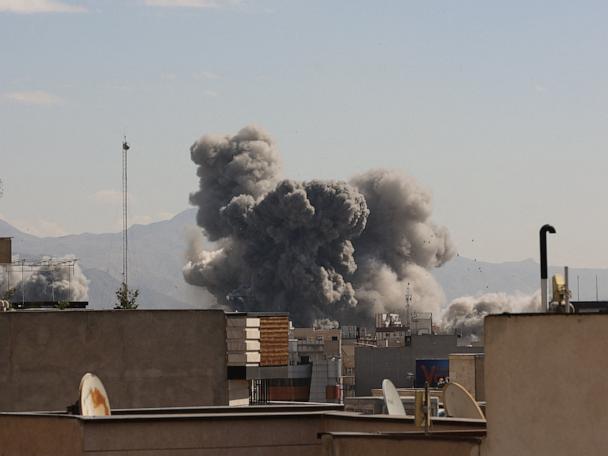
This drone attack is part of an escalating conflict primarily between the U.S. and Iran. The Iranian Revolutionary Guard Corps announced the closure of the Strait of Hormuz, a critical maritime passage for global oil shipments, citing the military escalation as justification. The attack is part of a series of military exchanges in the past 72 hours, with American and Israeli forces striking Iranian targets and Iran responding with strikes across the Gulf region.
President Trump vowed swift retaliation, though no specific timeline or response has been announced. The U.S. State Department has advised American citizens to depart the region immediately and shelter in place pending further guidance. The drone strike underscores the fragile security landscape in the Middle East and the direct threats facing U.S. diplomatic missions abroad.
On Monday, the U.S. Embassy in Riyadh was struck by two drones, leading to a small fire and minor damage, according to Saudi Arabia’s Ministry of Defense. This incident marks a significant escalation in the ongoing tensions between the U.S. and Iran, particularly following recent airstrikes by American and Israeli forces on Iranian targets. The attack prompted the U.S. Mission to Saudi Arabia to issue a "shelter in place" alert for American citizens in Riyadh, Jeddah, and Dhahran.
In response to the drone strike, the U.S. embassy has restricted non-essential travel to military installations in the region. American citizens currently in Saudi Arabia are urged to remain indoors for their safety. Additionally, Mora Namdar, the assistant secretary of state for consular affairs, advised Americans to "DEPART NOW" from several countries in the Middle East, citing serious safety risks.
President Trump has vowed a swift and strong response to the attack. His administration views this incident as part of a broader Iranian aggression that threatens U.S. interests and allies in the region. Trump’s commitment to retaliate underscores the heightened stakes for Americans in the Middle East, as the drone attack follows a series of Iranian counterstrikes against U.S. military positions and allies.
This drone attack is not an isolated incident but part of a rapidly escalating conflict involving Iran and its regional adversaries. The Iranian Revolutionary Guard Corps recently announced the closure of the Strait of Hormuz, a critical maritime passage for global oil shipments. As tensions rise, the implications for U.S. foreign policy in the Middle East are significant, potentially reshaping diplomatic and military strategies in the region.
The U.S. continues to monitor the situation closely, with military and diplomatic responses likely in the coming days. For American citizens in the region, the next steps include adhering to safety advisories and preparing for possible further escalations. The drone strike underscores the fragile security landscape in the Middle East and the direct threats facing U.S. diplomatic missions abroad.
Highlighted text was flagged by the council. Tap to see feedback.