






Rising Costs at the Pump
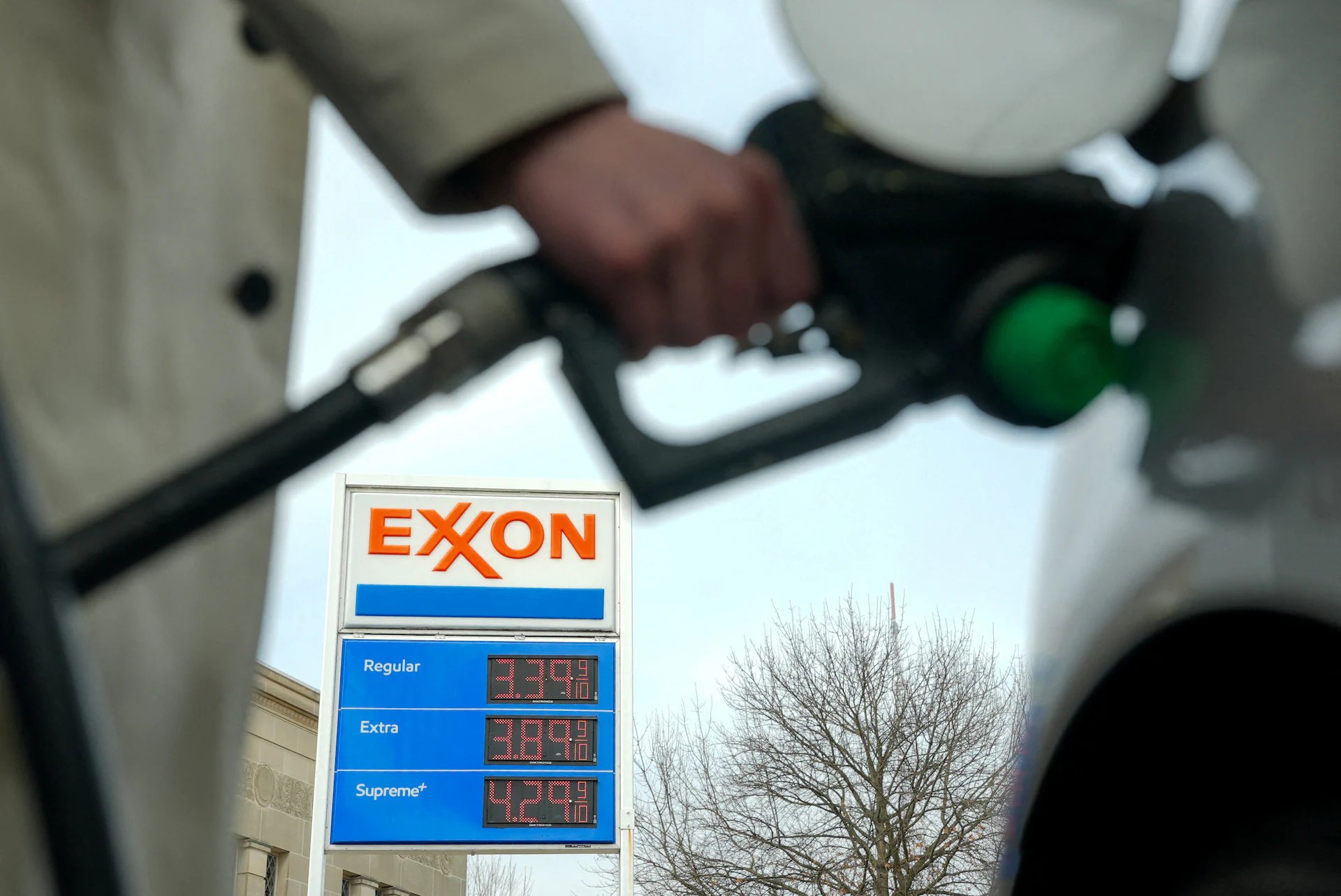
U.S. gas prices have reached their highest point since September 2023, with the average cost of a gallon of regular gasoline hitting $3.84 on Wednesday. AAA reported the increase amid the ongoing conflict involving the U.S., Israel, and Iran. A month ago, drivers paid $2.92 per gallon. Diesel prices are also surging, topping $5 a gallon on Tuesday for the first time since 2022.
Global Oil Market Impact
An Israeli strike on Iran's South Pars gasfield on March 18 prompted Iranian threats to attack oil and gas facilities in Qatar, Saudi Arabia and the United Arab Emirates, further pushing crude prices up. A barrel of Brent crude has risen from approximately $70 before the U.S. and Israeli attacks on Iran began on February 28, to as high as $111.45 on Wednesday. The price for a barrel of benchmark U.S. crude rose to $99.24. The war constricts global oil supplies. Diesel now tops $6 a gallon in California, Hawaii and Washington.
Strait of Hormuz Closure
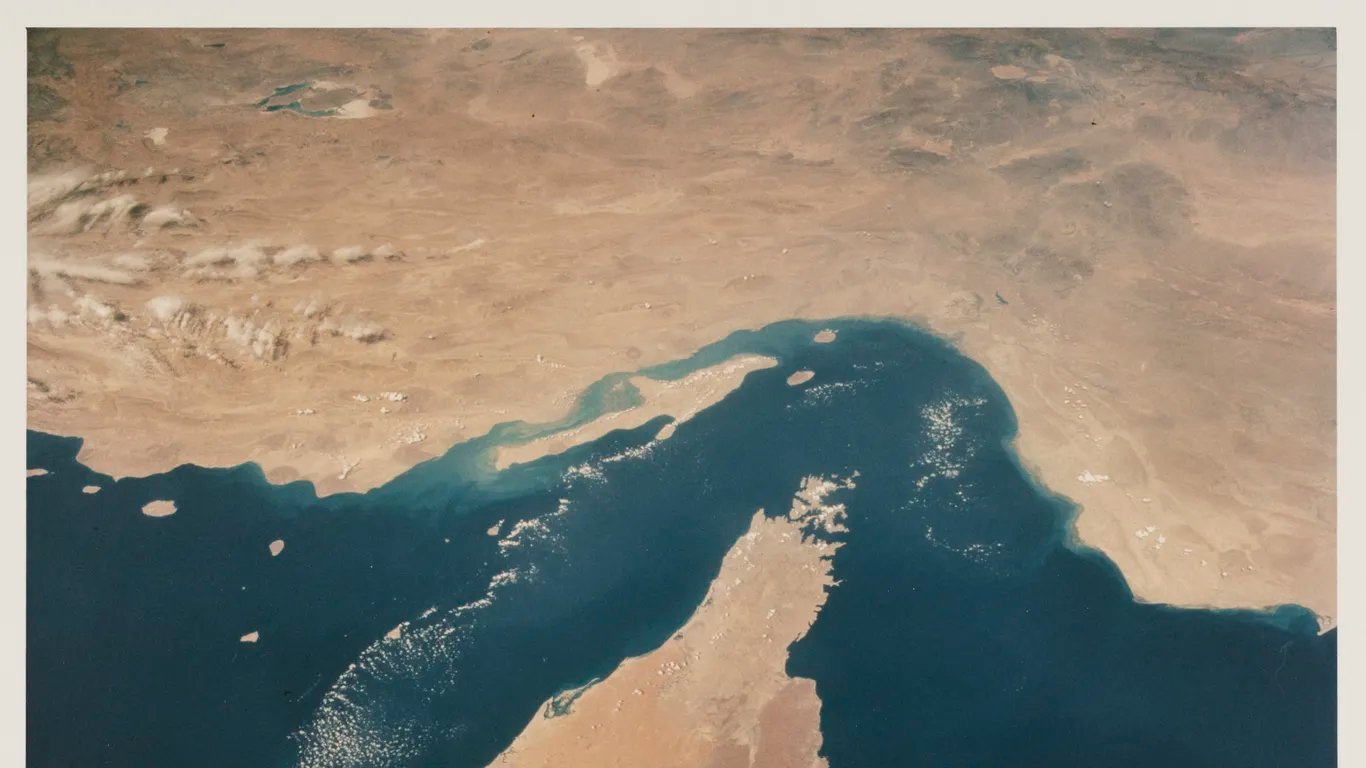
Wood Mackenzie analysts said last week that Brent could soon hit $150 and that $200 was not "outside the realms of possibility" in 2026. However, Sasha Foss, an energy market analyst at Marex, called the prospect of $200 Brent "pretty outlandish." The Strait of Hormuz is a crucial conduit for about one-fifth of global oil supplies during peacetime. After Iran declared the strait closed early in the conflict, traffic has all but stopped. Only a handful of ships—mostly Indian, Pakistani, Turkish and Chinese-flagged vessels—have been allowed to pass in recent days after Iran declared the strait closed.
Economic Consequences
The International Monetary Fund estimates that every 10 percent rise in oil prices, sustained over a year, would correspond with a 0.4 percent increase in global inflation and a 0.15 percent reduction in economic growth. The highest Brent crude has ever reached is $147.50 per barrel, at the height of the global financial crisis in 2008. In today's dollars, the all-time peak equates to about $224. Adi Imsirovic, an energy expert at the University of Oxford, said that oil at $200 a barrel "would be a major handbrake to the world economy".
Political Fallout
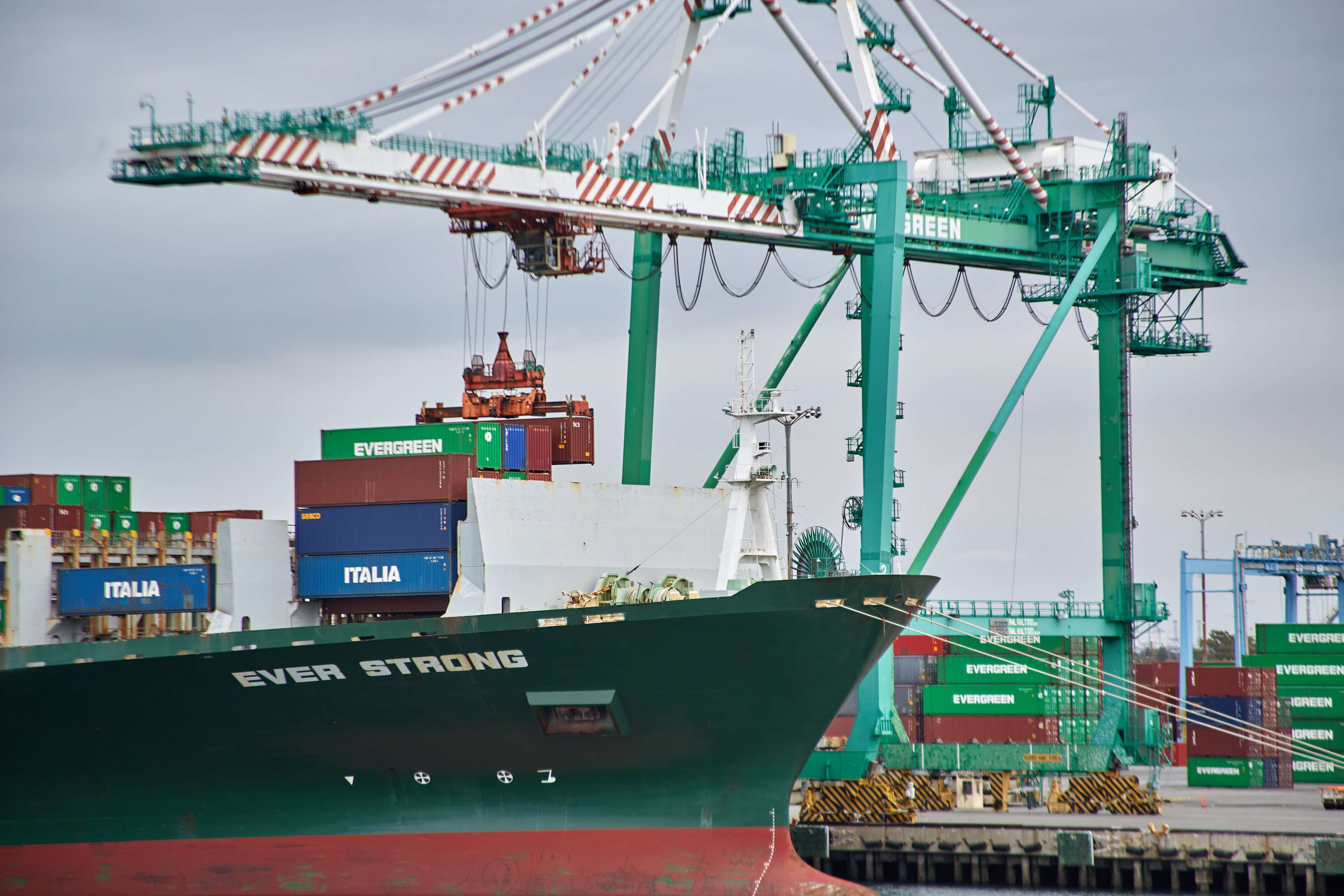
Vice President Vance referred to high gas prices as "a temporary blip" during remarks Wednesday in Michigan. President Trump issued a 60-day waiver of the Jones Act, a law that requires goods shipped between American ports to be carried on ships that are U.S.-built, -flagged and -crewed. Patrick De Haan, a petroleum expert at GasBuddy, called the measure a "band-aid" solution that was unlikely to sharply reduce gas prices.
Airline Industry Impact
Delta's chief executive Ed Bastian said yesterday that fuel costs will add $400 million to Delta's costs for the month of March alone. Those costs will be passed on to consumers in the form of higher ticket prices.
Market Reactions
Japanese stocks slumped as oil prices surged following renewed attacks on energy infrastructure in the Middle East. The Nikkei 225 Stock Average declined as much as 3% to 53,578.31. Emerging market equities and currencies also fell for the first time this week.
Potential for Further Increases
Vandana Hari, the founder of oil market analysis provider Vanda Insights, said benchmark Middle Eastern crudes like Oman and Dubai have already crossed the $150 threshold, so $200 is already within sight, even if not for Brent and West Texas Intermediate. Singapore-based OCBC Group Research estimates that the global market is facing a daily shortfall of about 10 million barrels even when the reserves are taken into account.
The sources also report that diesel prices now exceed $6 a gallon specifically in California, Hawaii, and Washington.