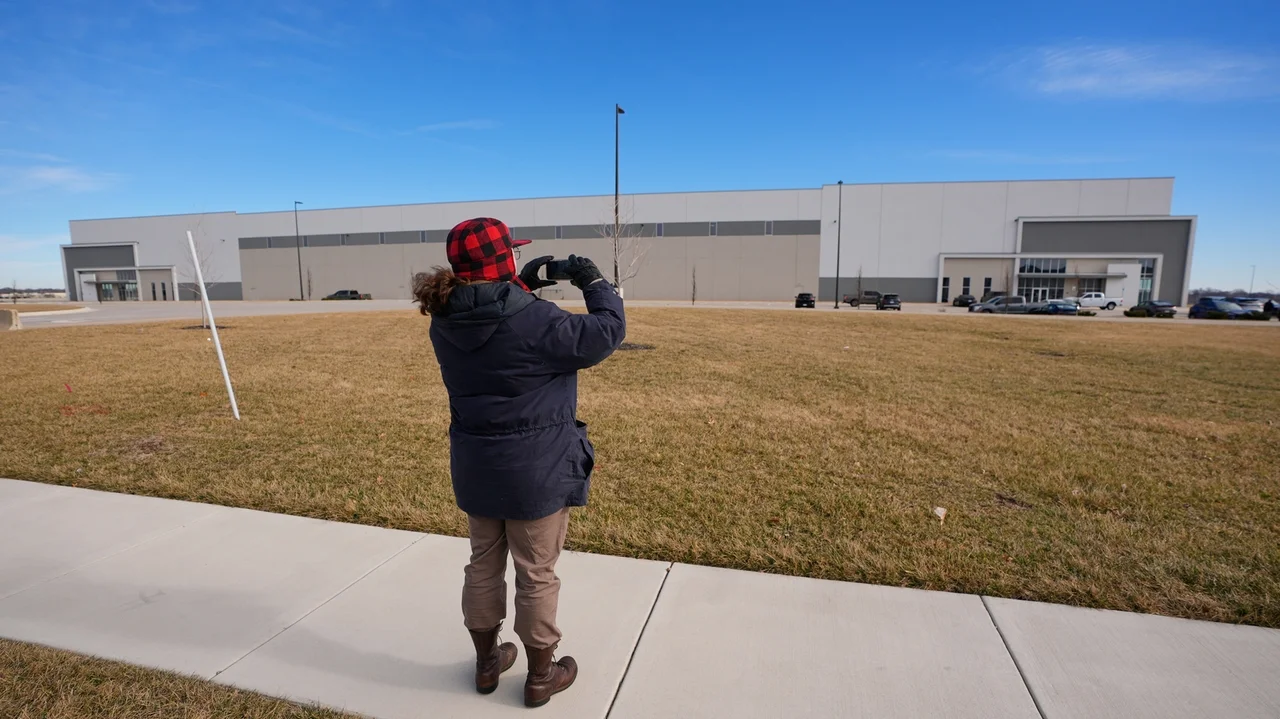
ICE is converting industrial warehouses into immigration detention centers across the United States, with spending reaching into the billions. According to PBS NewsHour, the agency has been quietly purchasing warehouses around the country with reported plans to convert them into detention facilities. The conversions have generated discussion about potential local impacts, including questions about community effects and federal spending priorities.
ICE has been purchasing industrial warehouses across the United States to transform them into immigration processing and holding centers. The agency aims to accommodate tens of thousands of detainees in these new sites. PBS NewsHour reports the spending reaches into the billions, though specific figures have not been disclosed. The conversions cover purchases, renovations, and operations.
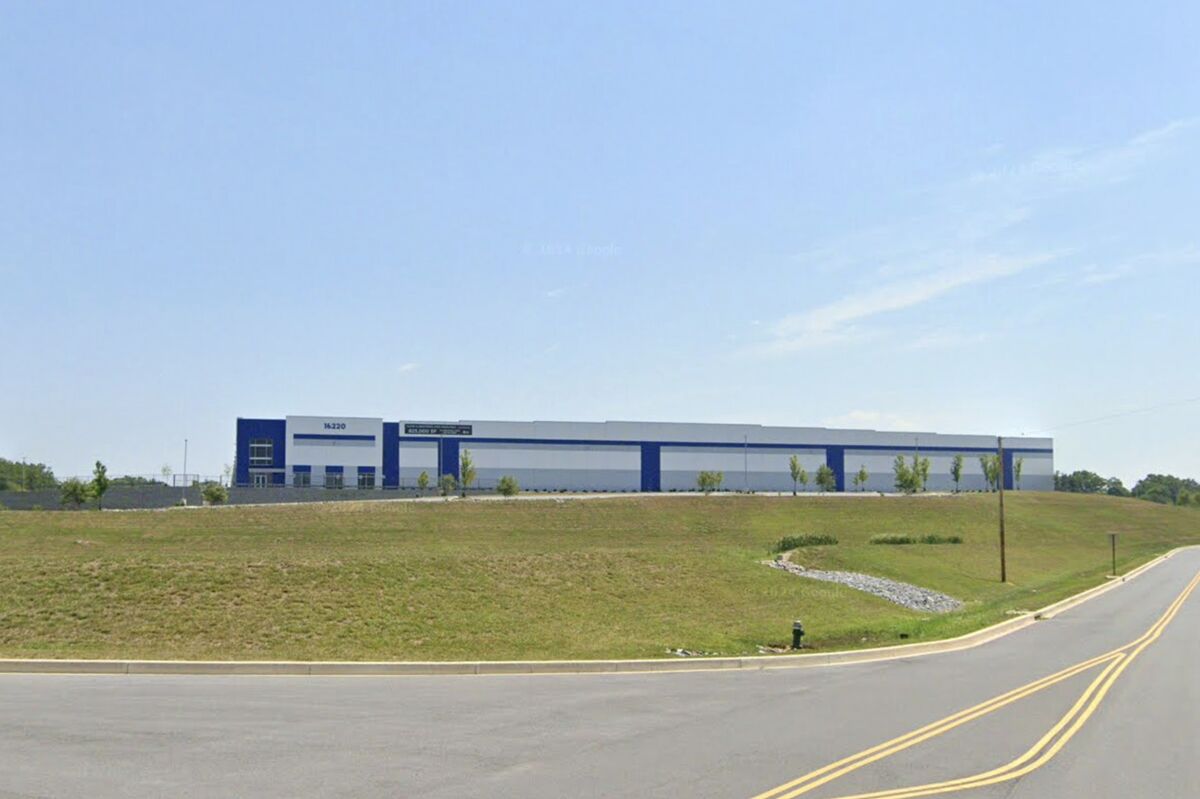
In a Maryland community being converted, residents have expressed concerns about increased traffic and security presence, though specific documented impacts remain unclear. Local leaders have raised concerns about potential strain on public services, though the actual impact remains to be determined. Some advocates have raised concerns about conditions in existing detention centers, though whether similar issues would occur in new facilities is unclear.
The federal spending on these facilities raises questions about budget priorities and resource allocation. The warehouse conversions have generated discussion about potential local impacts, including questions about community effects and federal spending priorities. For migrants held in this system, conditions in existing detention centers have been documented in reports citing overcrowding and inadequate care.
Future oversight of the program may depend on congressional action and community input on the expansion. Some communities across the United States may be affected by ICE's warehouse conversion plans.
Your town could soon house a sprawling detention center, as ICE pours billions of dollars into converting ordinary warehouses into facilities for tens of thousands of migrants. This quiet expansion disrupts local neighborhoods, turning quiet industrial zones into flashpoints of protest and raising questions about community safety and taxpayer funds.
ICE has spent months snapping up industrial warehouses across the United States, transforming them into a network of immigration processing and holding centers. The agency aims to accommodate tens of thousands of detainees in these new sites, with spending reaching into the billions to cover purchases, renovations, and operations. Workers in these warehouses, once focused on storage and logistics, now face new roles in security and oversight, a change that accelerates the facilities' shift from commerce to confinement.
In a small Maryland town, residents are already feeling the weight of this expansion as a local warehouse undergoes conversion. Families living nearby report increased traffic, security patrols, and fears of crime linked to the site's new purpose. Local leaders, including school officials and business owners, worry about the strain on public services, such as schools and emergency responders, that must now support a sudden influx of detainees and staff.
These warehouse turnarounds aren't just local issues—they pull from federal budgets that fund schools, roads, and healthcare in your area. With ICE's network growing nationwide, the conversions could lead to higher local taxes or reduced services as resources shift to detention needs. Advocates for migrants highlight the human cost, pointing to reports of overcrowding and inadequate care in existing centers, a pattern that might repeat in these new facilities.
For the thousands of migrants caught in this system, and the communities absorbing the changes, the next steps depend on ongoing oversight from federal agencies. Congress could demand transparency on the spending, giving residents a chance to voice their concerns before more warehouses vanish into the detention grid.
Highlighted text was flagged by the council. Tap to see feedback.