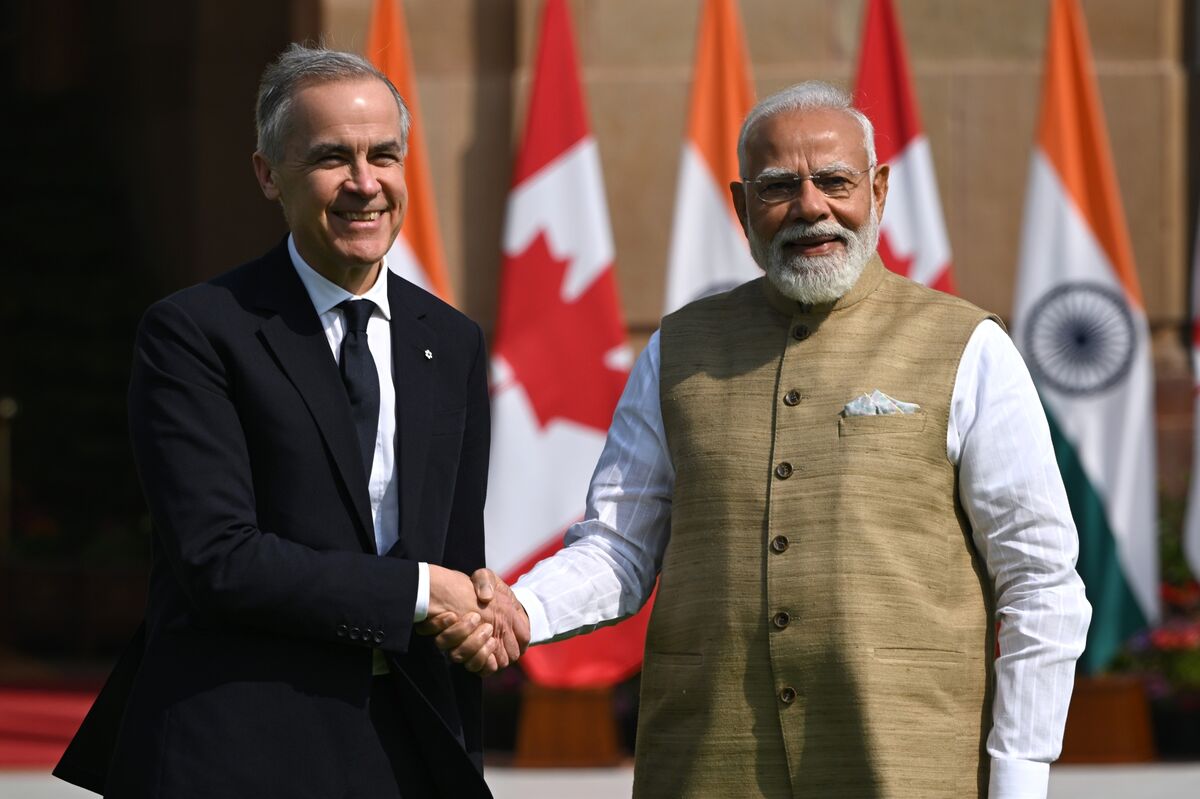
India and Canada are working to reshape their economic relationship. During Canadian Prime Minister Mark Carney's first official visit to New Delhi, the two nations announced a uranium supply deal worth $1.9 billion. This agreement is one piece of a broader strategy aimed at boosting bilateral trade to $50 billion by 2030.
The uranium deal, finalized by Canadian firm Cameco Corp., advances energy cooperation. This supply agreement is intended to support India's nuclear power development and strengthen Canada's position in global uranium supply. The deal reflects both nations' stated focus on energy security and economic cooperation.
The uranium pact is one element of the proposed Comprehensive Economic Partnership Agreement (CEPA). Leaders Modi and Carney discussed a CEPA, which aims to accelerate negotiations around trade, technology, and critical minerals. This framework is designed to address trade, technology, critical minerals, renewable energy, and defense cooperation. The discussions covered renewable energy cooperation, reflecting both nations' stated priorities.
Prime Minister Modi stated the agreements mark a "fresh start" in India-Canada relations, describing the relationship as characterized by "new energy" and "mutual trust." Both leaders announced agreements focused on economic growth and energy security. The agreements cover an economic partnership that may influence global energy markets and climate initiatives.
The two nations aim to finalize the CEPA by year-end. India and Canada have set a year-end target for finalizing a comprehensive trade agreement, with uranium cooperation as an initial focus.
If you’re invested in the future of energy or international trade, brace yourself: India and Canada are on a path to reshape their economic relationship. During a historic visit from Canadian Prime Minister Mark Carney to New Delhi, the two nations announced a landmark uranium supply deal worth $1.9 billion. This agreement is just one piece of a broader strategy aimed at boosting bilateral trade to a staggering $50 billion by 2030.
The uranium deal, finalized by Canadian firm Cameco Corp., marks a significant step in energy cooperation. This supply agreement will bolster India’s nuclear power ambitions, providing a reliable source of fuel while enhancing Canada's role in the global energy market. The significance of this deal extends beyond mere numbers; it symbolizes a renewed commitment to energy security and cooperation between the two countries.
The uranium pact is part of a larger vision. Leaders Modi and Carney discussed a Comprehensive Economic Partnership Agreement (CEPA), which aims to accelerate negotiations around trade, technology, and critical minerals. This ambitious framework could unlock new opportunities for industries in both nations, particularly in renewable energy and defense sectors. The discussions also included the promotion of clean energy technologies, underscoring a mutual commitment to sustainable development.
Prime Minister Modi emphasized that the agreements mark a "fresh start" in India-Canada relations, characterized by mutual trust and shared goals. Both leaders are keen on fostering a collaborative environment that prioritizes economic growth and energy security. The agreements signify not just an economic partnership but a strategic alliance that could influence global energy markets and climate initiatives.
For consumers and businesses alike, these developments could lead to more stable energy prices and enhanced access to renewable technologies. As the two nations work toward finalizing the CEPA by the end of the year, industries will be watching closely. The successful implementation of these agreements could pave the way for more robust trade relations, impacting everything from energy costs to job creation in both countries.
The path ahead is clear: with a commitment to cooperation and a target date for a trade pact, India and Canada are poised to change the landscape of international trade and energy supply.
Highlighted text was flagged by the council. Tap to see feedback.