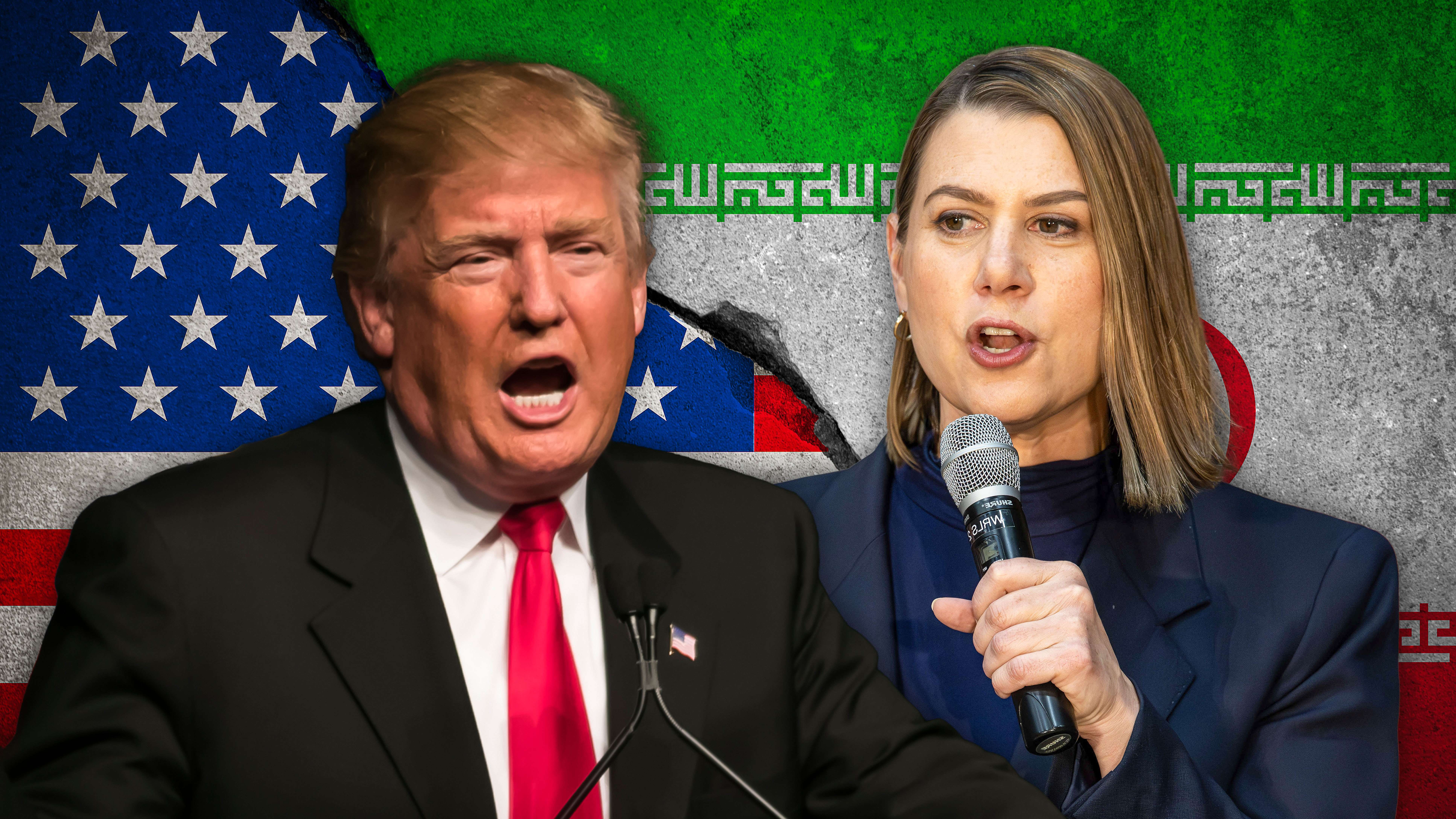
The United States and Iran open a third round of nuclear negotiations in Geneva on Thursday, with U.S. warships and aircraft now massed in the Middle East and both sides warning the talks could end in either a deal or war.
The discussions center on Iran's nuclear program, particularly its uranium enrichment capabilities. U.S. envoy Steve Witkoff demands any new deal scrap the 2015 accord's "sunset clauses" that would let key nuclear limits start phasing out in 2025, according to three U.S. officials in the room. Witkoff asserted that any agreement must ensure Iran's compliance indefinitely.
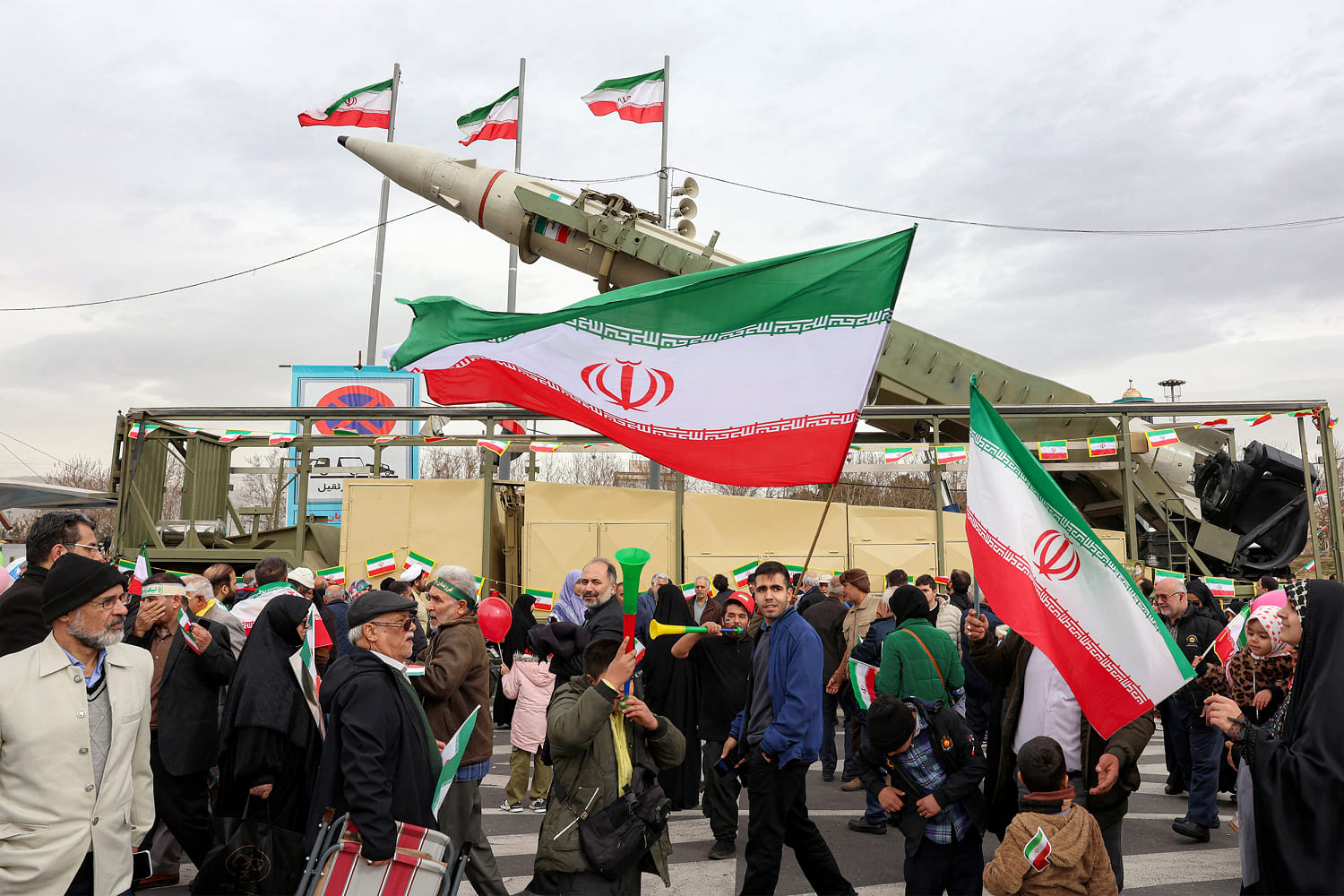
Iranian Foreign Minister Abbas Araghchi told state TV Tehran wants a deal that "keeps our nuclear program peaceful forever." The IAEA reports Iran has stockpiled 60%-enriched uranium—near bomb-grade—for the first time in its history. The Iranian demand to continue enriching uranium on its soil remains a significant hurdle.
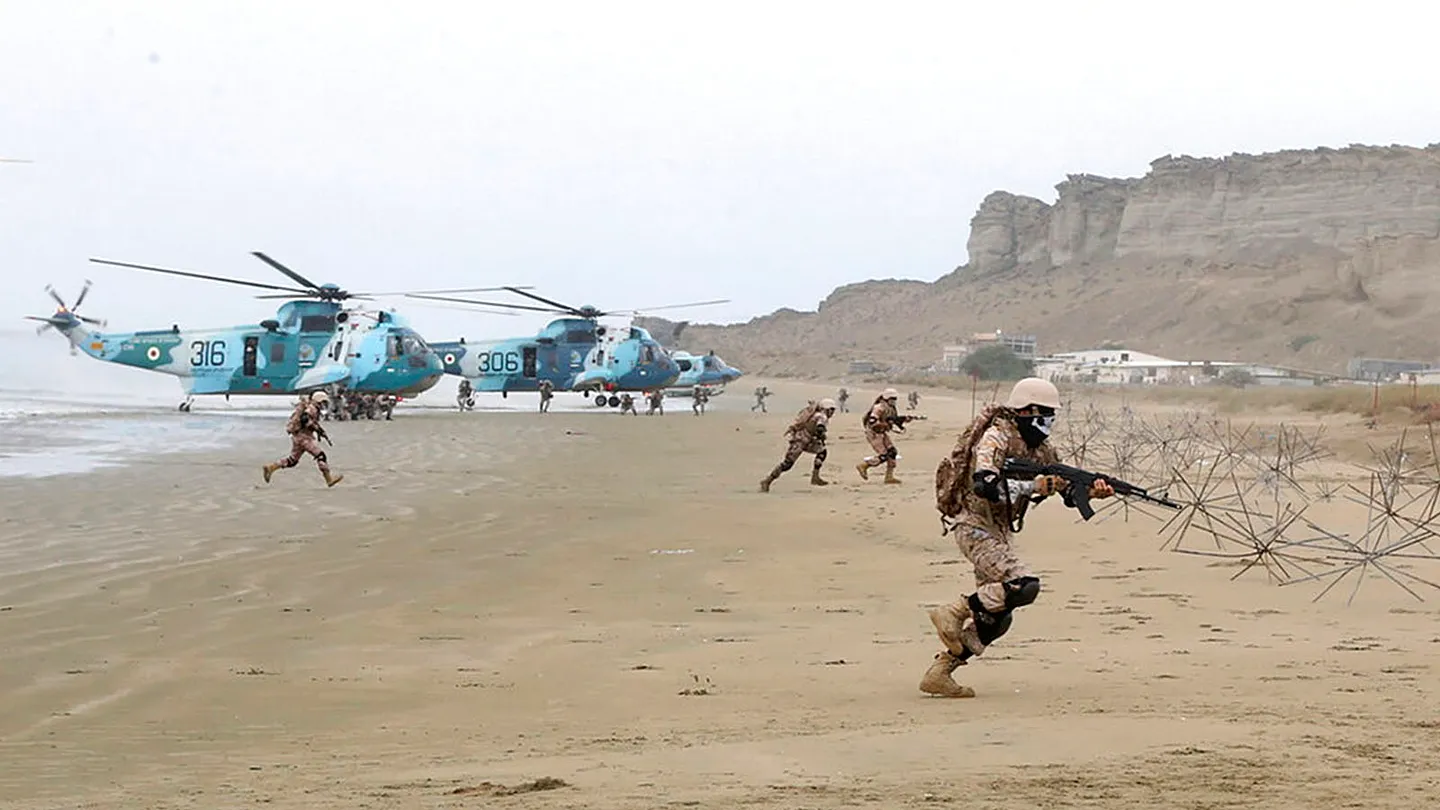
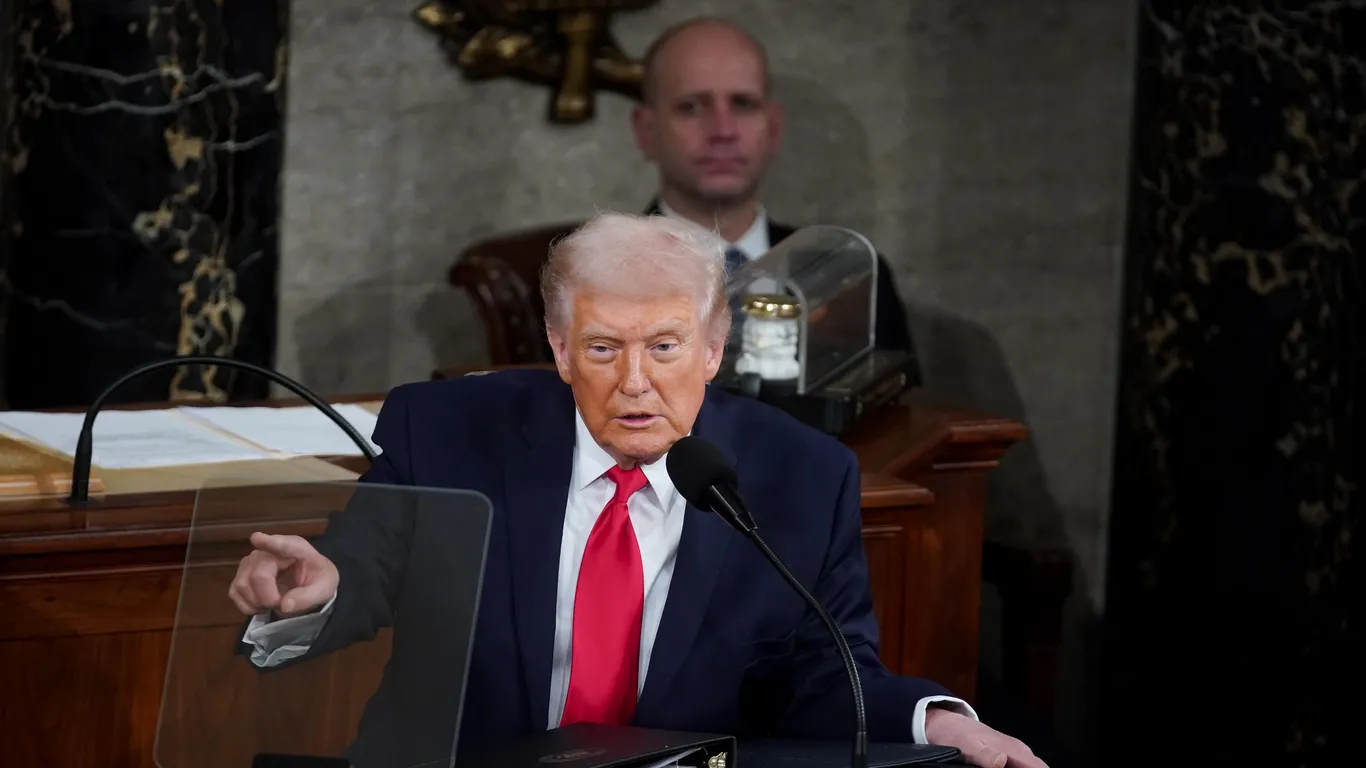
Trump ordered the USS Truman carrier strike group and more than 100 aircraft to the Gulf last week, the biggest U.S. surge since the 2003 Iraq war, according to defense officials. President Trump has emphasized the goal of preventing Iran from acquiring nuclear weapons, stating that he prefers a diplomatic solution but has also laid out a case for war. Vice President Vance reinforced this stance, using strong language, warning that the U.S. will not allow "the craziest and worst regime in the world" to possess nuclear arms.
Araghchi characterized the negotiations as a crucial opportunity to prevent war. Yet two U.S. officials and an Iranian diplomat told Axios privately they give the talks no better than a 30% chance of success.
Analysts at Goldman Sachs warn a deal could shave $5-8 off a barrel of oil, while failure would risk U.S. airstrikes that the Pentagon estimates could push prices past $110 and trigger Iranian retaliation against Gulf shipping.
Geneva is the last diplomatic stop before Trump's self-imposed March 1 deadline to either secure a deal or order military strikes, according to two White House aides.
If you care about global security or rising gas prices, pay attention. The United States and Iran are set to engage in a critical third round of nuclear negotiations in Geneva. As tensions escalate, the U.S. has deployed a fleet of military aircraft and warships to the Middle East, raising the stakes of these talks significantly. A failure to reach an agreement could not only prolong conflict but also impact energy markets and U.S. military involvement in the region.
The upcoming discussions center around Iran’s nuclear program, particularly its uranium enrichment capabilities. U.S. envoy Steve Witkoff has made it clear that the Trump administration seeks a deal without "sunset provisions," which would allow Iran to gradually reduce limitations on its nuclear activities. Witkoff asserted that any agreement must ensure Iran’s compliance indefinitely, a point that has become a sticking point in negotiations.
Iranian Foreign Minister Abbas Araghchi has expressed a willingness to negotiate, indicating that Tehran aims to secure a deal that guarantees its nuclear program remains peaceful. However, the Iranian demand to continue enriching uranium on its soil remains a significant hurdle.
The military buildup by the U.S. serves as a backdrop to these negotiations, illustrating the urgency felt on both sides. President Trump has emphasized the goal of preventing Iran from acquiring nuclear weapons, stating that he prefers a diplomatic solution but has military options at his disposal if talks fail. Vice President Vance reinforced this stance, warning that the U.S. will not allow "the craziest and worst regime in the world" to possess nuclear arms.
Conversely, Araghchi has characterized the negotiations as a crucial opportunity to prevent war, suggesting that previous rounds have yielded some understanding between the two nations. Yet, skepticism remains high among U.S. officials, who question whether Iran can meet the demands set forth by the Trump administration.
As the talks unfold, the implications are vast. Success could stabilize the region and lower gas prices, while failure might lead to military action, further destabilizing an already volatile area. The outcome of these negotiations will likely influence U.S. foreign policy and national security strategies moving forward.
Expectations are low for a breakthrough, but both sides recognize that the stakes could not be higher. The meeting in Geneva is not just another round of discussions; it may be a pivotal moment that decides whether the world moves closer to peace or war.
Highlighted text was flagged by the council. Tap to see feedback.