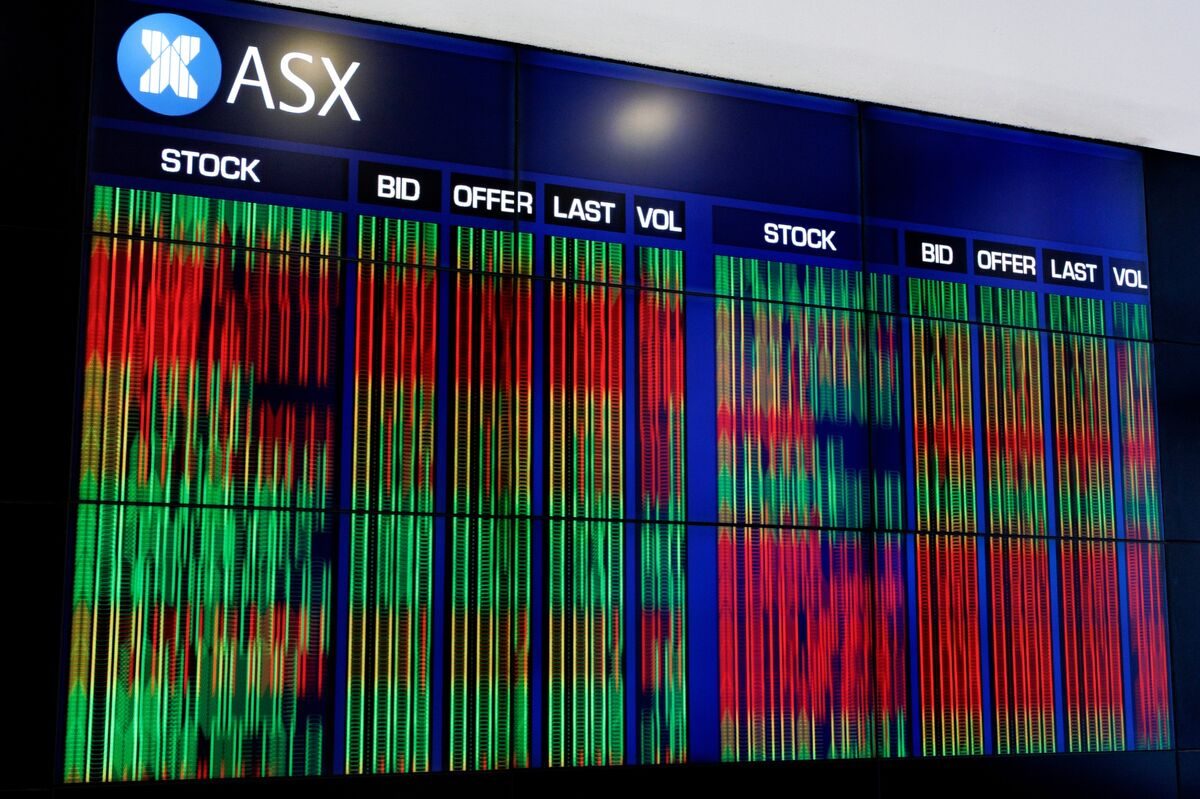
The Nifty50 dropped over 2 percent while the BSE Sensex plunged more than 1,600 points in opening trade Wednesday, as escalating Middle East tensions and fears of a wider US-Israel-Iran conflict sent shockwaves through global markets. For investors holding Indian equities, significant selling pressure swept across the region, driven by the same investor unease that has swept across Asian markets.
India was not alone. South Korea's stock market suffered its worst single day since the 2008 financial crisis, with the Kospi index crashing so severely that trading halted automatically. Thailand's benchmark index plunged 8 percent, triggering a market-wide suspension. Across the region, investors fled some of the world's best-performing markets in what amounts to a broad retreat from risk.
The market decline reflects a sudden shift in investor psychology. Asian markets have been among the world's best-performing in recent months, with technology stocks and emerging market plays drawing significant capital. Markets declined sharply Wednesday. Concerns about Middle East tensions and rising oil prices drove selling pressure. Energy security concerns have, for now, overshadowed optimism about technology-sector growth.
Rising crude prices and Middle East tensions are cited as major concerns driving the selloff. Higher oil costs threaten corporate earnings in many sectors, from transportation to manufacturing to retail. Investors worry that higher oil prices could fuel inflation. Rising oil prices combined with geopolitical tensions put downward pressure on stock valuations.
Wall Street's weak opening reflected similar concerns about the expanding conflict. American market weakness can amplify concerns about global economic growth. Market movements in one region can quickly affect trading globally.
Not everyone is selling. Mehul Kothari, DVP - Technical Research at Anand Rathi Shares and Stock Brokers, recommends buying Bharat Electronics Limited, Oil India Limited, and Multi Commodity Exchange of India. Some analysts suggest Oil India could benefit if crude prices remain elevated.
Market observers are assessing whether Wednesday's decline reflects temporary volatility or signals broader weakness. Market direction depends on developments in the Middle East and oil price movements.
If you own stocks in India, today's market collapse just erased billions from your portfolio. The Nifty50 dropped over 2 percent while the BSE Sensex plunged more than 1,600 points in opening trade Wednesday, as escalating Middle East tensions and the expanding US-Israel-Iran conflict sent shockwaves through global markets. For investors holding Indian equities, this marks the largest selloff in months, driven by the same panic that has gripped trading floors across Asia.
India was not alone. South Korea's stock market suffered its worst single day since the 2008 financial crisis, with the Kospi index crashing so severely that trading halted automatically. Thailand's benchmark index plunged 8 percent, triggering a market-wide suspension. Across the region, investors fled some of the world's best-performing markets in what amounts to a coordinated retreat from risk.
The carnage reflects a sudden shift in investor psychology. For months, Asian markets have been the global darling, with technology stocks and emerging market plays drawing capital from around the world. That momentum reversed Wednesday. Fear of an expanding war in the Middle East, combined with surging oil prices, convinced traders that the easy gains were over. Energy security concerns now overshadow any optimism about technology sector growth.
Rising crude prices are the real culprit. Higher oil costs directly threaten corporate earnings across every sector, from transportation to manufacturing to retail. They also fuel inflation, which erodes purchasing power and forces central banks to keep interest rates elevated. Investors are now calculating that the geopolitical crisis will slow economic growth just as prices remain sticky. That combination is poison for stock valuations.
Wall Street's weak opening reinforced the panic. When American markets show weakness, it validates the fears of Asian traders who worry that global growth is slowing. The contagion spreads fast in modern markets. One region's crisis becomes everyone's problem within hours.
Not everyone is selling. Stock analysts remain bullish on select Indian names. Bharat Electronics Limited, Oil India Limited, and Multi Commodity Exchange of India have drawn buy recommendations from technical analysts at major brokerages, who see value in the wreckage. Oil India, in particular, could benefit from higher crude prices if the geopolitical situation stabilizes. But these contrarian calls require stomach for volatility.
The critical question is whether Wednesday's crash marks a temporary panic or the beginning of a sustained selloff. If Middle East tensions ease, markets could recover quickly. If the conflict escalates further, oil prices could spike again, triggering another round of selling. For Indian investors, the next move depends on forces largely beyond the country's control, making patience and diversification more valuable than ever.
Highlighted text was flagged by the council. Tap to see feedback.