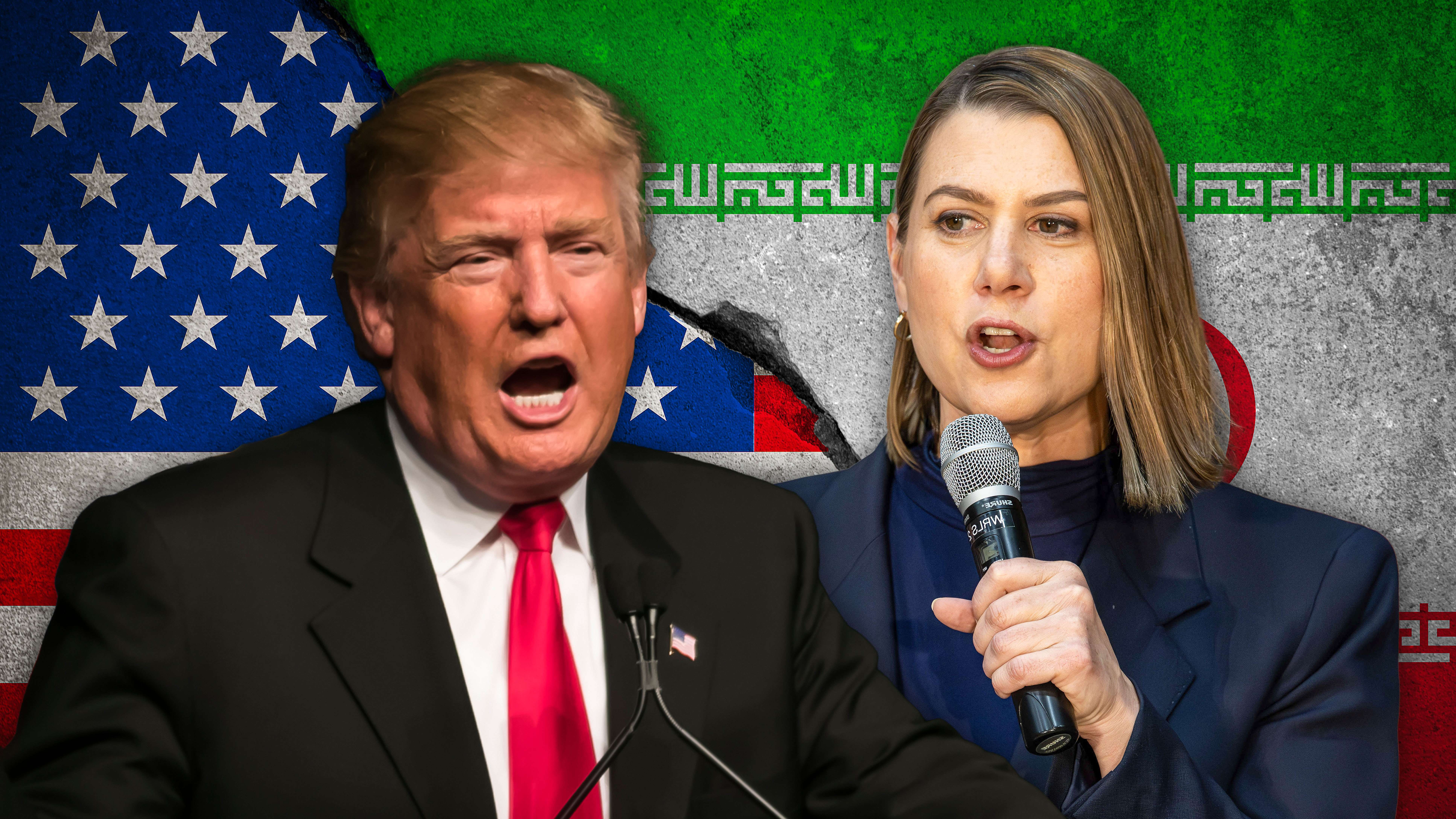
Oil prices have climbed to their highest levels since July 31, 2025 [7], as traders weigh the possibility that US-Iran nuclear talks could fail and trigger military conflict in the Middle East [9]. US crude futures hit $67.28 a barrel on Monday, while Brent crude touched $72.50 a barrel [7]. Prices pulled back late in the session but rebounded Tuesday morning, hovering near those highs. The rally reflects a calculation: if diplomacy breaks down, the Middle East could face conflict, disrupting global oil supplies.
The tension stems from two competing forces. Iran's Foreign Minister Abbas Araghchi said Tuesday that a deal to avert military confrontation is within reach, signaling optimism ahead of talks resuming in Geneva this week [8]. The US has deployed forces to the Middle East [9]. Traders are hedging against the worst-case scenario of an actual conflict [7].
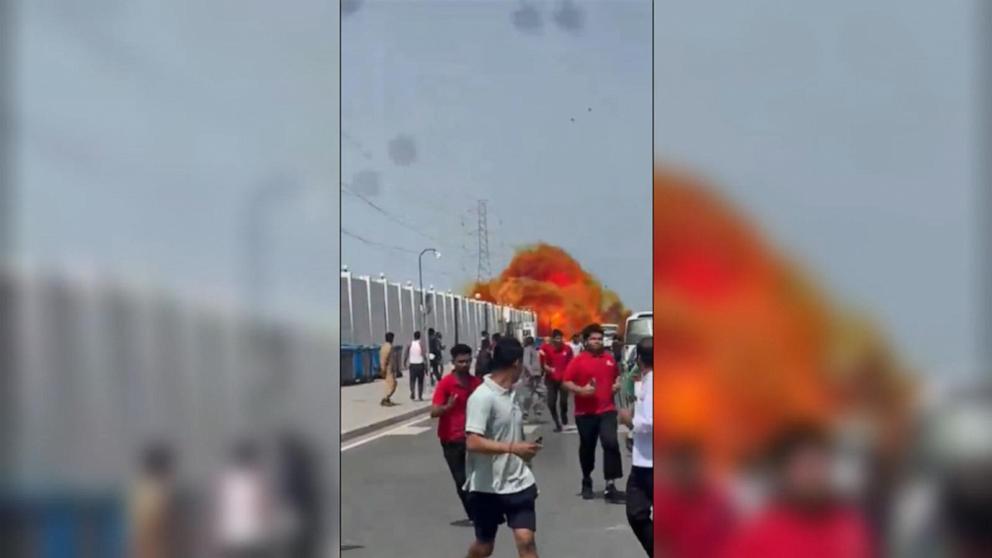
The potential economic impact is significant. Tanker shipping costs have hit six-year highs as insurance premiums spike for vessels moving oil out of the Middle East [6]. Much of that extra cost is likely to show up in retail prices within weeks. Russia's oil infrastructure is also under strain. According to reporting, drone attacks damaged a key pumping station operated by Transneft, reducing pipeline intake and tightening global supplies even further [4].
Historically, each $1 rise in crude has added about 2–2.5 cents per gallon at the pump. For a 15-gallon tank filled twice a week, that's roughly $6 extra per month.
Market analysts indicate that uncertainty surrounding the talks contributes to volatility in oil prices. Many traders are buying oil futures as insurance against a possible supply shock. That buying pressure keeps prices elevated regardless of what actually happens in Geneva.
The talks begin this week. If negotiators reach a deal, oil prices could fall sharply as the geopolitical risk premium evaporates. If talks collapse, prices could jump further as traders price in the risk of military action and supply disruptions.
If you're planning to fill your tank this week, the price you pay could swing sharply depending on what happens in Geneva. Oil prices have climbed to their highest levels since last July, driven by traders bracing for the possibility that US-Iran nuclear talks could fail and trigger military conflict in the world's most critical oil-producing region.
US crude futures hit $67.28 a barrel on Monday, while Brent crude touched $72.50 a barrel. Prices pulled back late in the session but rebounded Tuesday morning, hovering near those highs. The rally reflects a simple calculation: if diplomacy breaks down, the Middle East could erupt, and global oil supplies could vanish overnight.
The tension stems from two competing forces. Iran's Foreign Minister Abbas Araghchi said Tuesday that a deal to avert military confrontation is within reach, signaling optimism ahead of talks resuming in Geneva this week. But that message clashes with the reality on the ground: the US has deployed massive military forces to the Middle East, and traders are hedging against the worst-case scenario of an actual conflict.
The stakes are enormous. Tanker shipping costs have already hit six-year highs as insurance premiums spike for vessels moving oil out of the Middle East. That cost gets passed directly to consumers at the pump. Russia's oil infrastructure is also under strain after drone attacks damaged a key pumping station, reducing pipeline intake and tightening global supplies even further.
Every dollar increase in oil prices translates to roughly 2.4 cents more per gallon at the pump. At current levels, a 10-percent price jump would add about 15 cents to a gallon of gas. For a household that fills up twice a week, that's an extra $6 to $8 per month in fuel costs alone.
The uncertainty itself is the problem. Traders don't know if talks will succeed or fail, so they're buying oil as insurance against a supply shock. That buying pressure keeps prices elevated regardless of what actually happens in Geneva.
The talks begin this week. If negotiators reach a deal, oil prices could fall sharply as the geopolitical risk premium evaporates. If talks collapse, prices could spike much higher as traders panic about potential military action and Middle East supply disruptions. For now, the market is frozen in place, waiting.
Highlighted text was flagged by the council. Tap to see feedback.