Iran's Deputy Foreign Minister Majid Takht-Ravanchi issued an explicit threat on Saturday that will reshape European calculations about Middle East involvement. Any European country that joins the conflict against Iran alongside the United States and Israel will become a "legitimate target" for Iranian retaliation, he told France 24.
"If any country joins in the aggression against Iran, joins America and Israel in the aggression against Iran, definitely they will be also the legitimate targets for Iranian retaliation," Takht-Ravanchi said. The warning marks a new escalatory threshold that directly threatens NATO members and European allies who have so far remained on the sidelines of the intensifying military campaign.
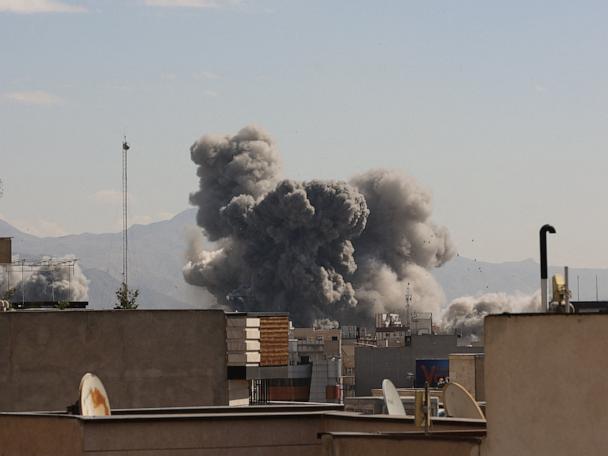
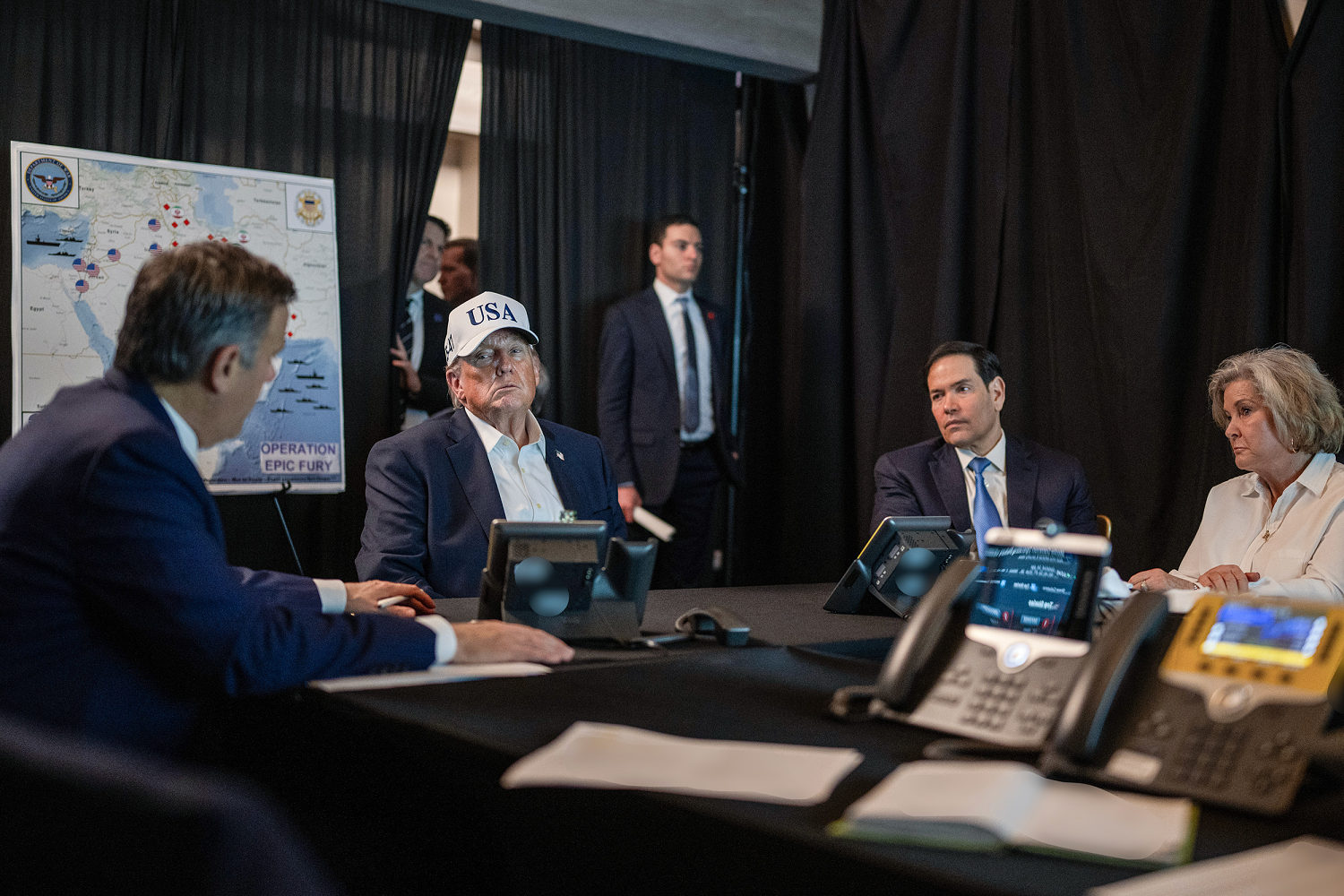
The threat comes after the U.S. launched Operation Epic Fury and Israel began Operation Roaring Lion on February 28, triggering a cascade of Iranian strikes across the Gulf region. Iran launched repeated barrages of ballistic missiles and drones at Bahrain, Saudi Arabia, the United Arab Emirates, Qatar, and Oman over recent days. The UAE's air defense systems intercepted 16 ballistic missiles on Saturday alone, destroying 15 of them.
The conflict has moved beyond the Iran-Israel axis into a broader regional confrontation. Iranian Kurdish forces are preparing armed units for potential deployment inside Iran, potentially with U.S. support, according to France 24. Israel is also backing Kurdish plans to seize border areas in Iran, with Israeli Defense Forces carrying out strikes in western Iran in support of those efforts. The Islamic Revolutionary Guard Corps has responded by targeting what it describes as "separatist groups" in the Kurdistan Region of Iraq.
Iranian President Masoud Pezeshkian offered a limited olive branch on Saturday, apologizing to neighboring countries attacked by Iranian missiles and pledging that future Iranian strikes would only occur if Iran itself is attacked.
The military escalation has already upended global markets. Oil prices surged above $90 per barrel, according to Bloomberg News. The closure of the Strait and airspace across the Gulf has rippled through global supply chains, pushing up oil and fertilizer prices. All three major U.S. stock indexes dropped about 1%, according to Bloomberg News.
Finland's President Alexander Stubb said he sees no strategic end game for the conflict and does not believe mediation will ease the Iranian tensions. That assessment reflects the growing concern among world leaders that the current trajectory offers no off-ramp, only deeper entrenchment and wider involvement.
Iran's Deputy Foreign Minister Majid Takht-Ravanchi issued an explicit threat on Saturday that will reshape European calculations about Middle East involvement. Any European country that joins the conflict against Iran alongside the United States and Israel will become a "legitimate target" for Iranian retaliation, he told France 24.
"If any country joins in the aggression against Iran, joins America and Israel in the aggression against Iran, definitely they will be also the legitimate targets for Iranian retaliation," Takht-Ravanchi said. The warning marks a new escalatory threshold that directly threatens NATO members and European allies who have so far remained on the sidelines of the intensifying military campaign.
The threat comes after the U.S. launched Operation Epic Fury and Israel began Operation Roaring Lion on February 28, triggering a cascade of Iranian strikes across the Gulf region. Iran launched repeated barrages of ballistic missiles and drones at Bahrain, Saudi Arabia, the United Arab Emirates, Qatar, and Oman over recent days. The UAE's air defense systems intercepted 16 ballistic missiles on Saturday alone, destroying 15 of them.
The conflict has moved beyond the Iran-Israel axis into a broader regional confrontation. According to reports, Kurdish armed units are being prepared for potential deployment inside Iran, reportedly with U.S. support. Israel is also backing Kurdish plans to seize border areas in Iran, with Israeli Defense Forces carrying out strikes in western Iran in support of those efforts. The Islamic Revolutionary Guard Corps has responded by targeting what it describes as "separatist groups" in the Kurdistan Region of Iraq.
Iranian President Masoud Pezeshkian offered a limited olive branch on Saturday, apologizing to neighboring countries attacked by Iranian missiles and pledging that future Iranian strikes would only occur if Iran itself is attacked. Yet his government simultaneously issued the threat to Europe, signaling that Iran sees European involvement as a potential trigger for escalation rather than a path toward de-escalation.
The military escalation has already upended global markets. Oil prices surged above $90 per barrel as the Strait of Hormuz, one of the world's most critical shipping lanes, faced traffic disruptions. The closure of the Strait and airspace across the Gulf has rippled through global supply chains, pushing up oil and fertilizer prices. All three major U.S. stock indexes dropped roughly 1% on the news, with sharp rises in oil and gas prices driving the selloff.
Finland's President Alexander Stubb said he sees no strategic end game for the conflict and does not believe mediation will ease the Iranian tensions. That assessment reflects the growing concern among world leaders that the current trajectory offers no off-ramp, only deeper entrenchment and wider involvement.
Highlighted text was flagged by the council. Tap to see feedback.