




New Policy on Maritime Traffic
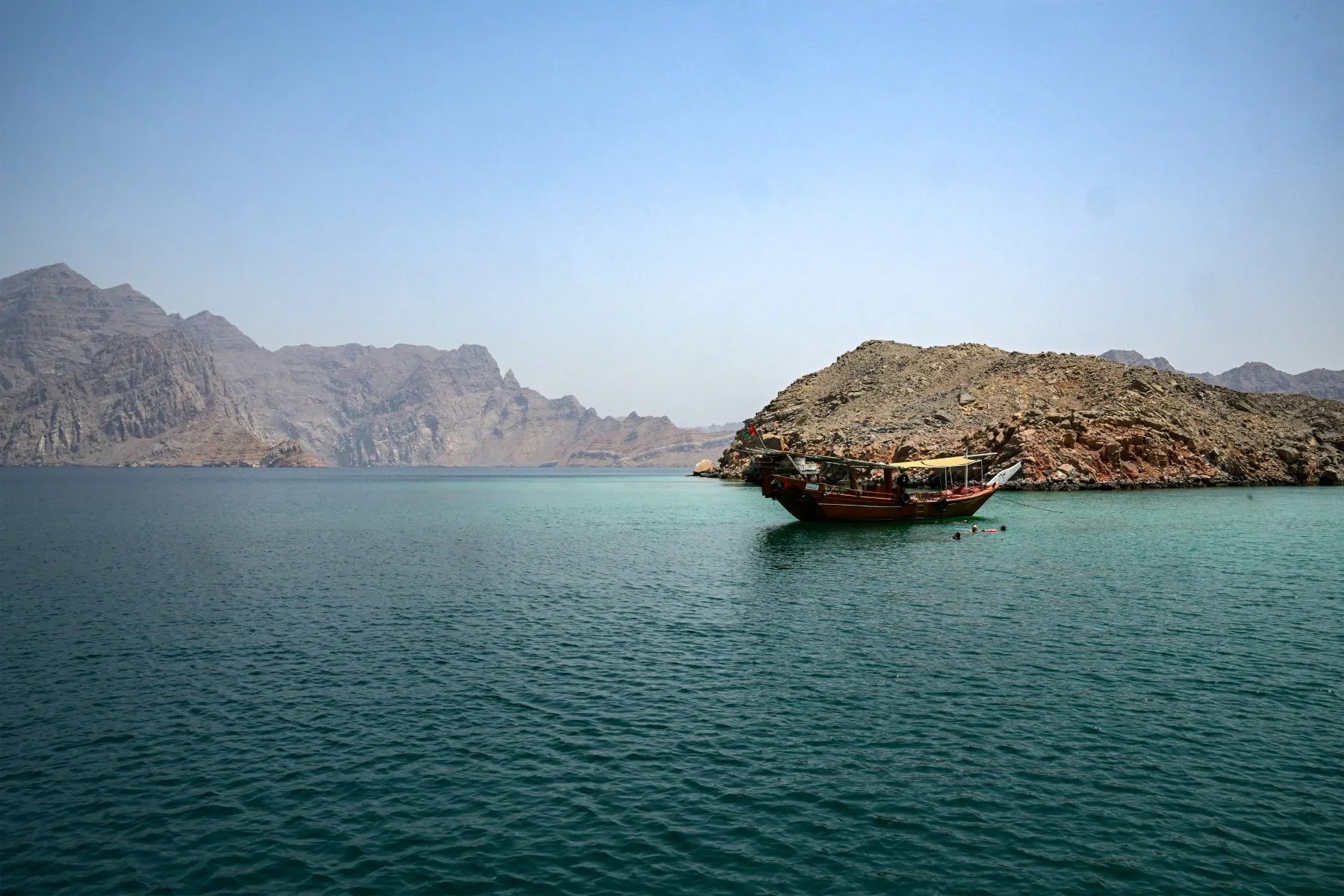
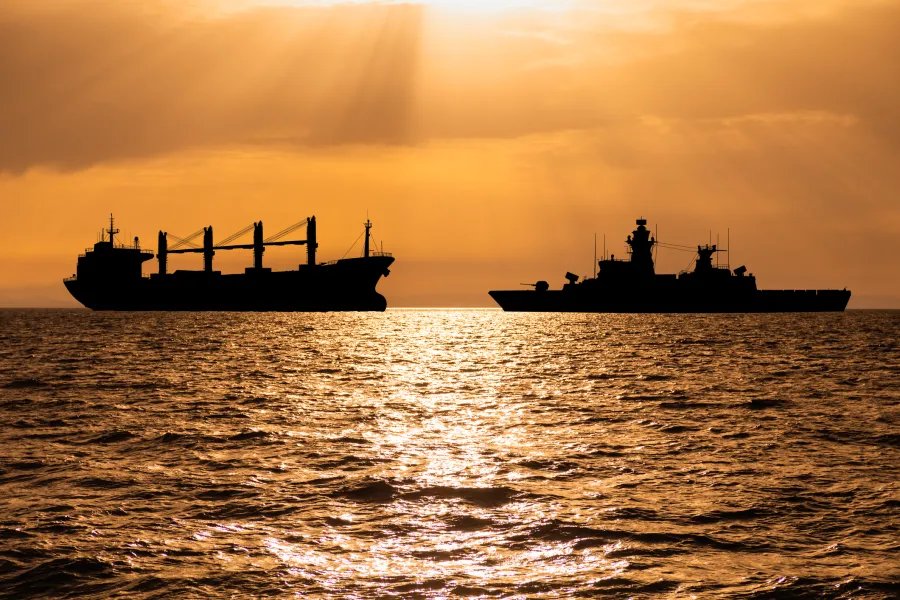
Iran announced that it will permit "non-hostile vessels" to pass through the Strait of Hormuz, a strategic waterway that accounts for about 20 percent of the world's oil supply and nearly a fifth of global liquefied natural gas (LNG) flows. This policy change was confirmed in a letter sent to the International Maritime Organization, signaling a potential shift in Iran's approach to maritime security after weeks of disruptions that saw numerous vessels stranded or attacked.
Global Economic Implications
The disruptions in the Strait of Hormuz have already triggered significant economic consequences. Oil prices surged to nearly $120 per barrel due to the instability, with countries like Iraq reducing oil production by 70 percent from 3.3 million barrels per day to just 900,000. Saudi Arabia also faced challenges, shutting down its Ras Tanura refinery, which processes 550,000 barrels daily, while the UAE rerouted oil through pipelines to avoid the strait.
Energy Companies React
Following disruptions in the Strait of Hormuz, several energy companies, including Qatar Energy and Shell, invoked force majeure, a legal clause that frees them from contractual obligations due to extraordinary circumstances. This unprecedented move reflects the gravity of the situation, as the Gulf Cooperation Council states struggle to maintain their energy exports amidst rising geopolitical tensions.
Impact on Regional Economies
The economic fallout extends beyond the Gulf states. Pakistan's economy has been adversely affected, with soaring fuel costs and increasing inflation straining household budgets. Experts warn that the ongoing crisis could deepen vulnerabilities in Pakistan's economy, potentially leading to collapse if the conflict escalates further.
Legal Context of Navigation
Navigating the Strait of Hormuz is governed by international law, specifically the United Nations Convention on the Law of the Sea. Article 38 of the convention asserts that ships enjoy the right of transit passage through straits used for international navigation.
Calls for International Action
Experts argue that the international community has a responsibility to uphold navigational rights in the Strait of Hormuz. Experts urge countries like China, which maintain close relations with Iran, to pressure Tehran to comply with international law. The Gulf Cooperation Council should also accelerate efforts to diversify export routes, potentially linking energy producers to the Arabian Sea and Red Sea to mitigate risks associated with the strait.
The Broader Geopolitical Landscape
The situation in the Strait of Hormuz is emblematic of larger geopolitical tensions involving Iran and its adversaries. Retired Lt. Gen. Keith Kellogg suggested that American ground troops might be needed to secure Kharg Island and the Strait of Hormuz.
Conclusion: A Critical Moment for Global Trade
The Strait of Hormuz remains a crucial artery for global energy trade. Ensuring its openness is essential not only for regional stability but also for maintaining global market stability. As tensions persist, the international community faces a critical moment in safeguarding maritime navigation and energy security. Immediate and coordinated action is necessary to prevent further disruptions that could have far-reaching consequences for economies worldwide.