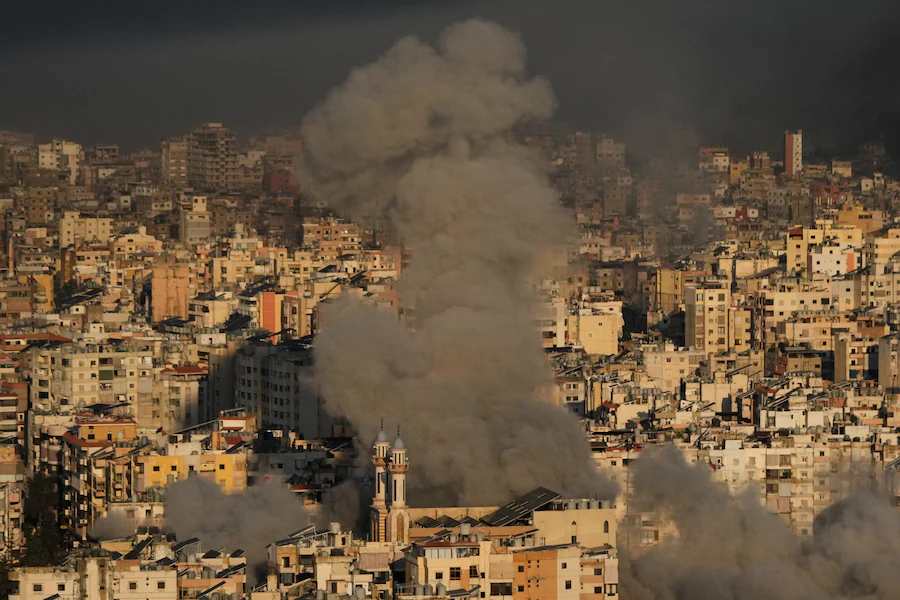
The war in Iran has killed more than 1,200 Iranian civilians, according to the Iran Health Ministry. A strike on an Iranian school claimed at least 175 lives, mostly children, according to The Guardian. In Lebanon, 773 people have died and 1,933 others injured, data from Lebanon's Health Ministry shows, while 830,000 have fled their homes as noted by Lebanon's disaster management office. Israeli authorities report 12 civilians and 2 soldiers killed, and Gulf states like the UAE, Kuwait, Saudi Arabia, Bahrain, and Oman have seen at least 16 deaths combined, according to their state media. U.S. service members have suffered at least 13 deaths, including 7 from enemy fire, as stated by U.S. Central Command, underscoring risks to American troops.
The U.S. has spent about $16.5 billion in the first 12 days of the war, according to the Center for Strategic and International Studies. Operation Epic Fury alone cost around $3.7 billion in its first 100 hours, CSIS figures reveal, straining federal budgets. This spending has driven U.S. gas prices to an average of $3.63 per gallon, up 55 cents from the same time last year, as reported by AAA. The International Energy Agency released 400 million barrels of oil to counter supply disruptions, with the U.S. contributing 172 million barrels from its Strategic Petroleum Reserve, per the U.S. Department of Energy. About 20 percent of the world's oil passes through the Strait of Hormuz, according to the U.S. Energy Information Administration, raising fears of further price spikes that affect everyday consumers.
Iran's Revolutionary Guard launched "Operation True Promise 4," targeting Israeli and U.S. interests, including strikes on northern Israel and Haifa, as detailed in Times of India reports. The U.S. and Israeli campaign has hit more than 15,000 targets, with Defense Secretary Pete Hegseth and Joint Chiefs Chairman Gen. Dan Caine confirming the toll, while U.S. Central Command reports more than 90 Iranian vessels damaged or destroyed and over 30 Iranian minelayers taken out. In Iraq, attacks by both sides have worsened the crisis, with the situation growing desperate as the war nears two weeks, according to PBS NewsHour. Iranian strikes have targeted Saudi Arabia and Qatar, with interceptions reported, as per Al Jazeera, and Yemeni ports now face higher shipping fees, rejected by Yemen's government, amid humanitarian concerns. Indian sailors stranded at Bandar Abbas report anxiety, with about 23,000 Indians affected in the Gulf, per South China Morning Post, disrupting lives far from the front lines.
Spain's Prime Minister Pedro Sánchez has condemned the war as a breach of international law, standing alone in his forthright stance, as noted in The Guardian. Norway and others have also highlighted the violation, contrasting with unreserved support from Australia's Prime Minister Anthony Albanese and Germany's Chancellor Friedrich Merz, who called it "not the moment to lecture allies." U.S. Defense Secretary Pete Hegseth's declaration that "no quarter will be given" breaches international humanitarian law, according to The Guardian, amid reports of over 1,000 civilian deaths in Iran. Critics like EU foreign affairs chief Katja Kallas have implied Israel's attacks on Lebanon are disproportionate, causing vast civilian displacement. This muted response from Europe reveals double standards, as The Guardian editorial points out, especially when compared to the outcry over Russia's 2022 invasion of Ukraine.
Restaurants in India have cut menus due to cooking gas shortages from the war, as two owners told France 24, adapting to supply disruptions. Nigeria faces an energy crisis with rising oil prices, exacerbated by the conflict, according to Deutsche Welle, affecting daily power needs. In the U.S., Agriculture Secretary Brooke Rollins discussed potential funding for farmers to offset fertilizer cost increases, speaking at the White House as reported by PBS NewsHour. About 9 million Indian workers in the Gulf are in the line of fire, with individuals like Yashwant Deshmukh practicing missile drills, per South China Morning Post. These disruptions threaten jobs and remittances, forcing workers to confront heightened personal risks from the escalating violence.
The war in Iran has killed more than 1,200 Iranian civilians, according to the Iran Health Ministry. A strike on an Iranian school claimed at least 165 lives, mostly children, as reported by Iranian state media. These losses have displaced up to 3.2 million people in Iran, per UNHCR, affecting families who now face homelessness amid ongoing violence. In Lebanon, 773 people have died and 1,933 others injured, data from Lebanon's Health Ministry shows, while 830,000 have fled their homes as noted by Lebanon's disaster management office. Israeli authorities report 12 civilians and 2 soldiers killed, and Gulf states like the UAE, Kuwait, Saudi Arabia, Bahrain, and Oman have seen at least 16 deaths combined, according to their state media. U.S. service members have suffered at least 13 deaths, including 7 from enemy fire, as stated by U.S. Central Command, underscoring risks to American troops.
The U.S. has spent about $16.5 billion in the first 12 days of the war, according to the Center for Strategic and International Studies. Operation Epic Fury alone cost around $3.7 billion in its first 100 hours, CSIS figures reveal, straining federal budgets. This spending has driven U.S. gas prices to an average of $3.63 per gallon, up 55 cents from the same time last year, as reported by AAA, hitting drivers' wallets directly. The International Energy Agency released 400 million barrels of oil to counter supply disruptions, with the U.S. contributing 172 million barrels from its Strategic Petroleum Reserve, per the U.S. Department of Energy. About 20 percent of the world's oil passes through the Strait of Hormuz, according to the U.S. Energy Information Administration, raising fears of further price spikes that affect everyday consumers.
Iran's Revolutionary Guard launched "Operation True Promise 4," targeting Israeli and U.S. interests, including strikes on northern Israel and Haifa, as detailed in Times of India reports. The U.S. and Israeli campaign has hit more than 15,000 targets, with Defense Secretary Pete Hegseth and Joint Chiefs Chairman Gen. Dan Caine confirming the toll, while U.S. Central Command reports more than 90 Iranian vessels damaged or destroyed and over 30 Iranian minelayers taken out. In Iraq, attacks by both sides have worsened the crisis, with the situation growing desperate as the war nears two weeks, according to PBS NewsHour. Iranian strikes have targeted Saudi Arabia and Qatar, with interceptions reported, as per Al Jazeera, and Yemeni ports now face higher shipping fees, rejected by Yemen's government, amid humanitarian concerns. Indian sailors stranded at Bandar Abbas report anxiety, with about 23,000 Indians affected in the Gulf, per South China Morning Post, disrupting lives far from the front lines.
Spain's Prime Minister Pedro Sánchez has condemned the war as a breach of international law, standing alone in his forthright stance, as noted in The Guardian. Norway and others have also highlighted the violation, contrasting with unreserved support from Australia's Prime Minister Anthony Albanese and Germany's Chancellor Friedrich Merz, who called it "not the moment to lecture allies." U.S. Defense Secretary Pete Hegseth's declaration that "no quarter will be given" breaches international humanitarian law, according to The Guardian, amid reports of over 1,000 civilian deaths in Iran. Critics like EU foreign affairs chief Katja Kallas have implied Israel's attacks on Lebanon are disproportionate, causing vast civilian displacement. This muted response from Europe reveals double standards, as The Guardian editorial points out, especially when compared to the outcry over Russia's 2022 invasion of Ukraine.
Restaurants in India have cut menus due to cooking gas shortages from the war, as two owners told France 24, adapting to supply disruptions. Nigeria faces an energy crisis with rising oil prices, exacerbated by the conflict, according to Deutsche Welle, affecting daily power needs. In the U.S., Agriculture Secretary Brooke Rollins discussed potential funding for farmers to offset fertilizer cost increases, speaking at the White House as reported by PBS NewsHour. About 9 million Indian workers in the Gulf are in the line of fire, with individuals like Yashwant Deshmukh practicing missile drills, per South China Morning Post. These disruptions threaten jobs and remittances, forcing workers to confront heightened personal risks from the escalating violence.
Gas prices at $3.63 per gallon mean American drivers pay more for commutes, directly linking the war's costs to household budgets and highlighting the need for energy conservation to mitigate ongoing economic strain.
Highlighted text was flagged by the council. Tap to see feedback.