
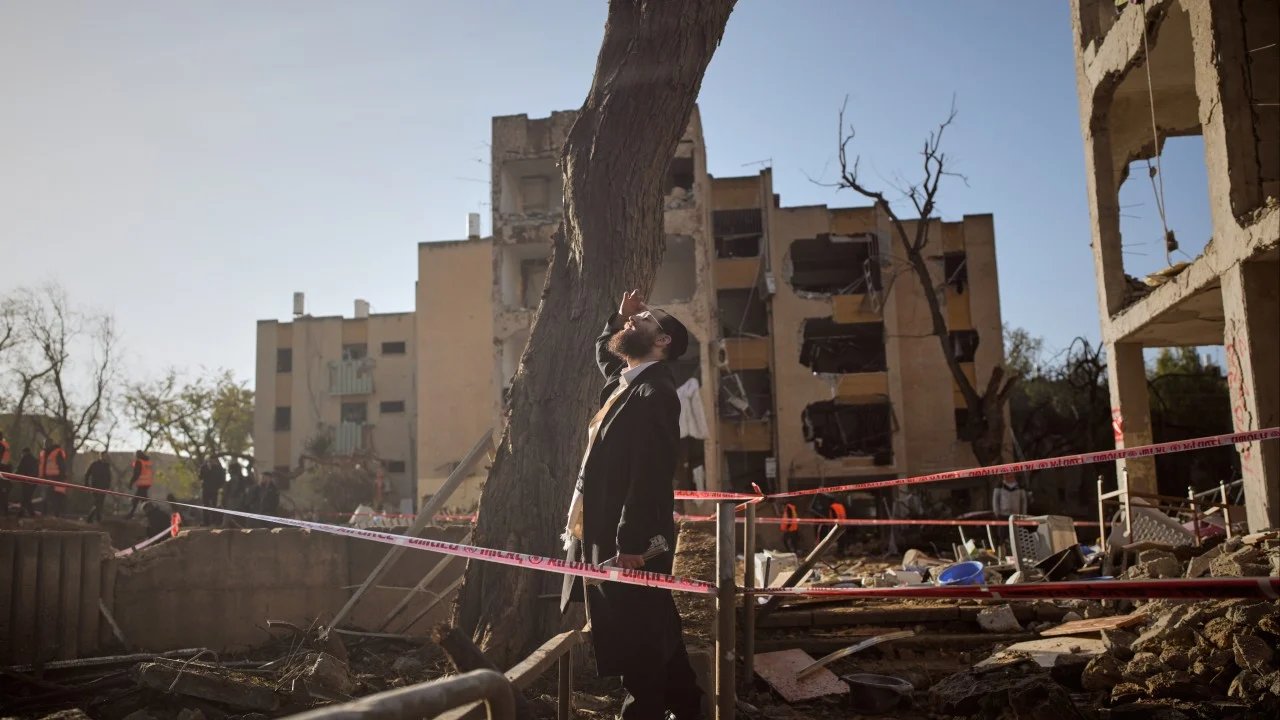





Attacks on Dimona and Arad
Iranian missile strikes on Saturday targeted two towns in southern Israel, Dimona and Arad, resulting in dozens of injuries, with casualty counts varying by source from 90 to 180 people. The strikes, which occurred near Israel's main nuclear research center, marked a significant escalation in the ongoing conflict. Israeli emergency services reported that at least 84 people were injured in Arad, with 10 in serious condition, while another 78 were injured in Dimona, including a 10-year-old boy whose condition was also serious.
Air Defense Failure
Israel's military acknowledged that its air defense systems failed to intercept the missiles, allowing them to strike residential areas directly. This incident is notable as it is the first time Iranian missiles have successfully penetrated Israel's air defenses around the nuclear facility. Lt. Col. Nadav Shosh, an Israel Defense Forces spokesperson, condemned Iran's actions, stating, "It is becoming increasingly clear that the Iranian regime is resorting to reckless attacks that only further expose its instability and disregard for human life."
Damage and Casualties
The missile strikes caused extensive damage, with residential buildings in both towns suffering significant destruction. Footage showed a large crater next to apartment buildings in Arad, where the outer walls were sheared off. Rescue workers reported scenes of chaos, including children with head injuries and panic among residents as they fled for shelter. Naram Zaid, a paramedic, described treating numerous children injured by falling debris, emphasizing the human cost of the attacks.
Response from Israeli Leadership
Israeli Prime Minister Benjamin Netanyahu responded to the attacks by vowing to continue military operations against Iran. "This is a very difficult evening in the campaign for our future," he stated, indicating a commitment to striking enemies across multiple fronts.
Context of the Conflict
These attacks come amid heightened tensions in the region, following an airstrike on Iran's Natanz nuclear enrichment facility earlier on the same day. Iran's state media framed the missile strikes as retaliation for that attack, further complicating the already volatile situation. The Pentagon declined to comment on the Natanz strike, which was also hit during the first week of the war and during the 12-day war last June.
The Nuclear Implications
The Shimon Peres Negev Nuclear Research Center in Dimona has long been a focal point of concern due to Israel's ambiguous nuclear policy. While Israel is widely believed to possess nuclear weapons, it has neither confirmed nor denied their existence. The International Atomic Energy Agency reported no damage to the nuclear facility or abnormal radiation levels following the missile strikes, but the attacks raise significant concerns about regional security and the potential for further escalation.
Civilian Impact and Future Risks
The strikes have left communities in southern Israel reeling, with many residents expressing fear and uncertainty about their safety. Ido Franky, a 17-year-old from Arad, described the terrifying experience of the missile attack, noting, "This was terrifying ... this town had never seen anything like this." As investigations into the air defense failures continue, the potential for further military action looms large, with both sides entrenched in their positions.
The recent escalation underscores the precarious balance of power in the region and the urgent need for diplomatic efforts to prevent further violence and protect civilian lives.

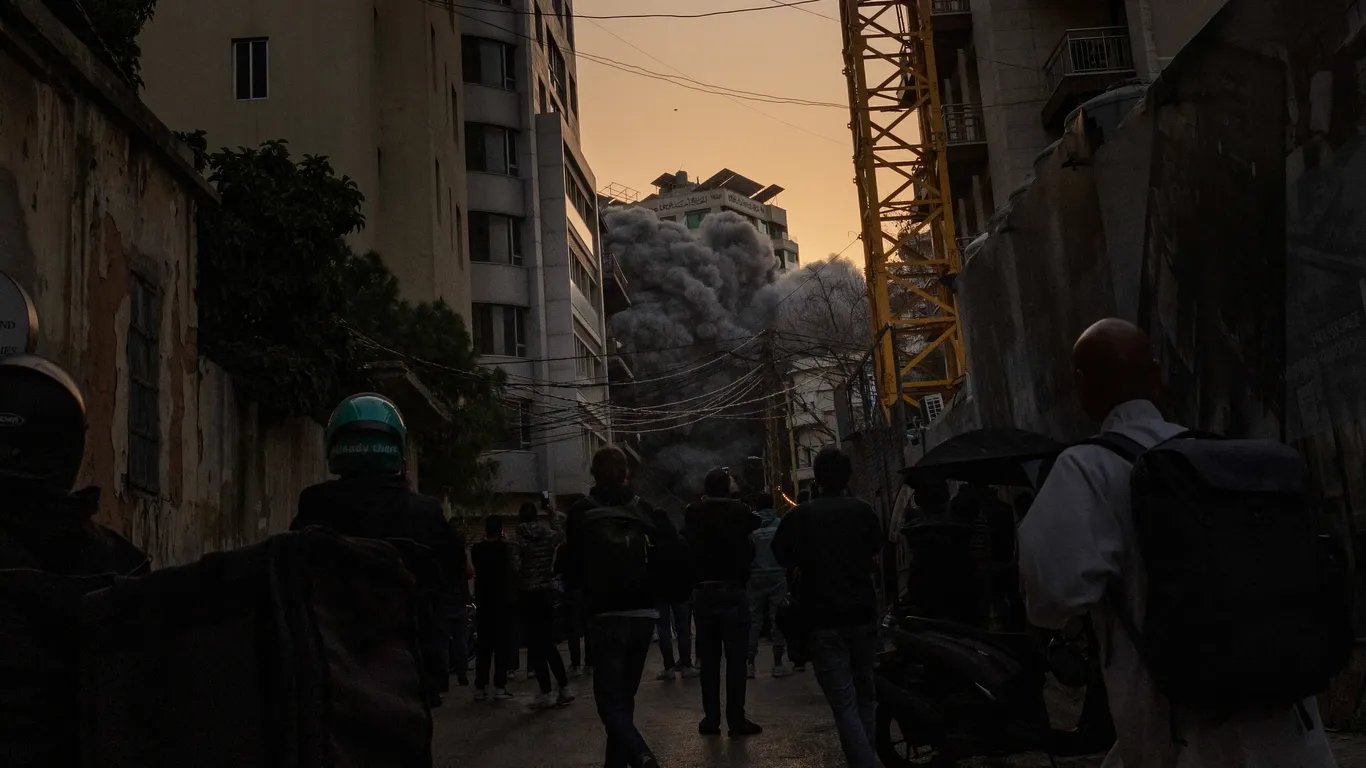
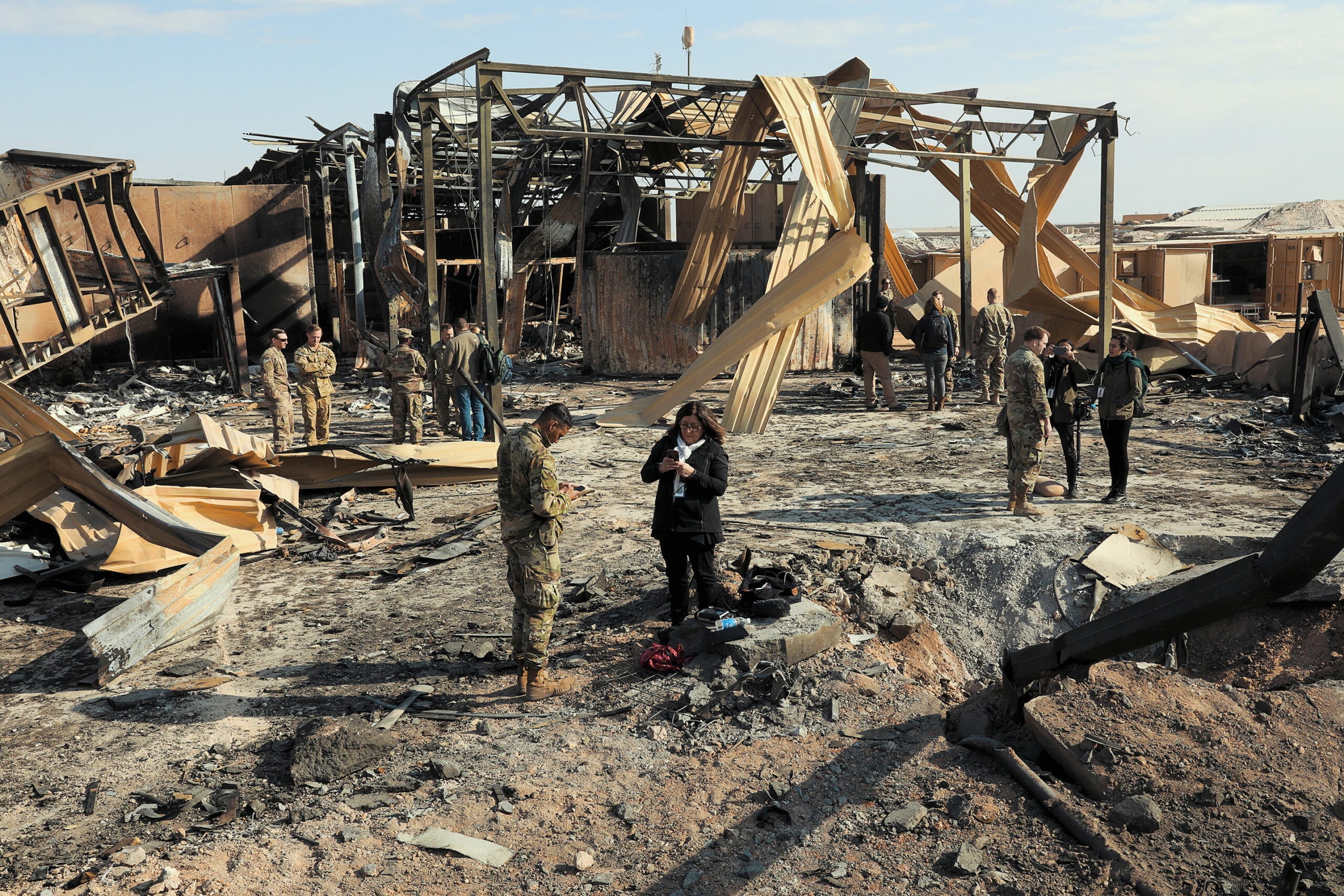
For example, Naram Zaid, a paramedic in Arad, told BBC News she saw many children with head and chest injuries after being crushed by objects inside a damaged building.