




Financial Impact of Iranian Strikes
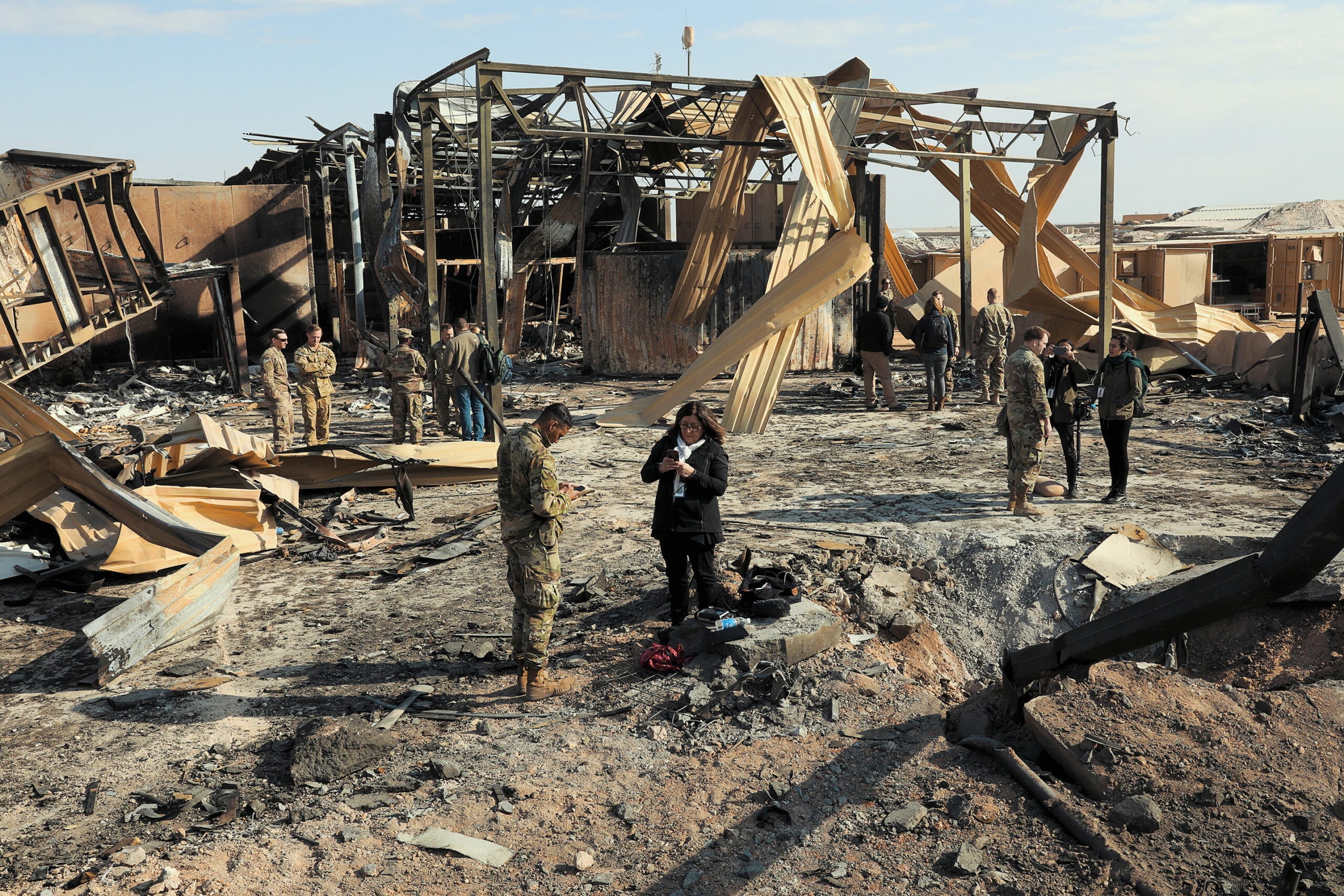
Iranian strikes on military bases used by the U.S. in the Middle East have resulted in approximately $800 million in damage, according to a new analysis by the Center for Strategic & International Studies. Mark Cancian, a senior adviser at CSIS, stated, "The damage to US bases in the region has been underreported," indicating that the full extent of the destruction remains unclear.
Targeted Military Assets
The Iranian attacks have specifically targeted U.S. air-defense and satellite-communication systems across several locations, including Jordan and the United Arab Emirates. A notable strike involved a U.S. radar system for the Terminal High Altitude Area Defense (THAAD) at an air base in Jordan, which carries an estimated replacement cost of $485 million. In addition to this, the strikes are responsible for around $310 million in damage to buildings and other infrastructure at U.S. military installations.
Repeated Attacks on Strategic Bases
Satellite imagery has revealed that Iran has conducted multiple strikes on at least three key air bases: Ali Al-Salim in Kuwait, Al-Udeid in Qatar, and Prince Sultan in Saudi Arabia. The imagery also shows substantial damage to radar components and other critical military assets, affecting the operational readiness of U.S. forces in the region.

The sources also report that Russia has shared intelligence with Iran on American military forces in the region, according to BBC analysis.
NATO's Strategic Withdrawal
In response to the rising threat from Iranian attacks, NATO has relocated several hundred personnel from its security advisory mission in Iraq back to Europe. General Alexus Grynkewich, NATO's top commander, confirmed that this decision was made following a series of assaults on British, French, and Italian bases in northern Iraq.
Broader Implications for U.S. Military Operations
The damage incurred from Iranian strikes is a fraction of the overall costs associated with the conflict. Reports indicate that the U.S. Department of Defense has projected that the first six days of the war alone cost $11.3 billion, escalating to $16.5 billion within the first twelve days. As the Pentagon seeks an additional $200 billion in funding for military operations, Defense Secretary Pete Hegseth remarked, "It takes money to kill bad guys."
Human Cost of the Conflict
The military engagement has also resulted in the loss of 13 U.S. service members since President Donald Trump joined Israel in launching the attacks on Iran on February 28. The U.S.-based Human Rights Activists News Agency estimates that the total death toll from the conflict has reached nearly 3,200, including approximately 1,400 civilians. This statistic underscores the human cost associated with the escalating violence in the region and the broader implications for international stability.
Next Steps for U.S. Forces
As the conflict continues, U.S. military officials are assessing the impact of the damage on operational capabilities and future deployment strategies. The emphasis on protecting critical assets like air-defense systems will likely shape U.S. military responses in the region. The ongoing tension and the potential for further escalations highlight the need for strategic planning and resource allocation in the face of persistent threats from Iran.
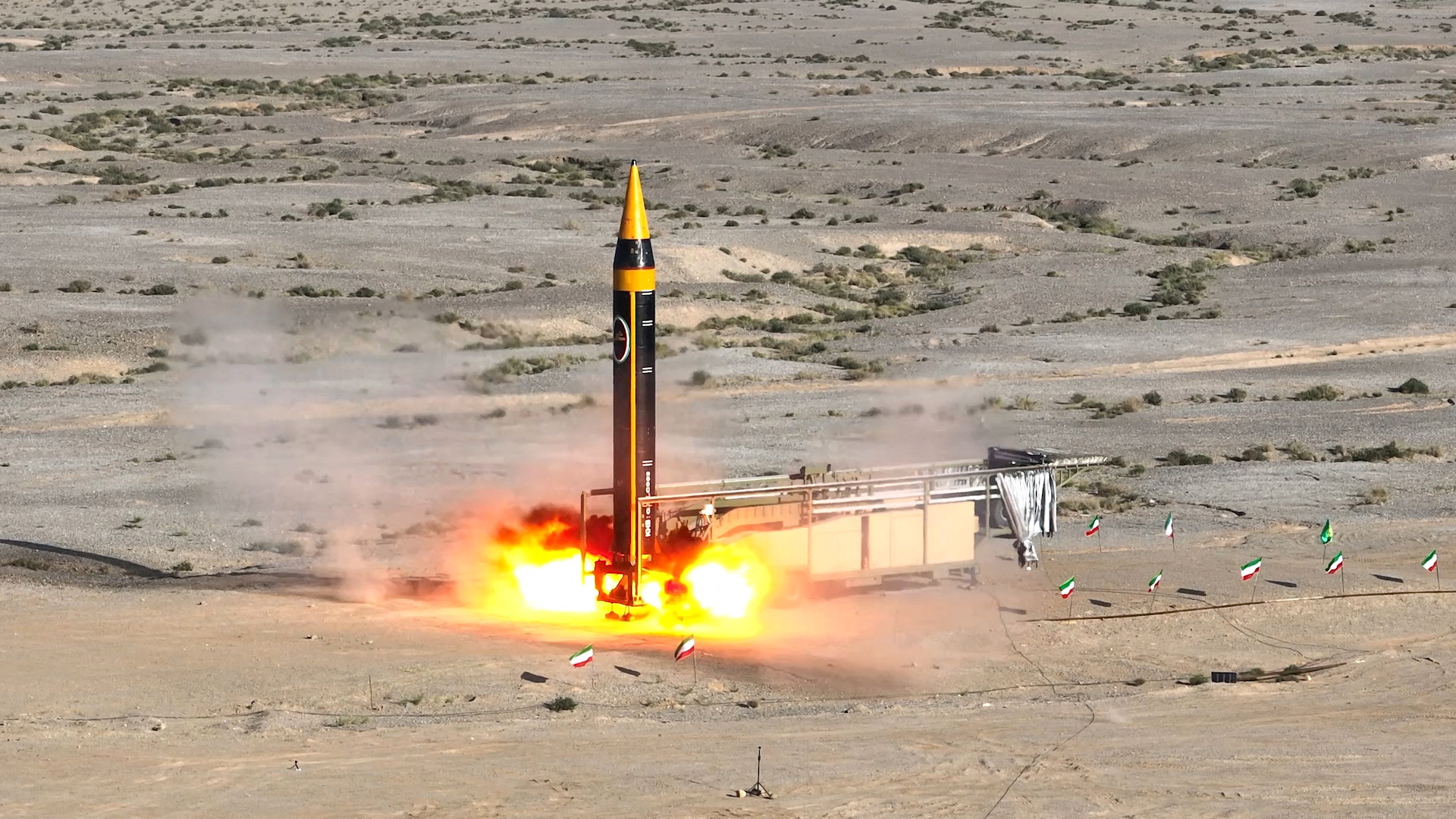
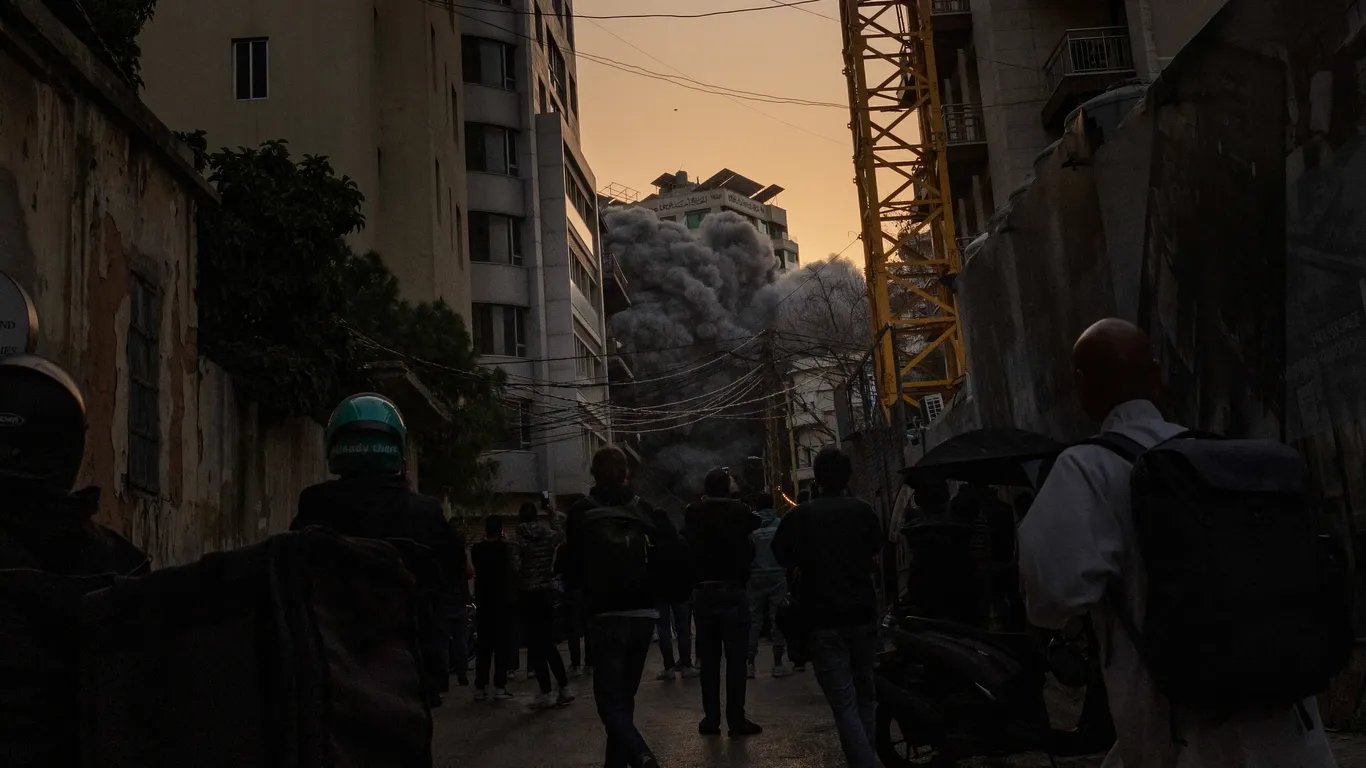
For example, the sources report that the damage to the THAAD radar system at the air base in Jordan is part of a broader pattern of Iranian strikes targeting U.S. military assets.