




Direct strikes break through Israel's defenses
Iranian ballistic missiles struck the southern Israeli towns of Arad and Dimona on Saturday evening, injuring at least 180 people in what Iran described as retaliation for an Israeli attack on its Natanz nuclear enrichment facility. The Israel Defense Forces said they intercepted 92 percent of the roughly 400 missiles Iran has fired since the war began on February 28, yet failed to stop these particular projectiles.
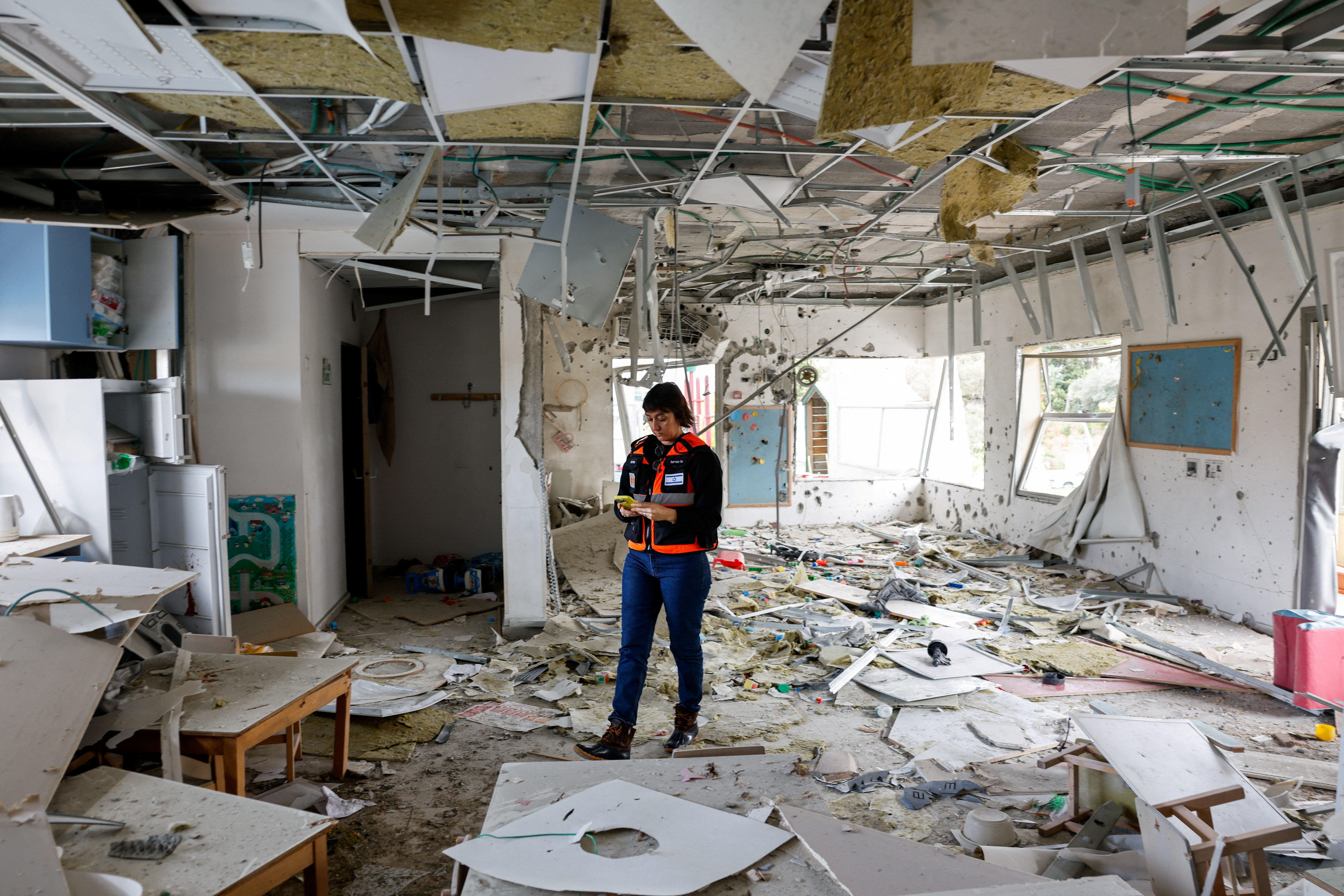
The two direct hits devastated residential areas. In Arad, missiles sheared the façades off several apartment blocks and carved craters into streets. In Dimona, located about 13 kilometers from Israel's main nuclear research center, similar destruction occurred. A paramedic in Arad, Naram Zaid, told the BBC she treated "a lot of children with head and chest injuries" after being crushed by objects inside a damaged building. She described reassuring a 10-year-old girl with head injuries and blood on her face from broken glass before her parents could be evacuated from their destroyed apartment.
The International Atomic Energy Agency reported no abnormal radiation levels following the strikes and said it was not aware of any damage to the nuclear research facility itself. However, Iran's state media said the strikes targeted the nuclear site in retaliation for the Natanz attack, which Iran's Atomic Energy Organisation said violated the Treaty on the Non-Proliferation of Nuclear Weapons.
Why the missiles succeeded
Israel's failure to intercept the missiles raises questions about the country's defense capabilities. Lt. Col. Nadav Shoshani, the IDF's international spokesperson, acknowledged the limitation while visiting the Arad impact site. "Even the best defense in the world isn't perfect," he said, adding that Israeli forces had "diminish and degrade their capabilities significantly" with Iranian firepower down "by 80% to 90%."
Defense analysts attributed the successful strikes partly to Iran's use of cluster munitions, which disperse multiple bomblets rather than single warheads. For an interception to succeed, it must occur before the payload opens and releases submunitions. Once the payload opens, a single missile becomes multiple points of attack, making it far harder to stop. Uzi Rubin, founding director of Israel's missile defense programme, explained that Iranian cluster warheads may contain 20 to 30 bomblets or 70 to 80, depending on the missile type.
The Times of Israel reported that the Israeli air force had begun conserving interceptors, with military officials saying cluster bombs are unlikely to cause significant harm if people shelter indoors and therefore some may be allowed to pass through.
The human toll widens
The strikes shattered an Israeli public that had endured comparatively few casualties over the previous three weeks. David, a 39-year-old resident of Arad who gave only his first name, described the impact as "a very shocking boom, something that we haven't heard before." He credited Israel's early warning system with saving his life by sending him to a bomb shelter. "It was a big miracle here, and thank God there was no killing of people," he said, though he acknowledged the fear. "Of course it's not nice, we're afraid. But the job needs to be done."
The broader casualty picture reflects the war's asymmetry. More than 1,000 people have been killed in Lebanon amid renewed fighting between Israel and Hezbollah. According to the Ministry of Health, at least 4,564 people have been wounded in Israel since February 28, according to Al Jazeera.
Prime Minister Benjamin Netanyahu visited the impact sites on Sunday alongside President Isaac Herzog. Netanyahu said his country had a "very difficult evening in the battle for our future." Opposition leader Yair Lapid pointed to the damage to residential buildings as evidence that Iran deliberately targets civilians. "Look around you. Do you see any military sites or facilities around? What they're doing is trying to kill as many civilians as possible," Lapid said.
The conflict escalates toward infrastructure
The strikes mark a shift in the conflict's trajectory. Iran's defense ministry warned it would target energy infrastructure across the region if the United States or Israel attacked Iranian power plants. On Saturday at 23:44 GMT, President Donald Trump responded on Truth Social with a threat: "If Iran doesn't FULLY OPEN, WITHOUT THREAT, the Strait of Hormuz, within 48 HOURS from this exact point in time, the United States of America will hit and obliterate their various POWER PLANTS, STARTING WITH THE BIGGEST ONE FIRST."
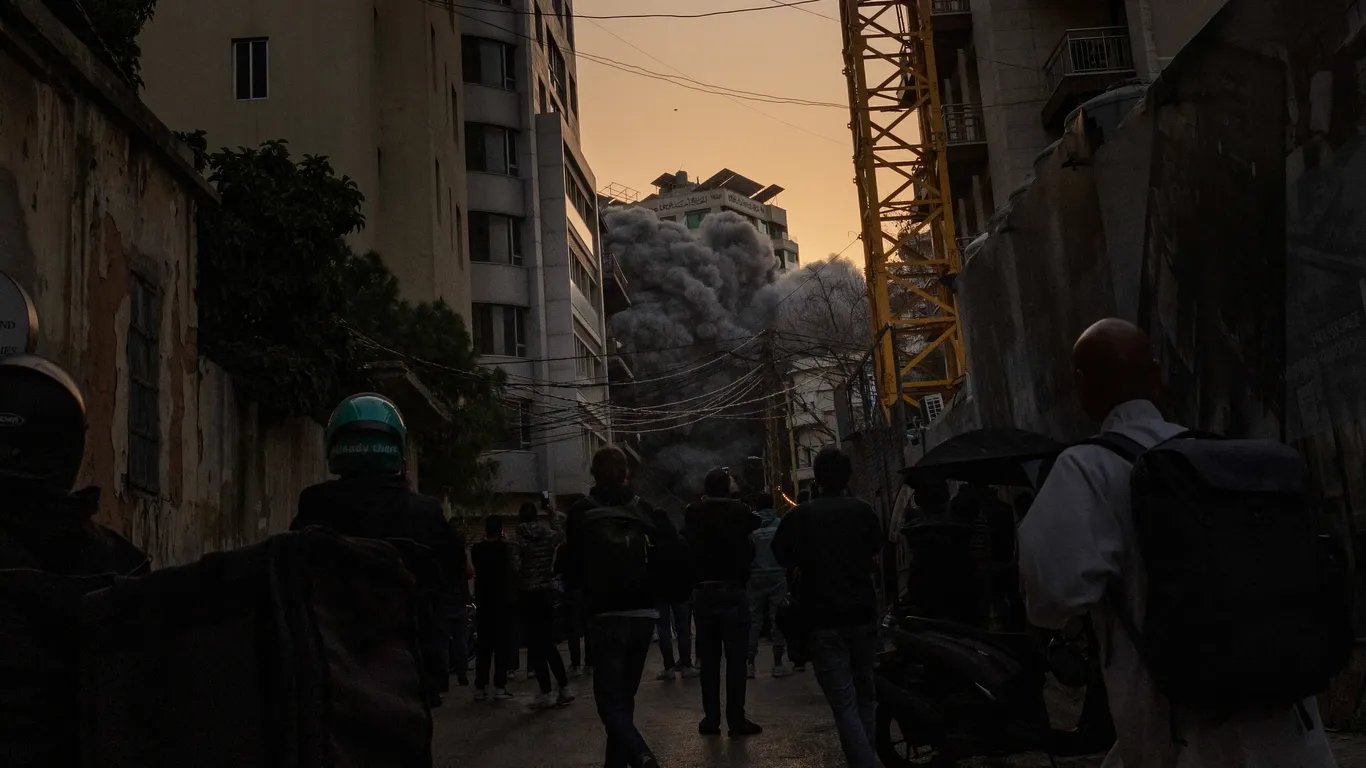
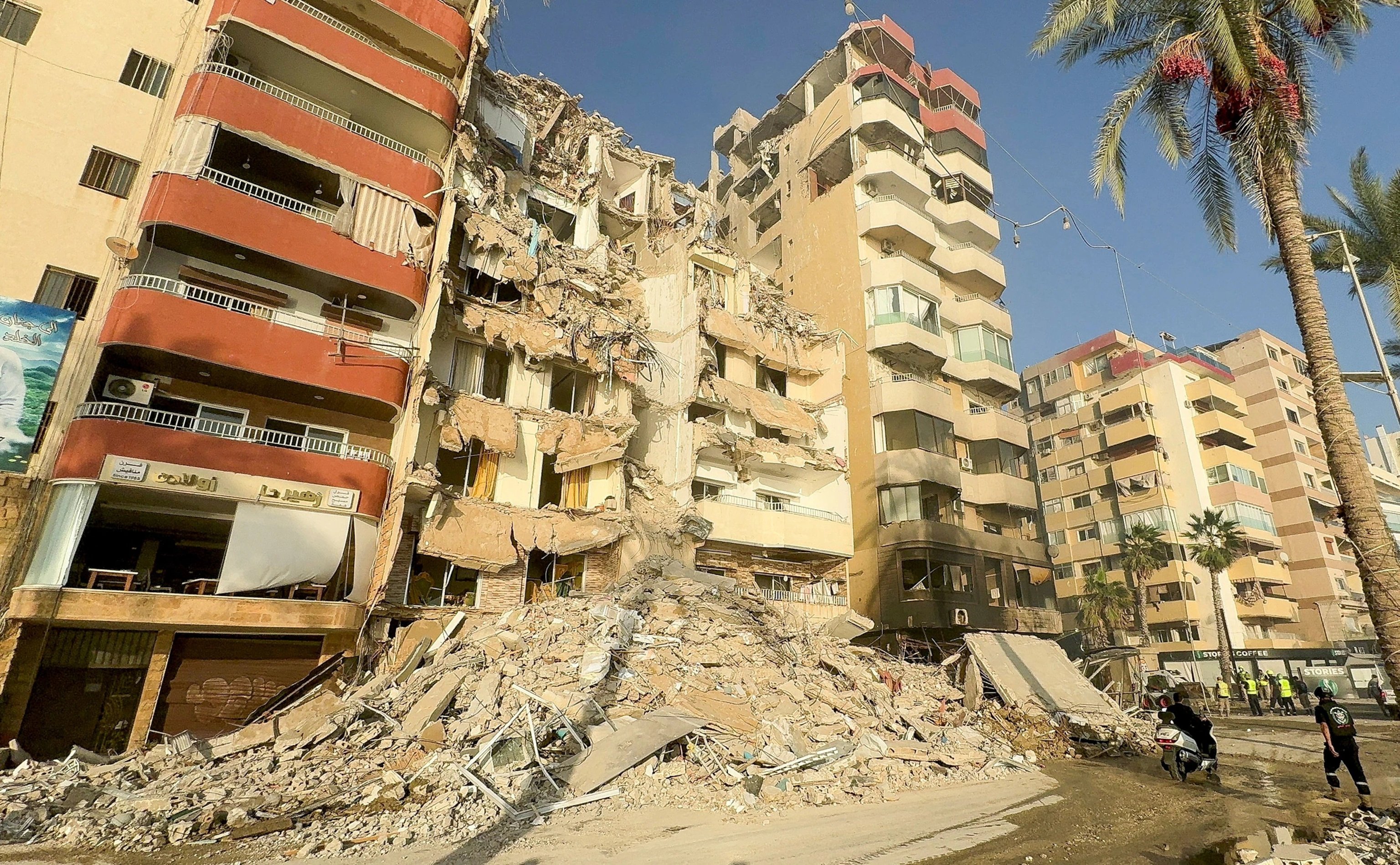
Israel's Defense Minister Israel Katz ordered troops to destroy more bridges and buildings in southern Lebanon, stoking worries that Israel was widening a military-controlled buffer zone there, according to the New York Times. The Qasmiyeh Bridge over the Litani River was struck by Israeli jets, and in the Lebanese city of Nabatieh, paramedics and residents face near-constant airstrikes as Israel targets areas it says are linked to Hezbollah.
The IDF acknowledged that interceptor debris from seven successful interceptions on Sunday caused as many as 15 injuries in Tel Aviv. In the northern Israeli town of Misgav Am, one man was killed when Hezbollah artillery struck his car.