



Iranian Missiles Breach Israeli Air Defenses
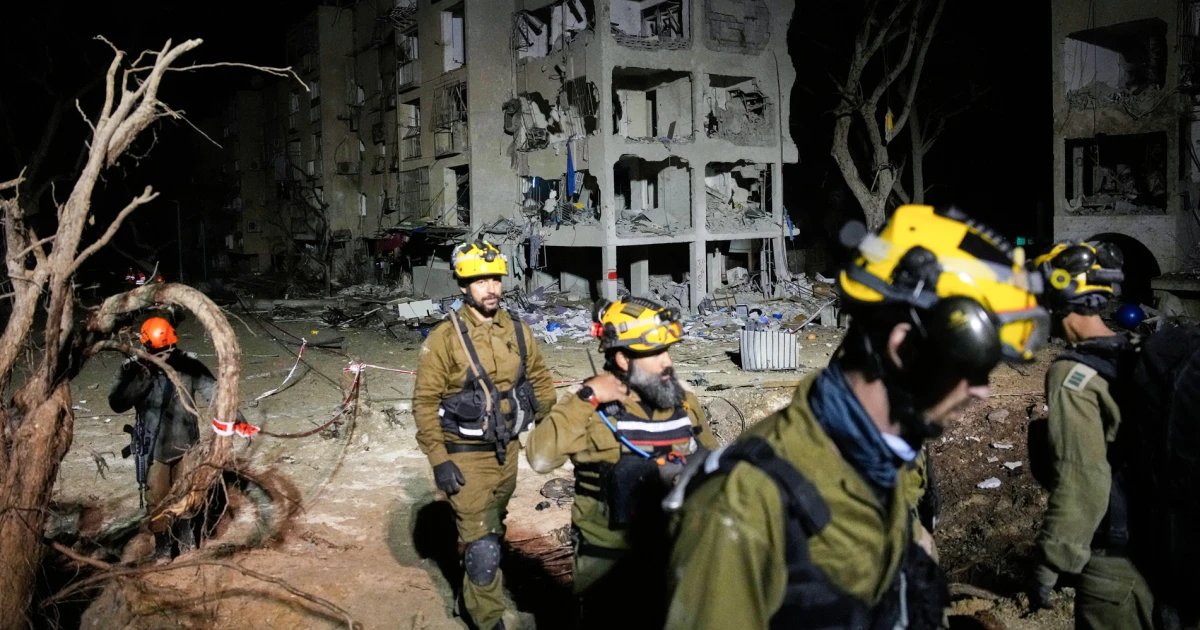
Iranian ballistic missiles struck the towns of Arad and Dimona in the Negev desert on Saturday, injuring more than 115 people. The strike on Dimona, located near Israel's main nuclear research center, marked the first time the facility had been targeted since the war with Iran began three weeks ago. Israeli emergency services reported at least 64 injured in Arad alone, with seven hospitalized in serious condition, 15 in moderate, and 42 in mild condition. The Israel Defense Forces said it would investigate the interception failures.
Prime Minister Benjamin Netanyahu visited the Arad impact site and told reporters that no deaths occurred "due to luck." He said Iran had deliberately targeted civilians, describing the strikes as "a mass murder weapon." Netanyahu called on world leaders to join Israel and the United States in the war against Iran, saying he could see "some of them beginning to move in that direction but more is needed."
The strikes highlighted the fallibility of Israel's air defenses. Lt. Col. Nadav Shoshani, the IDF's international spokesperson, acknowledged that "even the best defense in the world isn't perfect" while stating that Israeli forces had intercepted 92 percent of incoming Iranian projectiles and degraded Iranian firepower by 80 to 90 percent.

The sources also report that falling debris from at least seven interceptions caused as many as 15 injuries in Tel Aviv.

For example, Lt. Col. Nadav Shoshani, the IDF's international spokesperson, said that in the early days of the war, Iran fired missiles in the "triple digits," but more recently, some days have seen "single digits."
Lebanon's South Cut Off From the North
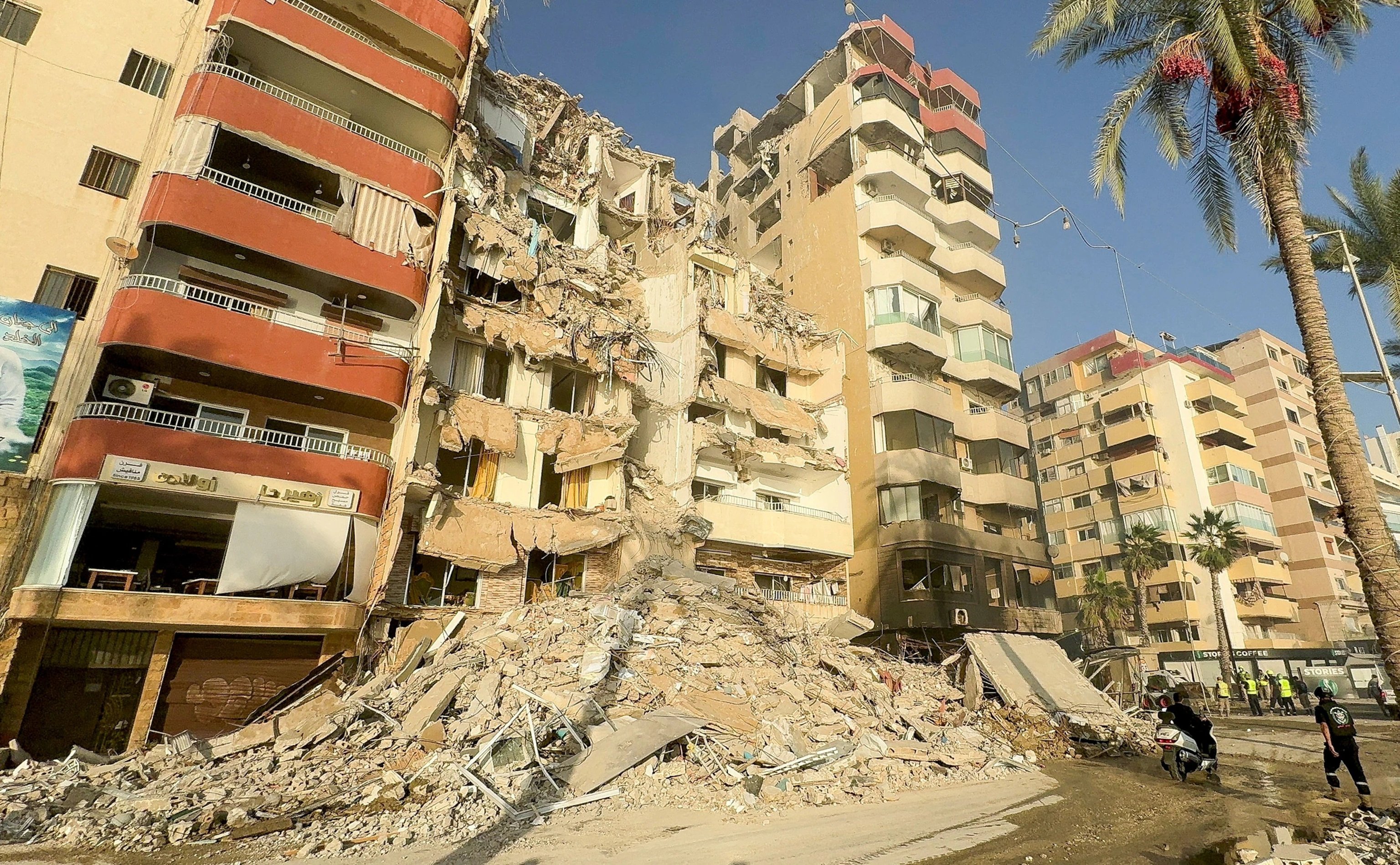
Israeli Defense Minister Israel Katz ordered the military to destroy all bridges crossing the Litani River and to demolish homes in border villages. The river lies approximately 30 kilometers from the Lebanon-Israel border.
Katz said the strategy mirrored methods used in Gaza, where Israel created buffer zones by clearing and demolishing buildings near the border. The Israeli military chief, Lieutenant General Eyal Zamir, said the operation against Hezbollah "has only begun" and would be "prolonged," with plans approved "to advance the targeted ground operations and strikes according to an organised plan."
Lebanon's President Joseph Aoun called the bridge strikes a "prelude to a ground invasion" and a "policy of collective punishment against civilians." He warned the attacks could be part of "suspicious schemes" to establish a buffer zone and expand Israeli presence in Lebanese territory.
Humanitarian Consequences of Infrastructure Destruction
Ramzi Kaiss, a Lebanon researcher at Human Rights Watch, told Reuters that wholesale destruction of homes would constitute wanton destruction under international law, a war crime. He warned that if all bridges over the Litani are destroyed and the southern region becomes isolated, "the civilian harm is going to be so immense that you have a humanitarian catastrophe as people still living in the south won't be able to access food, medicine and other basic needs."
The Lebanese government has vowed to disarm Hezbollah but ruled out using military force, with President Aoun warning that such action could exacerbate sectarian divisions. France's Foreign Minister Jean-Noel Barrot expressed reservations about a ground operation of "significant scale and duration" after meeting with Israeli counterpart Gideon Saar in Jerusalem on Friday.

The sources report that at least 40 people were injured in the strike on Dimona, which is not specified in the summary.