




Military Escalation and Energy Disruptions
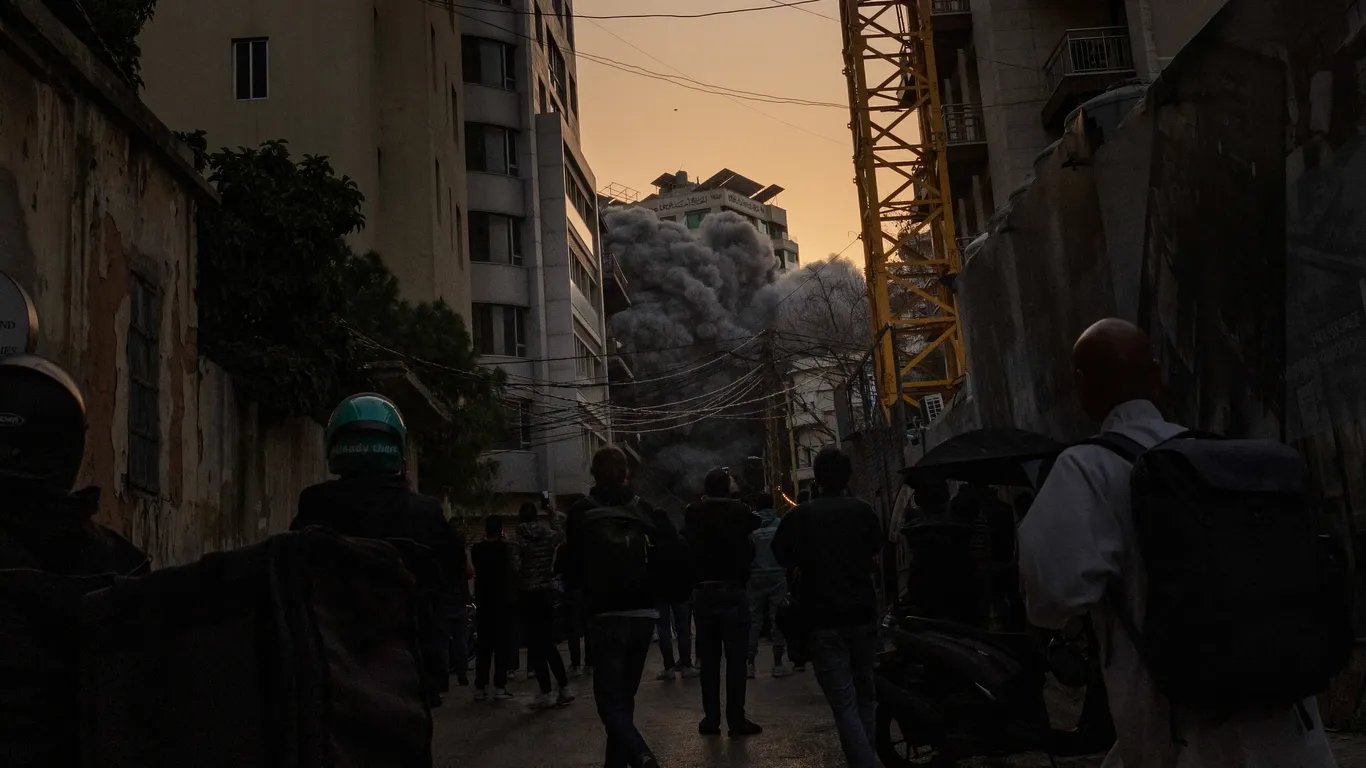
Israel launched strikes on Tehran early Friday as Iran attacked oil facilities in Kuwait and Qatar, extending the conflict into its fourth week. Iranian drones ignited fires at Kuwait's Mina Al-Ahmadi refinery, damaging operational units with no reported injuries. These exchanges disrupted global energy supplies, with QatarEnergy stating that 17% of its LNG export capacity at Ras Laffan would need three to five years for repairs, potentially raising fuel costs for households worldwide.
Netanyahu's Position on the Conflict
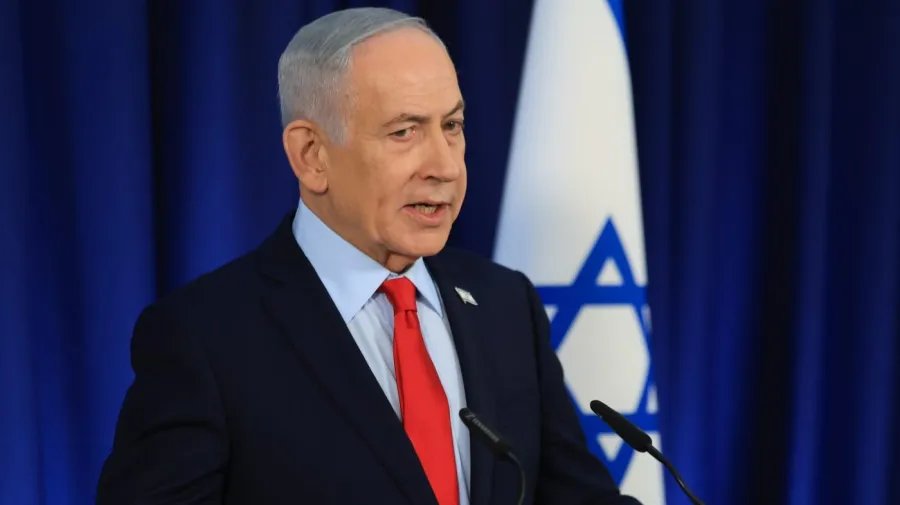
Israeli Prime Minister Benjamin Netanyahu said at a press conference Thursday that Israel acted alone in striking Iran's South Pars gas field. Netanyahu said Israel would "hold off on future attacks" following a request from President Trump, who complained about the strike's impact on energy markets. This decision came amid claims from Netanyahu that Iran "has no ability to enrich uranium" or produce ballistic missiles, though International Atomic Energy Agency Director-General Rafael Mariano Grossi noted that parts of Iran's nuclear program likely remain intact.
Damage to Key Facilities
Iran's attacks targeted multiple Gulf energy sites, including strikes on Kuwait's largest oil refinery that sparked blazes requiring firefighter intervention. Qatar's Ras Laffan plant sustained "significant damage," according to its operators, affecting a facility that produces about a fifth of the world's LNG. These incidents followed Israel's bombing of South Pars, which rattled markets and led to Brent crude oil prices briefly topping $119 per barrel on Thursday.
Economic Impact on Daily Life
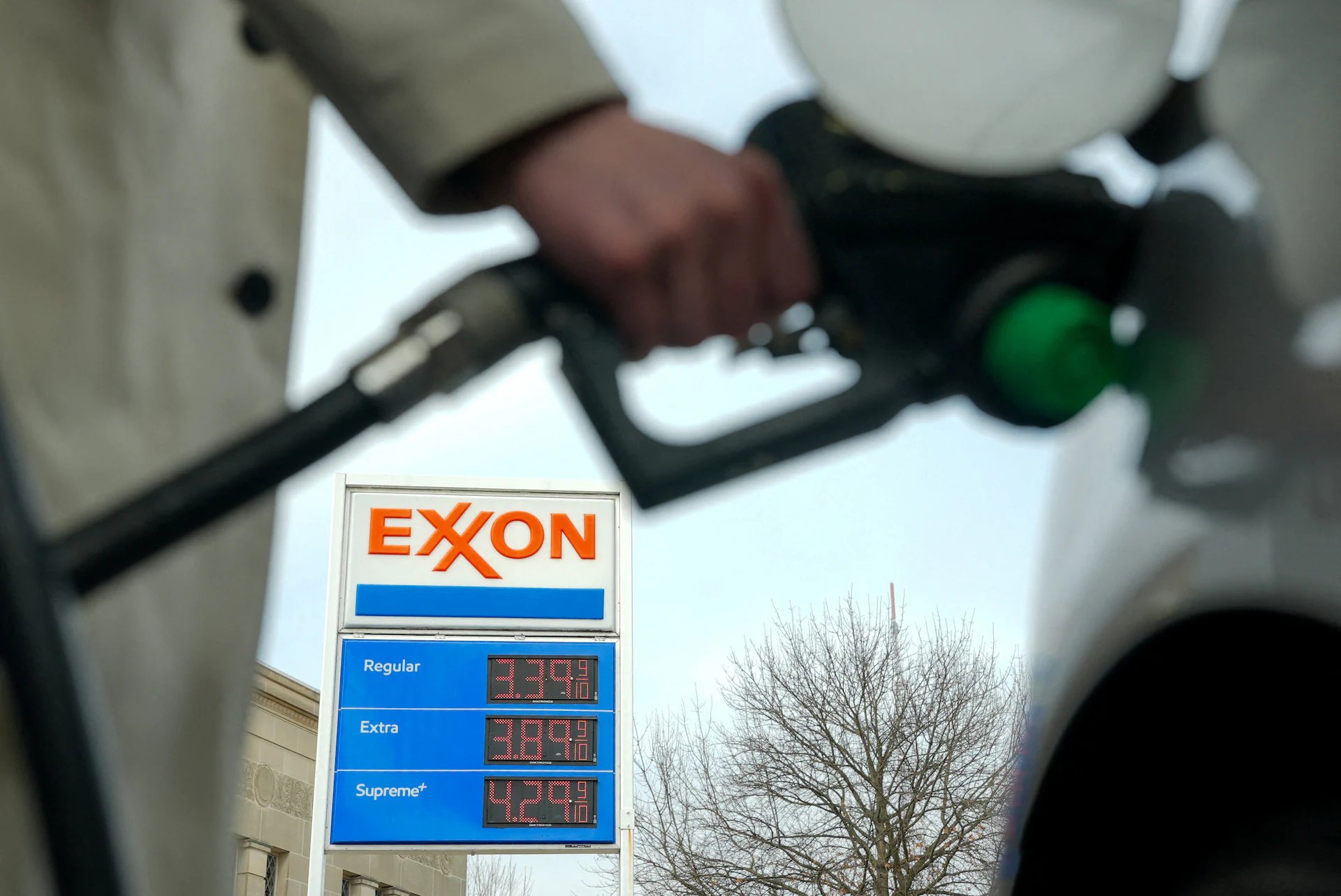
Every 1-cent increase in gasoline prices reduces consumer spending by $1.5 billion annually, as stated by Oxford Economics chief global economist Ryan Sweet. Gasoline prices reached $3.88 per gallon on Thursday, up almost $1 since the war began, squeezing household budgets and potentially leading to higher food and shipping costs. Analysts from TD Securities warned that if disruptions continue, oil prices could climb toward $200 per barrel, which could force businesses to cut jobs and households to reduce discretionary purchases.
Gulf Nations' Strategic Choices
Gulf state leaders, including Saudi Foreign Minister Prince Faisal bin Farhan Al Saud, discussed the war at a Riyadh meeting, with Iran timing strikes to intimidate attendees. The UAE, which has detected 1,714 drones and 334 ballistics from Iran, expressed anger over how the conflict has unfolded. Oman also expressed frustration with the escalation. Iranian Foreign Minister Abbas Araghchi warned that Tehran used only a "fraction" of its power in retaliation, indicating potential for further escalation if energy sites face more strikes, which could draw neighbors into the fight and disrupt regional stability.
As oil prices climb, consumers face immediate choices like seeking alternative transportation or adjusting budgets, highlighting how this conflict ripples into everyday finances and global supply chains.