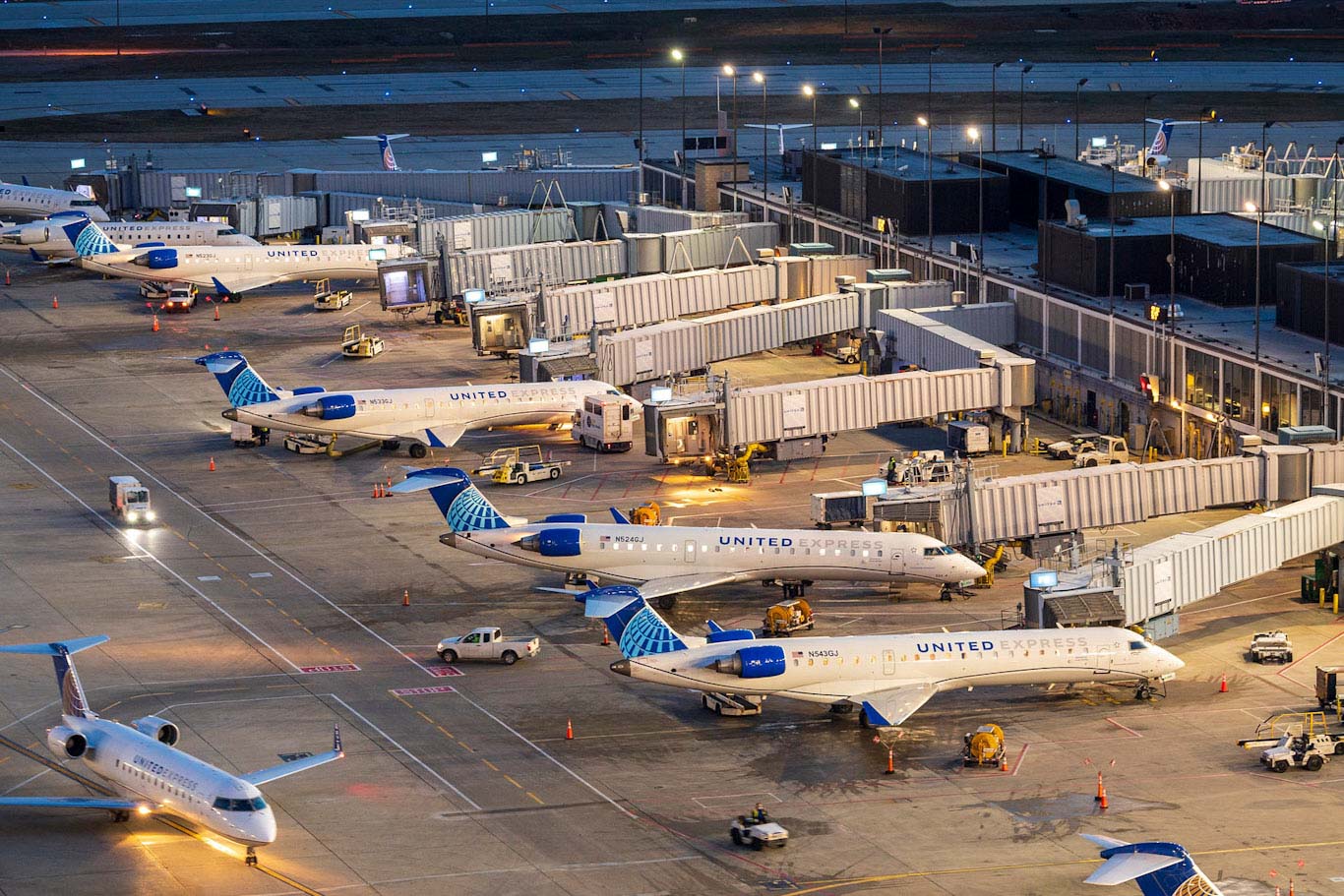
JetBlue Airways has announced an increase in checked baggage fees, responding to rising operational costs linked to soaring fuel prices. The airline will now charge $40 for the first checked bag and $75 for the second, a jump from the previous rates of $35 and $60, respectively.
The fee increase means that passengers will face higher costs when traveling, potentially affecting their travel plans and budgets. Families, in particular, may feel the pinch as the costs associated with air travel continue to rise.
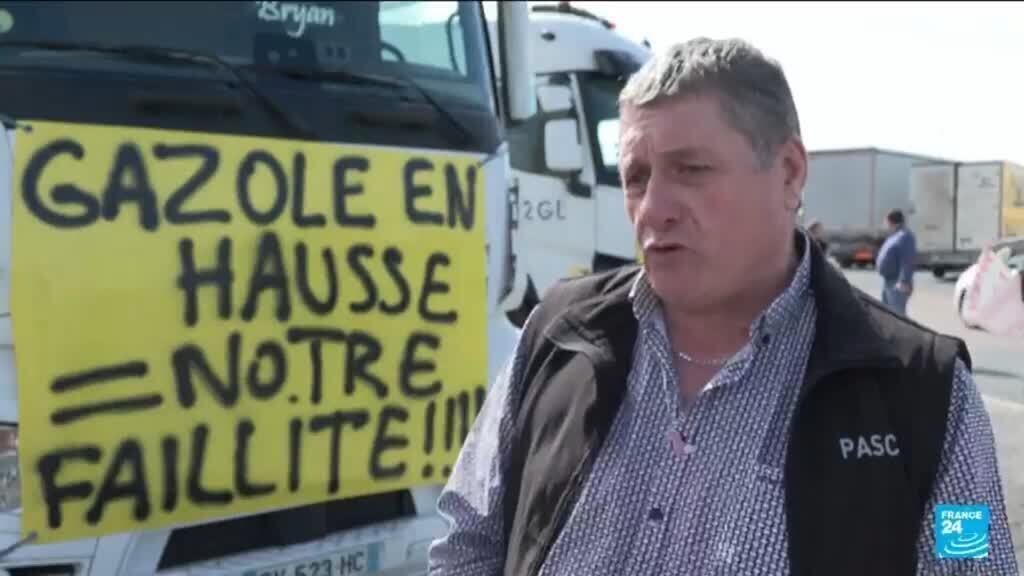
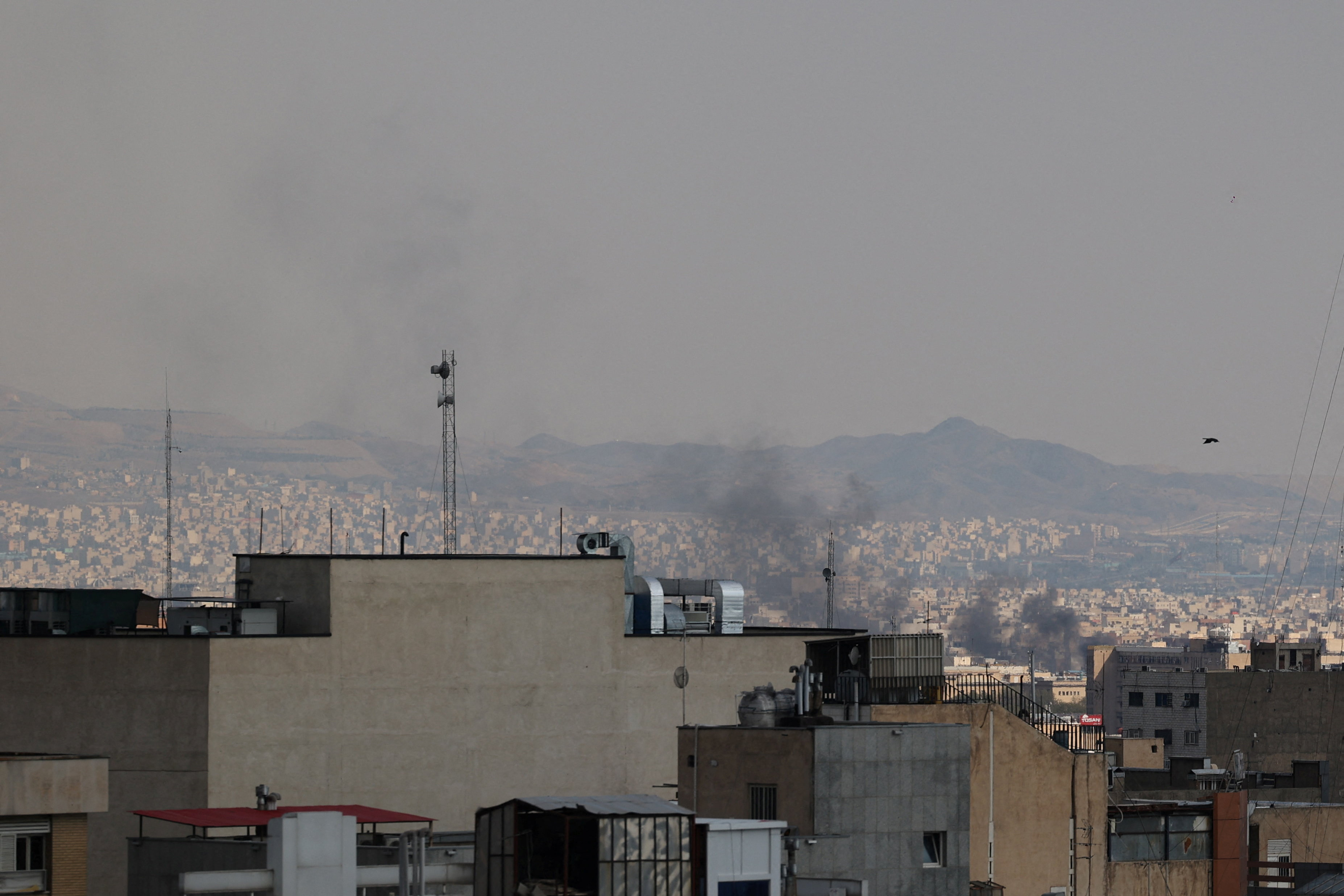
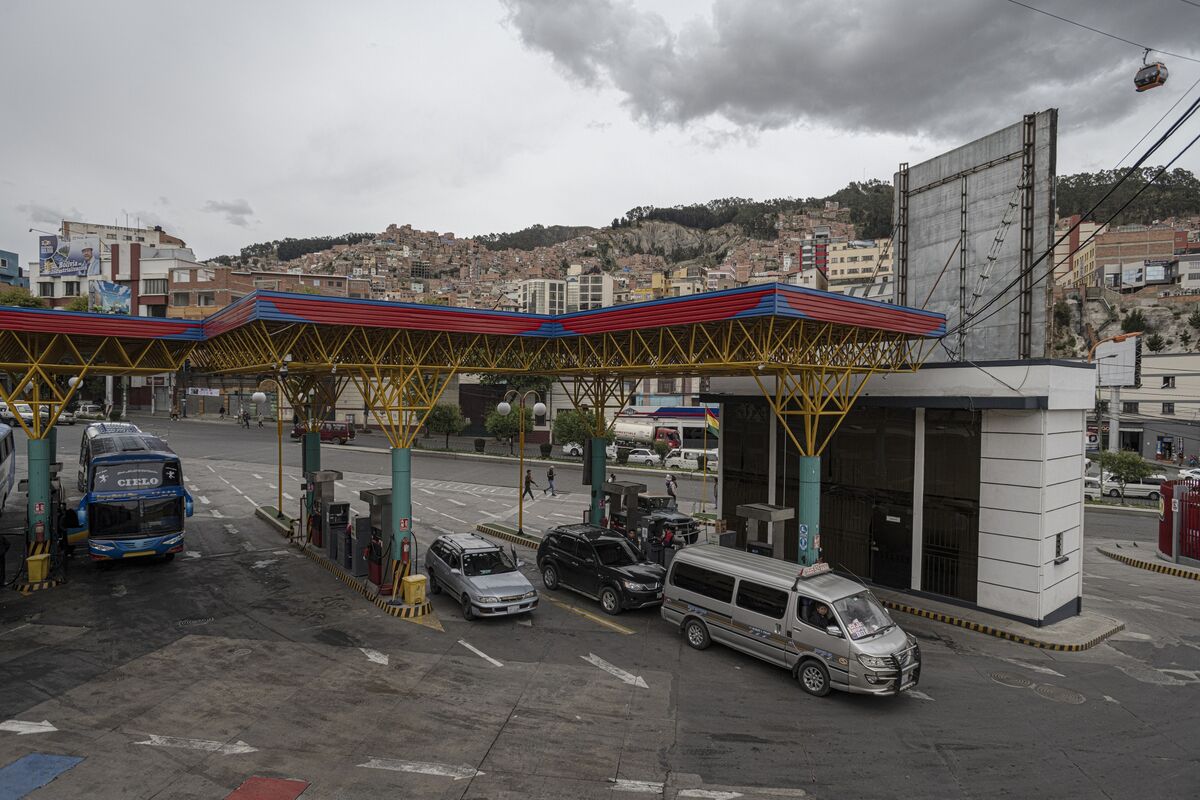
JetBlue's decision comes amid a broader trend of rising operational expenses in the airline industry, influenced by global economic conditions. Fuel prices have surged significantly, driven in part by geopolitical tensions, including conflicts in the Middle East. This situation mirrors other sectors affected by rising fuel costs, as demonstrated by ongoing protests from French truck drivers demanding government support to cope with similar increases.
Airline industry experts suggest that JetBlue's fee hike may not be an isolated incident. Other airlines could follow suit as they grapple with the same pressures from rising fuel costs. "As operational costs continue to climb, we may see more airlines adopting similar measures," said aviation analyst Sarah Johnson.
Travelers are expected to adjust their behaviors in response to these increases. Some may opt for airlines that offer lower fees or explore alternative travel methods, such as trains or buses, especially for shorter trips.
As JetBlue implements these changes, passengers should consider their travel options and budget accordingly. Travelers can mitigate some costs by researching airlines that offer competitive baggage fees or by packing lighter to avoid checked bag charges altogether.
JetBlue Airways has announced an increase in checked baggage fees, responding to rising operational costs linked to soaring fuel prices. The airline will now charge $40 for the first checked bag and $75 for the second, a jump from the previous rates of $35 and $60, respectively. This change takes effect immediately, impacting travelers who book flights in the coming weeks.
The fee increase means that passengers will face higher costs when traveling, potentially affecting their travel plans and budgets. With fuel prices showing no signs of declining, the added baggage fees could discourage some travelers from flying or lead them to reconsider their packing strategies. Families, in particular, may feel the pinch as the costs associated with air travel continue to rise.
JetBlue's decision comes amid a broader trend of rising operational expenses in the airline industry, influenced by global economic conditions. Fuel prices have surged significantly, driven in part by geopolitical tensions, including conflicts in the Middle East. This situation mirrors other sectors affected by rising fuel costs, as demonstrated by ongoing protests from French truck drivers demanding government support to cope with similar increases.
Airline industry experts suggest that JetBlue's fee hike may not be an isolated incident. Other airlines could follow suit as they grapple with the same pressures from rising fuel costs. “As operational costs continue to climb, we may see more airlines adopting similar measures,” said aviation analyst Sarah Johnson. This sentiment reflects a growing concern among travelers about the sustainability of affordable air travel.
Travelers are expected to adjust their behaviors in response to these increases. Some may opt for airlines that offer lower fees or explore alternative travel methods, such as trains or buses, especially for shorter trips. The cumulative effects of these fee increases could lead to a decline in air travel demand, particularly as summer approaches and families plan vacations.
As JetBlue implements these changes, passengers should consider their travel options and budget accordingly. Travelers can mitigate some costs by researching airlines that offer competitive baggage fees or by packing lighter to avoid checked bag charges altogether. Keeping an eye on fuel price trends may also provide insights into potential future changes in airline pricing strategies.
Highlighted text was flagged by the council. Tap to see feedback.