



Landmark Ruling on Press Freedom
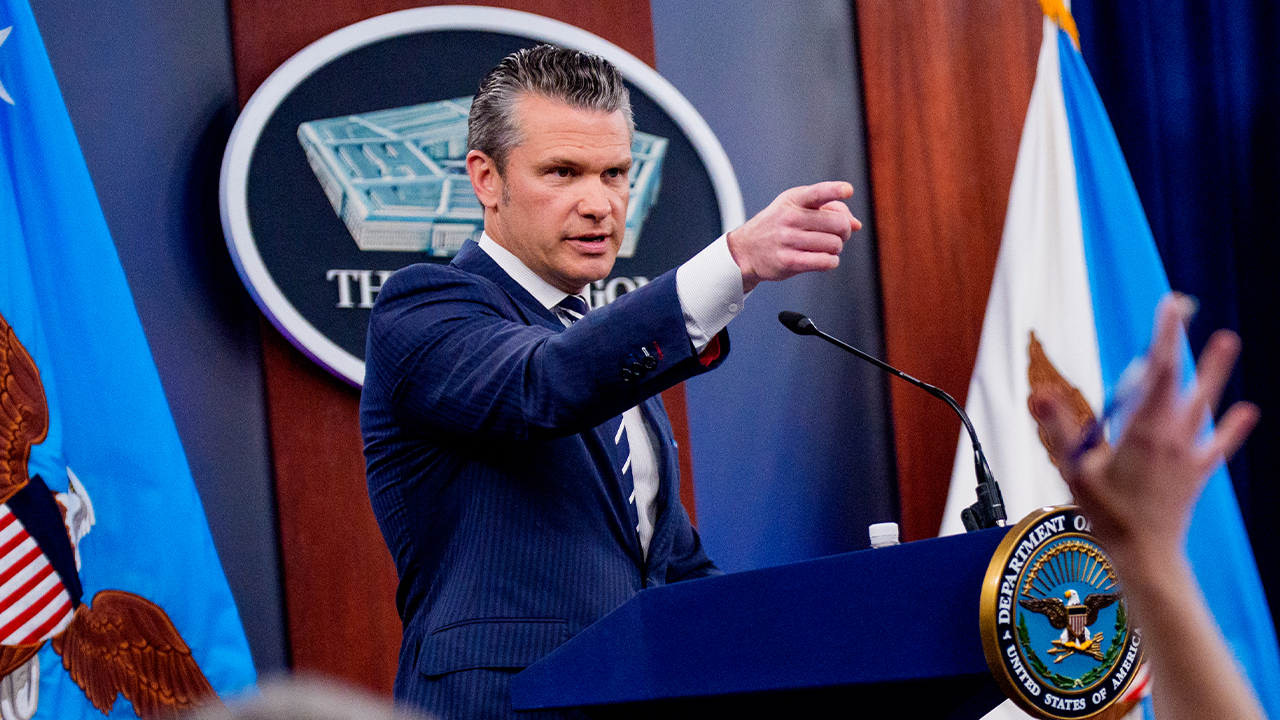
A federal judge in Washington, D.C., has ruled against a Pentagon policy that restricted journalists' ability to report on military activities, declaring it unconstitutional. U.S. District Judge Paul L. Friedman sided with The New York Times, which filed a lawsuit arguing that the policy violated the First and Fifth Amendments. The Pentagon's restrictions prompted widespread backlash from press freedom advocates and led several media organizations, including NPR and CBS News, to relinquish their press passes.
Policy Details and Impact
Many outlets refused to comply with the policy, which they argued could restrict journalists from interacting with sources without the government's permission. Judge Friedman emphasized that the First Amendment exists to empower the press to publish information in the public interest without official constraints, stating, "Those who drafted the First Amendment believed that the nation's security requires a free press and an informed people."
Critique of the Pentagon's Approach
Judge Friedman criticized the Pentagon's policy for its vagueness and potential for viewpoint discrimination. He noted that the restrictions effectively created a chilling effect on journalistic inquiry, stating, "One could easily predict that journalists would opt not to ask any questions rather than risk losing their credentials." The judge also highlighted that right-wing influencer Laura Loomer was allowed access to the Pentagon despite setting up a "tip line," while a similar request from The Washington Post was deemed inappropriate.

For example, Judge Friedman pointed out that the Pentagon's policy allowed right-wing influencer Laura Loomer access despite her setting up a 'tip line,' while The Washington Post's similar request was deemed inappropriate.

The sources also report that during a court hearing, Judge Friedman questioned Justice Department attorneys about why right-wing influencer Laura Loomer's tip line was permitted while The Washington Post's similar request was not.
Responses from Key Players
In response to the ruling, Pentagon spokesman Sean Parnell announced plans to appeal, asserting that the department disagrees with the decision. A spokesperson for The New York Times welcomed the ruling, stating, "Americans deserve visibility into how their government is being run." The Pentagon Press Association also celebrated the decision, calling for the immediate reinstatement of credentials for all affected reporters.
Broader Implications for Press Access
Judge Friedman emphasized the importance of press access to information about military operations, noting the country's recent incursion into Venezuela and ongoing war with Iran as examples where public understanding is essential. Judge Friedman pointed out that public access to diverse perspectives is essential for informed citizenry, particularly regarding national security issues. He remarked on the importance of press freedom throughout history, referencing past military conflicts where public understanding was vital.
Next Steps for Media Organizations
The judge's ruling not only reinstates access for The New York Times but also sets a precedent for other outlets that have refrained from complying with the restrictive policy. The outcome of the appeal will likely shape the future of military journalism and the overall landscape of press freedom in the United States.

The sources also report that Judge Friedman found the policy engages in viewpoint discrimination, pointing to Defense Secretary Pete Hegseth and other Pentagon officials publicly criticizing mainstream media outlets in harsh terms while being warmer to supportive outlets.