Reports indicate the Trump administration aims to build a centralized database containing intimate details about residents, including immigration data and Social Security numbers. Lauren Harper, Freedom of the Press Foundation's first Daniel Ellsberg Chair on Government Secrecy, highlighted how this tool enables AI-driven surveillance. The administration's goal is to create detailed reports on every American, potentially for political purposes, including retaliation, harassment, and imprisonment.
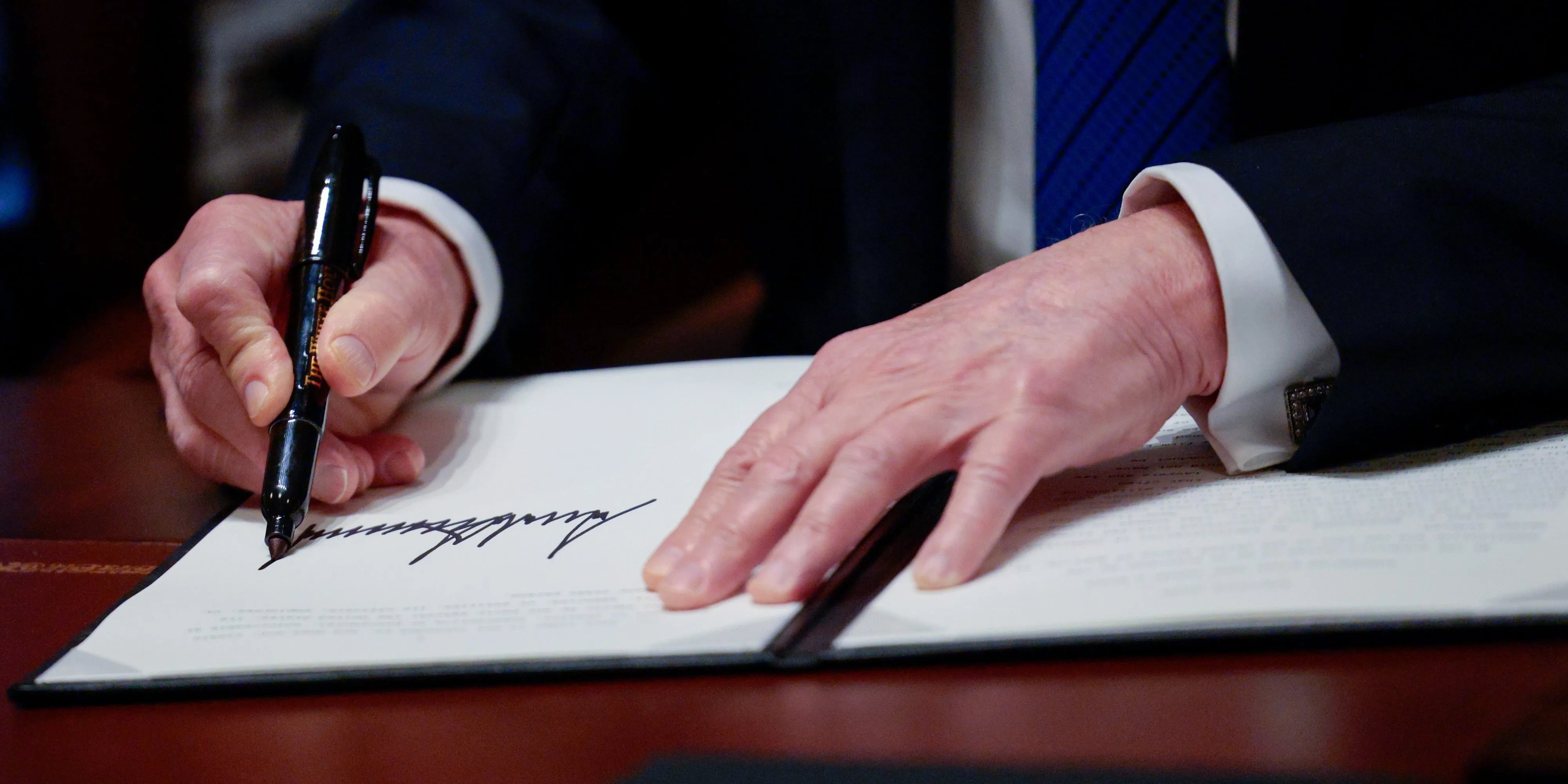
President Donald Trump issued an executive order one year ago titled "Stopping Waste, Fraud, and Abuse by Eliminating Information Silos." The order mandates agency heads to submit reports to the Office of Management and Budget on data-sharing practices. The order weakened privacy protections that previously limited data exchange to essential cases, enabling a massive data-mining operation.
Freedom of the Press Foundation is suing the administration for the undisclosed reports submitted to the Office of Management and Budget. Ginger Quintero-McCall, a public records attorney with the Free Information Group, stated, "'Information silos' aren't an inefficiency. They are a bulwark against the exact kind of abuses." Kevin Bell, a counselor at the same group, added, "This threat to Americans' very right to an individual identity has never been so dire."
The centralized database compiles sensitive information like health and finances, creating a target for hackers and foreign adversaries. The administration has pulled data on climate, immigration, and federal spending from public view, turning government operations into a one-way mirror. This setup affects everyday Americans by exposing their personal histories to potential misuse, as the Free Information Group warns of unaccountable access risks.
The Trump administration is building a centralized database with intimate details about residents, including immigration data and Social Security numbers. Lauren Harper, Freedom of the Press Foundation’s first Daniel Ellsberg Chair on Government Secrecy, highlighted how this tool enables AI-driven surveillance. This setup allows the government to analyze personal information for potential harassment or imprisonment.
President Donald Trump issued an executive order one year ago titled “Stopping Waste, Fraud, and Abuse by Eliminating Information Silos.” The order mandates agency heads to submit reports to the Office of Management and Budget on data-sharing practices. It dismantles privacy protections that previously limited data exchange to essential cases, paving the way for a massive data-mining operation.
Freedom of the Press Foundation is suing the administration for the undisclosed reports submitted to the Office of Management and Budget. Ginger Quintero-McCall, a public records attorney with the Free Information Group, stated, “‘Information silos’ aren’t an inefficiency. They are a bulwark against the exact kind of abuses.” Kevin Bell, a counselor at the same group, added, “This threat to Americans’ very right to an individual identity has never been so dire.”
The Department of Homeland Security is rapidly increasing its surveillance capabilities while the administration deploys AI to process harvested data. Meanwhile, World, the company behind World ID, has verified nearly 18 million unique humans through iris scans on nearly 1,000 physical orbs. World launched a beta of Agent Kit, which ties these identities to AI agents using the x402 protocol supported by CloudFlare and Coinbase.
The centralized database compiles sensitive information like health and finances, creating a target for hackers and foreign adversaries. The administration has pulled data on climate, immigration, and federal spending from public view, turning government operations into a one-way mirror. This setup affects everyday Americans by exposing their personal histories to potential misuse, as the Free Information Group warns of unaccountable access risks.
Highlighted text was flagged by the council. Tap to see feedback.








The sources also report that the executive order was described as a way to target fraud within a supposedly bloated government, contradicting its actual implications for privacy.