Kazakhstan's New Constitution Approved in Referendum, Raising Concerns Over Civil Liberties
Revised after bias review
 Council News





Kazakhstan approves new constitution in referendum, indicating a significant political change in the country.
Kazakhstan approved a new constitution in a referendum, representing a concrete constitutional change in governance.
Kazakhstan's approval of a new constitution in a referendum marks a significant political change that could affect governance and civil rights in the country.
Kazakhstan approved a new constitution via referendum, changing the country's legal framework and affecting citizens' rights and governance structures.
Kazakh voters adopted a new constitution in a referendum, fundamentally altering the balance of executive and legislative power and term limits, a concrete political change.
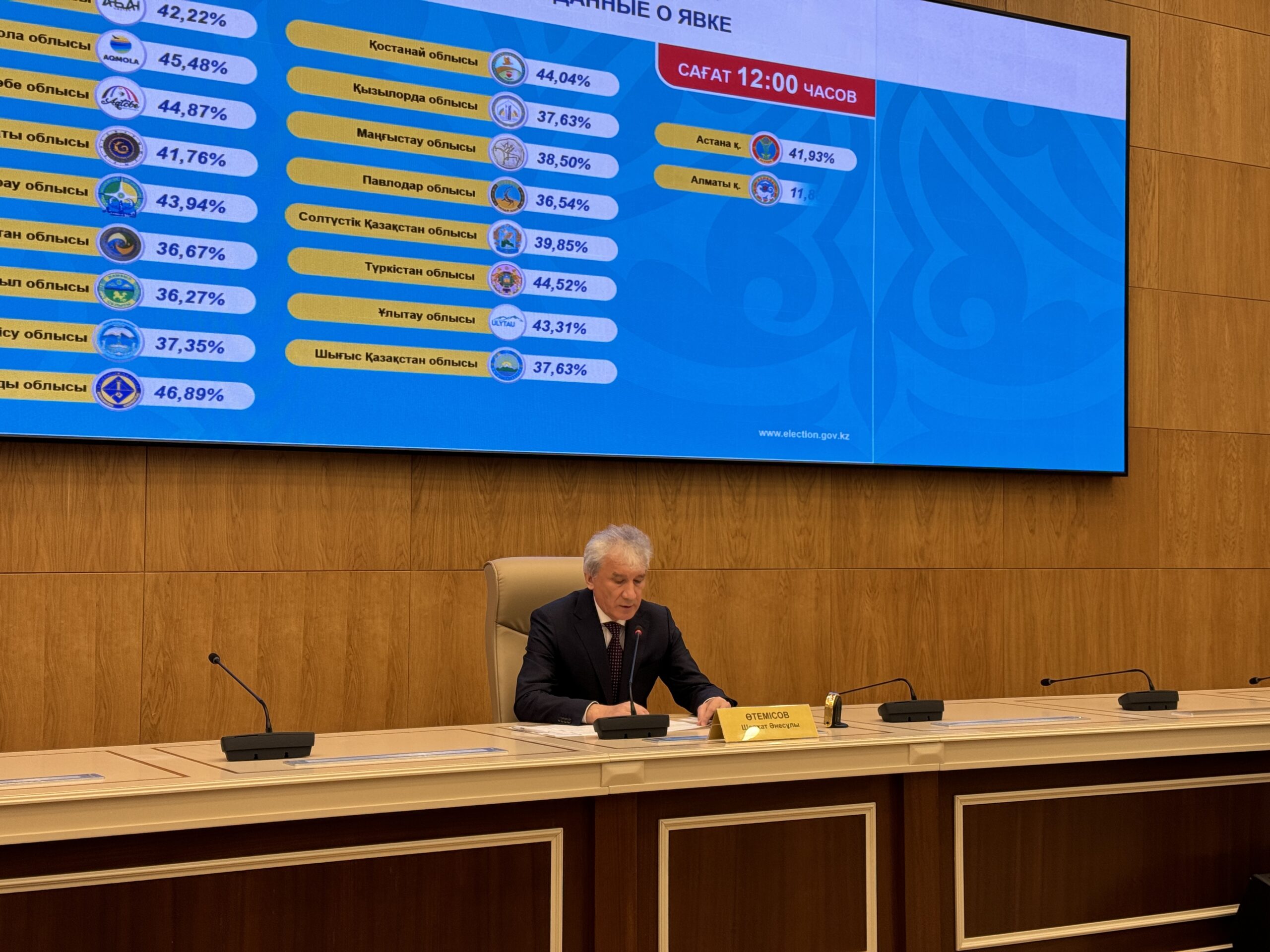
Kazakhstan's electorate decisively approved a new constitution in a referendum on Sunday, with exit polls indicating that approximately 87% of voters supported the changes. Voter turnout was reported at around 73%, according to the election commission. The referendum marks a pivotal moment in Kazakhstan's governance, with potential implications for the balance of power within the country's political structure.
The newly approved constitution is expected to enhance presidential authority, enabling President Kassym-Jomart Tokayev to potentially extend his tenure beyond the current limit of 2029. Under the constitution, Tokayev could reset presidential term limits or position a successor through the vice presidency.
Following the vote in the capital Astana, Tokayev asserted that there are "absolutely no grounds for worry" regarding the constitution's societal impact. He emphasized that the next presidential election would take place in 2029, coinciding with the end of his current term. Former president Nursultan Nazarbayev, who held power from 1991 to 2019, publicly endorsed the constitutional changes.
Political analyst Viktor Kovtunovsky characterized the reforms as a "dismantling of liberal concessions" that Tokayev had previously been compelled to make. Human Rights Watch expressed alarm over the potential threats to civil liberties posed by the new constitution. Several critics of the reforms have been detained and questioned by the police, while journalists have been fined for publishing independent opinions on the polls.
Kazakhstan has maintained tight political control since gaining independence from the Soviet Union in 1991. The approval of the new constitution signals a significant shift that could reshape the political landscape of Central Asia's largest economy. As the country navigates its path forward, the implications of these reforms on governance and civil rights remain critical for its citizens and international observers alike.
Cross-referenced to ensure accuracy