Mortgage Rates Plummet to 6.01%, Making Homes More Affordable
Revised after bias review
 Council News
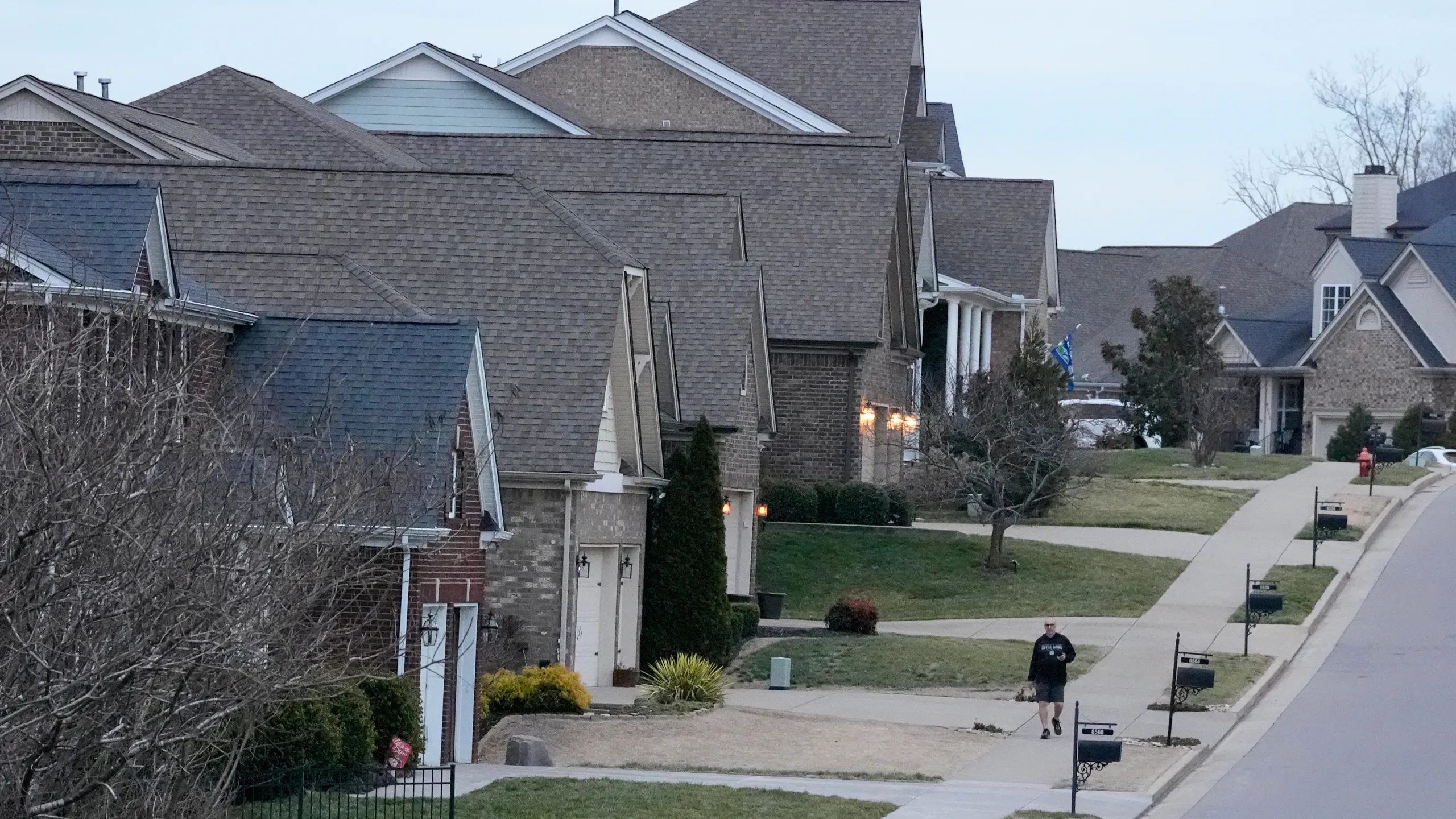





Mortgage rates dropping to lowest level since 2022 is concrete financial news affecting housing affordability and refinancing decisions—directly impacts household budgets and home-buying plans.
The drop in mortgage rates is a key development for potential homebuyers, making it a timely and relevant story for those looking to enter the housing market.
Dropping mortgage rates could make home buying more affordable for millions, helping citizens plan their finances and housing decisions; readers will engage with this due to its direct relevance to personal wealth and the surprise of a positive economic shift amid high costs.
Mortgage rates just hit their lowest since 2022—anyone house-hunting or refinancing will stop scrolling for the new number and what it saves them.
The average 30-year fixed mortgage rate has dropped to 6.01%, marking the lowest level since 2022. A $300,000 loan at this rate costs about $1,800 per month in principal and interest, compared to roughly $2,000 a year ago. That's $140 less per month—but the full payment will be higher once you add property taxes, insurance, and any mortgage insurance.
Lower rates help borrowers who qualify for loans. Home prices have risen significantly since 2022, however, so some buyers will still face higher monthly payments than two years ago. Affordability depends on credit scores, down payments, local prices, and whether lenders approve your application.
For borrowers who lock in current rates, the monthly savings could free up household funds for other expenses or savings. The actual benefit of lower rates on monthly payments varies by loan size, credit profile, and regional market conditions. Those with existing mortgages at higher rates do not benefit unless they refinance, which involves closing costs and a new application process.
Mortgage rates typically follow Treasury bond yields. Recent declines may reflect investors shifting toward safer investments. The Federal Reserve's policies on interest rates influence these broader market movements.
Rates move with bond markets and can change daily. Borrowers can lock a rate once they have a signed purchase agreement, protecting themselves against further increases during the closing process. Rate locks typically cost 0.25% to 0.5% of the loan amount and expire in 30 to 60 days; missing the deadline can mean repricing at market rates.
Lower borrowing costs can assist buyers, but tight credit standards set by major lenders still exclude borrowers with lower credit scores. Homebuyers and refinancers should compare current offers against their budgets and long-term plans before deciding to move forward.
Cross-referenced to ensure accuracy