
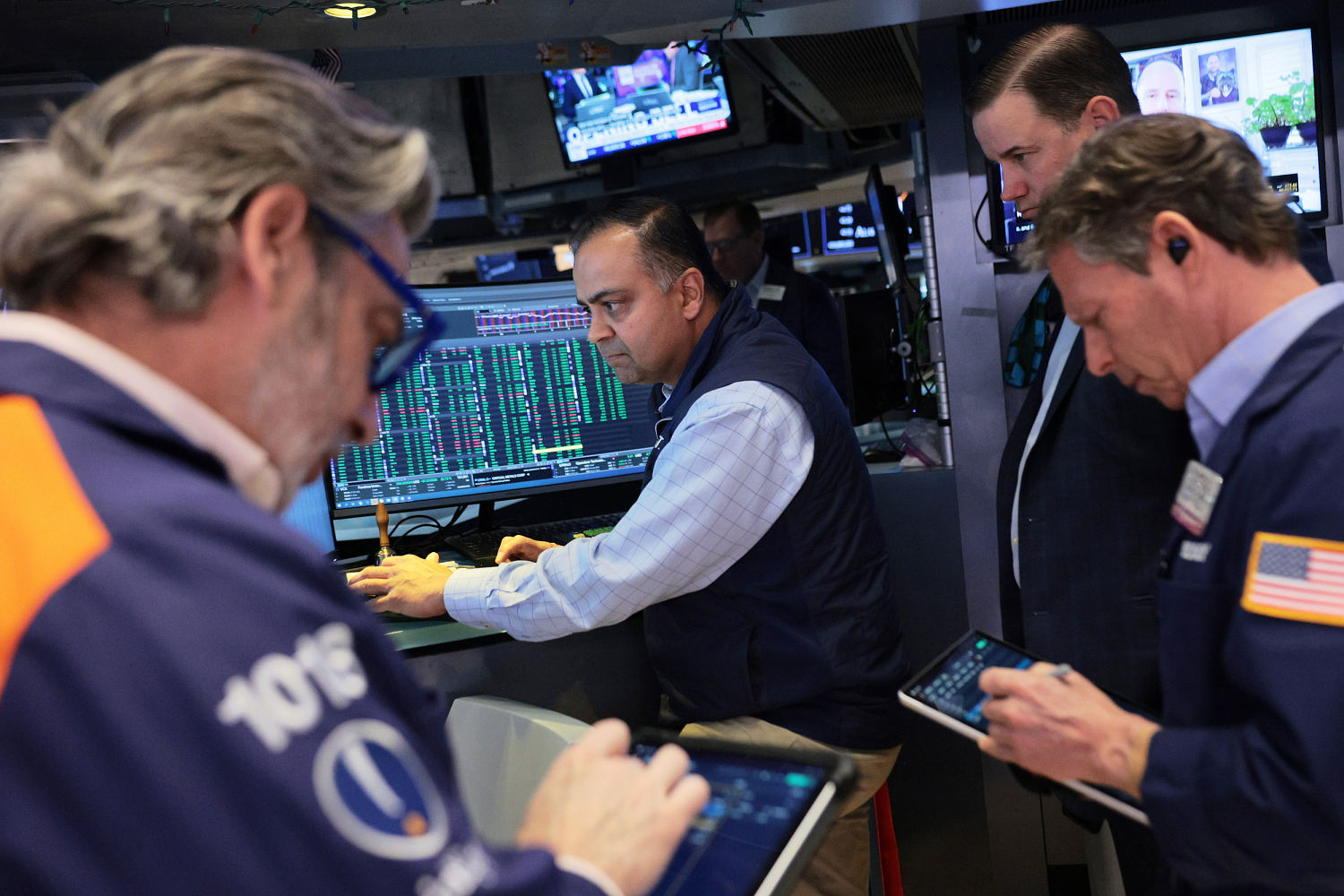





Markets Whipsawed by Conflicting Signals
U.S. stocks closed higher Wednesday despite volatile trading tied to dueling statements from Washington and Tehran over ceasefire negotiations. The S&P 500 rose 0.4%, the Nasdaq Composite gained 0.7%, and the Dow jumped 305 points, while the Russell 2000 index of smaller companies climbed 1.1%. Early optimism sparked by reports of a 15-point U.S. peace proposal sent S&P 500 and Nasdaq 100 futures up more than 1% before Iran's negative response briefly reversed those gains.
Oil prices told a different story as negotiations stalled. Brent crude, the international benchmark, rose nearly 2 percent Thursday to top $104 per barrel after Tehran dismissed reports of direct negotiations with the U.S. administration. U.S. crude traded near $90 per barrel by late Wednesday afternoon, down only 1.4% for the day but up more than 30% since the war began. The price per barrel has climbed 50% since the start of the year.
Paul Donovan, chief economist at UBS Global Wealth Management, wrote that "markets desperately want to believe in the positive" while overlooking Iranian dismissals and the near-total closure of the Strait of Hormuz. Analysts at Bespoke Investment Group noted that "there's really no way to know at this point what the facts are regarding the state of negotiations, as neither side has any real incentive to conduct talks via the press, so expect more whipsaw action as things continue to progress."
Iran's Counterproposal and Military Escalation
Iran's Foreign Minister Abbas Araghchi stated on state television Wednesday that his government has "no intention of negotiating for now" and has not engaged in direct talks with Washington. An anonymous Iranian official told state media that Iran rejected the American ceasefire proposal and issued its own counterproposal with five conditions for ending the war.
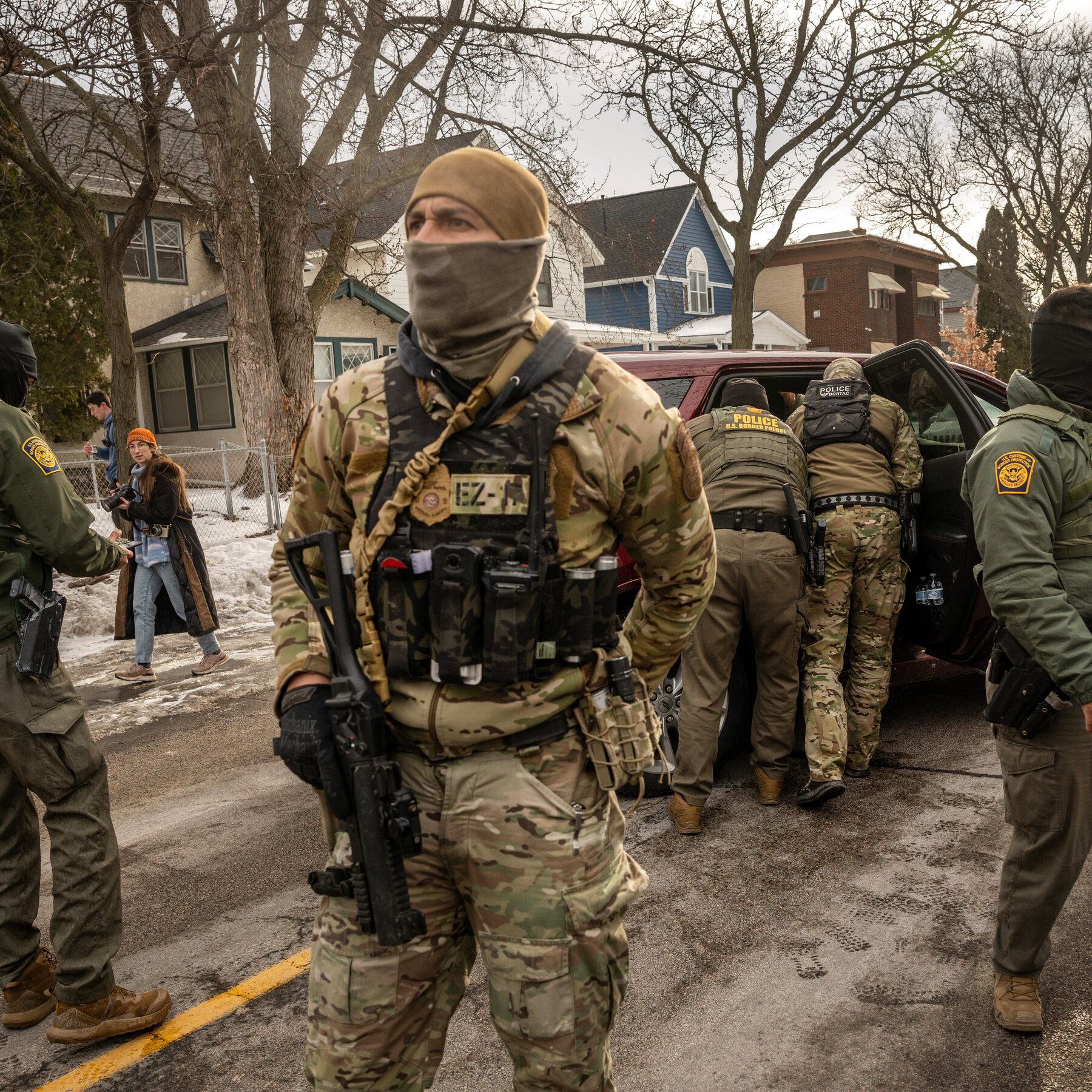
The rejection came as Iran launched fresh attacks on Israel and Gulf Arab countries. Strikes hit a fuel tank at Kuwait International Airport, sparking a fire. Israel responded with air strikes on Tehran while the United States deployed paratroopers and more than 1,000 additional troops to the Middle East. White House Press Secretary Karoline Leavitt warned that Iran would be "hit harder" than ever before if Tehran did not accept military defeat.
Pakistan, which transmitted the U.S. plan to Iran, described the 15-point proposal as addressing sanctions relief, a rollback of Iran's nuclear program, limits on missiles, and reopening the Strait of Hormuz. An Egyptian official involved in mediation said the proposal also includes restrictions on Iran's support for armed groups. Egypt's Foreign Minister Badr Abdelatty said Cairo is ready to host talks on Iran to support de-escalation.
Global Energy Crisis and Supply Disruptions
The Strait of Hormuz, through which roughly one-fifth of the world's oil supply typically passes, has remained at near standstill since the war began. On Tuesday, just six ships transited the waterway, down from an average of 120 daily transits before the conflict, according to maritime intelligence firm Windward. On some days since the fighting started, not a single ship has passed through.
Oil prices have climbed more than 40 percent compared with before the U.S. and Israel launched strikes on Iran on February 28. The average nationwide price of unleaded gasoline on Wednesday, March 25, was $3.98 per gallon, according to AAA data. Countries from Thailand to South Korea have implemented fuel rationing and energy conservation measures in response to the price surge.
The global price of oil directly affects what Americans pay at the pump and what it costs to heat and cool homes. Market-watchers say prices are likely to rise further until shipping is free to traverse the strait, despite efforts by countries to tap emergency stockpiles in coordination with the International Energy Agency.
Divergent Messaging from Washington and Tehran
The White House insisted that peace talks with Iran are ongoing, even as Tehran publicly rejected U.S. overtures. President Trump gave conflicting signals about the conflict's status. On March 16, he said he was delaying his scheduled visit to China "by a month or so" to monitor the war. On Monday, he said the Strait of Hormuz would be "open very soon." By Tuesday, Trump told reporters in the Oval Office, "This war has been won."
Two sources told NBC News that an in-person meeting between the U.S. and Iran could be held in the coming days. Pakistan also offered to mediate talks to end the hostilities, according to four sources, with a Persian Gulf official saying Pakistan had been passing messages between the two countries for the past two days.
Market Volatility and Rate Expectations
Since the war began, U.S. oil prices have closed down only five times in 18 trading sessions. The S&P 500 has closed higher only seven times over that period, with three of those gains being fractional. The Nasdaq was down nearly 6% for the year, while the S&P 500 was on track for a 3.5% loss. The majority of those losses were concentrated in the weeks since the war began.
Analysts at ING wrote that "uncertainty remains high" and "overall, volatility remains elevated and a geopolitical risk premium persists." The ongoing tensions continue to support higher oil prices and stoke inflation concerns, likely causing central banks to remain on hold rather than cut rates. Traders believe the European Central Bank and the Bank of England will both raise interest rates.
International Brent crude prices traded near breakeven at around $102 per barrel by late Wednesday. The price of heating oil, a proxy for jet fuel, dropped 6%, offering limited relief to consumers facing sustained energy cost pressures.
The sources report the statement came from Iranian state TV citing a senior official, not specifically from Iran's Foreign Minister Abbas Araghchi.