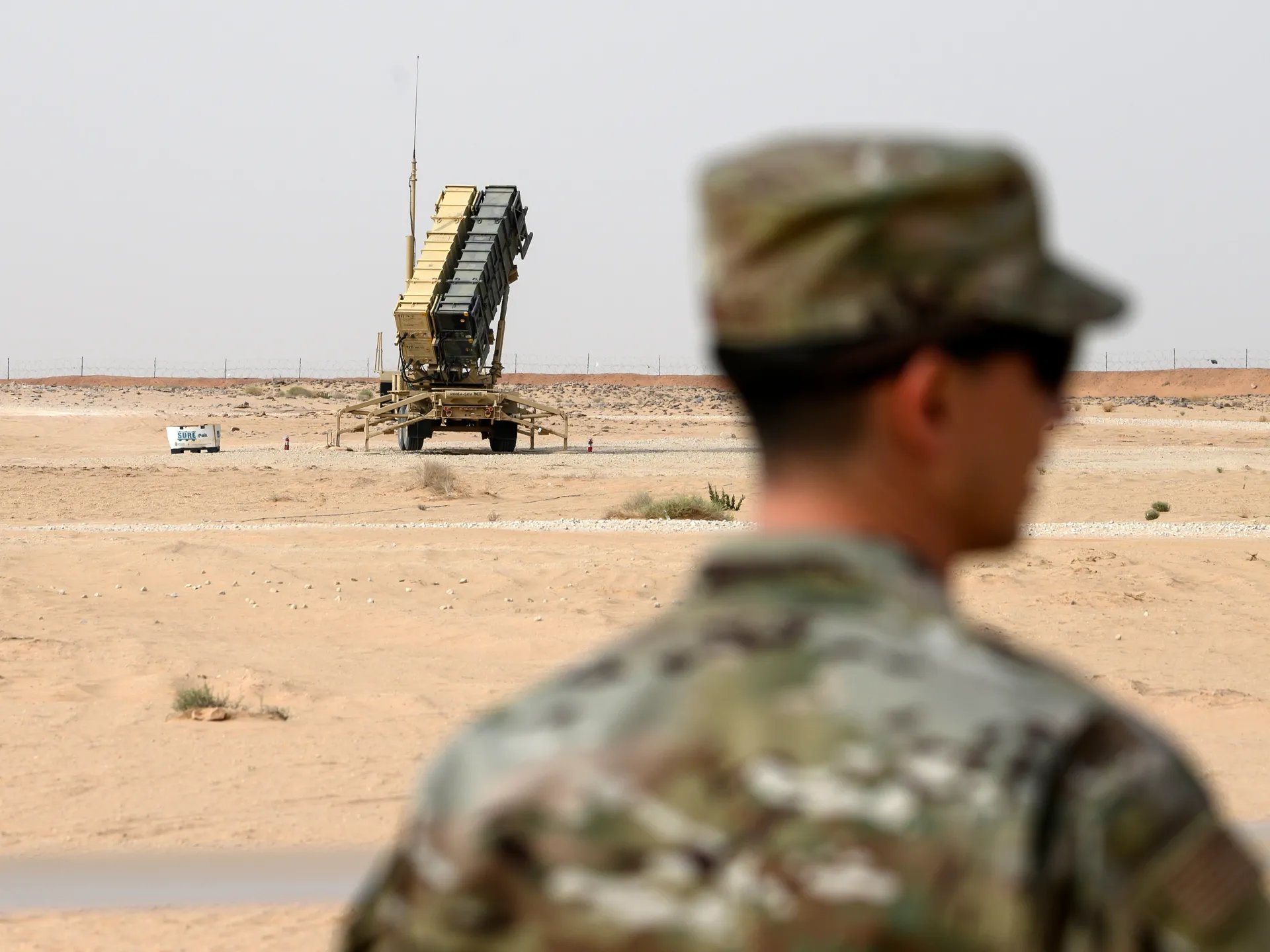
At least 15 U.S. service members were injured on Friday in an Iranian missile and drone strike on Prince Sultan Air Base in Saudi Arabia. At least five were in serious condition, according to the Associated Press. The attack also damaged several U.S. refueling aircraft, according to U.S. and Arab officials.
The Iranian military has increasingly targeted U.S. personnel at bases throughout the Middle East since the onset of hostilities a month ago. This recent attack marks a new phase, as Iranian forces have shifted their focus to Saudi Arabia, a long-time U.S. ally, further complicating the regional security landscape.
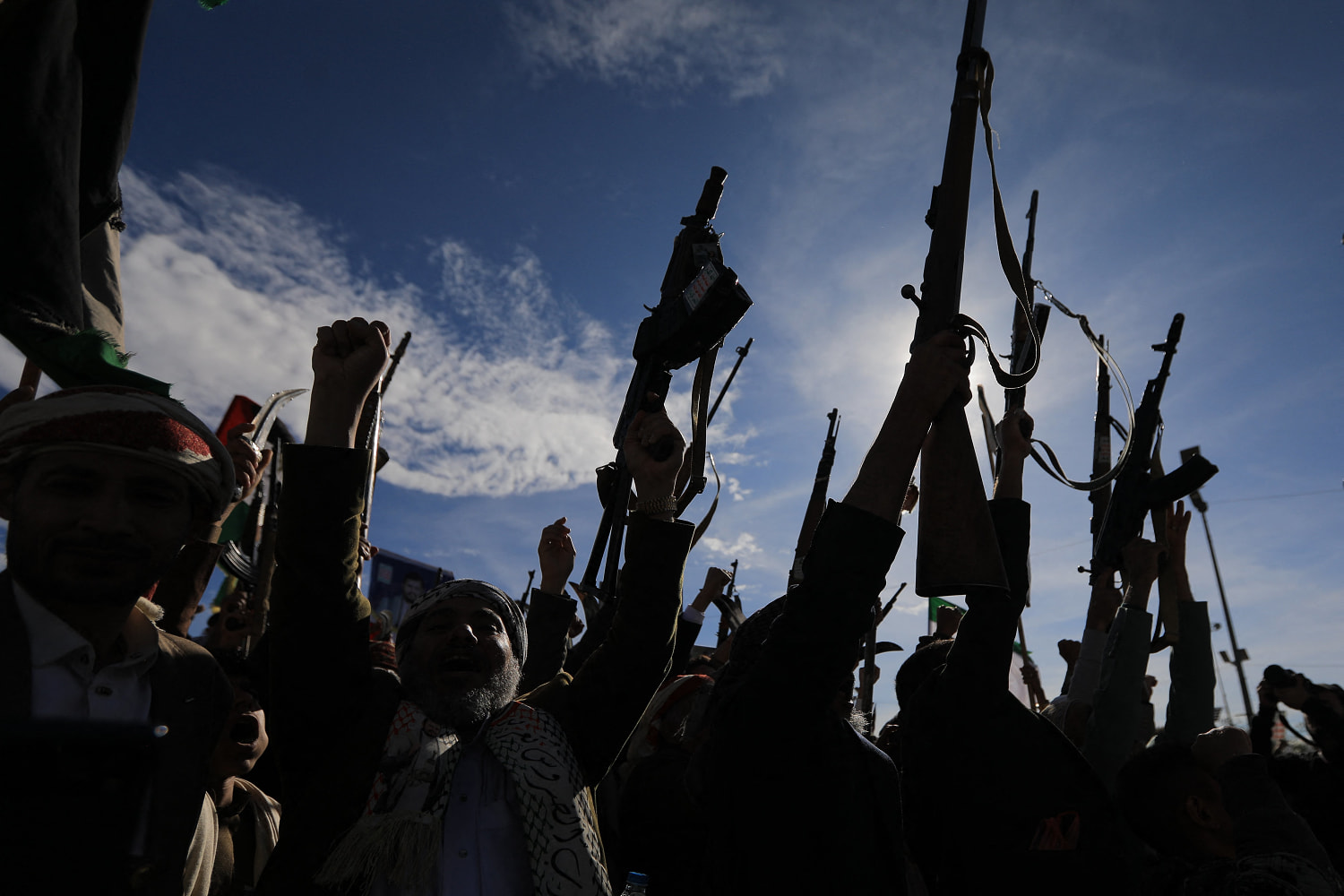
The Iranian-backed Houthi rebels in Yemen claimed responsibility for a missile attack on Israel. The Israeli military confirmed intercepting missiles launched from Yemen. The Houthis stated that their actions were in response to what they described as continued military aggression against Iran and its allies.
The conflict has significant implications for global shipping and oil markets. The Red Sea, a vital corridor for trade, has already seen a dramatic reduction in traffic due to previous Houthi attacks on vessels. Analysts warn that the Houthis' entry into the conflict could exacerbate disruptions, particularly through the Bab el-Mandeb Strait, which is crucial for oil shipments. The International Energy Agency has termed the situation the worst disruption in the history of the oil market, with prices already rising sharply.
In response to the escalating violence, the U.S. military has increased its presence in the region. The Japan-based 31st Marine Expeditionary Unit, comprising approximately 3,500 sailors and Marines, has been deployed to the Middle East. Secretary of State Marco Rubio emphasized that the U.S. aims to achieve its objectives without ground troops, despite the growing military commitments in the area.
The conflict has drawn condemnation from various international actors. The G7 foreign ministers issued a joint statement calling for an immediate cessation of attacks against civilians and civilian infrastructure. Meanwhile, Iran has signaled its intent to retaliate against perceived threats, further heightening tensions in the region. Iranian officials have indicated that they consider U.S. military assets in the area legitimate targets.
As military actions escalate, humanitarian concerns are also rising. The conflict has already resulted in significant civilian casualties, with reports indicating over 1,900 deaths in Iran and more than 1,100 in Lebanon. The ongoing violence threatens to create a broader humanitarian crisis, with millions potentially displaced. International organizations have warned that a prolonged conflict could lead to severe disruptions in aid delivery and exacerbate food insecurity across the region.
The situation remains volatile, with both military and diplomatic efforts underway to address the escalating conflict. Pakistan has offered to host talks aimed at de-escalating tensions, although the involvement of key players like the U.S. and Iran remains uncertain. As the conflict continues to unfold, the potential for further military engagements and humanitarian fallout looms large, impacting not only the Middle East but global economic stability.
At least 15 U.S. service members were injured on March 27 in an Iranian missile and drone strike on Prince Sultan Air Base in Saudi Arabia. Among the injured, five are in serious condition, according to a U.S. official who spoke on the condition of anonymity. The attack, which also damaged several U.S. refueling aircraft, is part of a broader pattern of violence targeting American forces since the escalation of conflict in the region.
The Iranian military has increasingly targeted U.S. personnel at bases throughout the Middle East since the onset of hostilities a month ago. The Pentagon reports that 13 American troops have been killed and over 300 injured in the ongoing conflict. This recent attack marks a new phase, as Iranian forces have shifted their focus to Saudi Arabia, a long-time U.S. ally, further complicating the regional security landscape.
Simultaneously, the Iranian-backed Houthi rebels in Yemen claimed responsibility for a missile attack on Israel, marking their first military operation since the escalation began. The Israeli military confirmed intercepting missiles launched from Yemen, which raises concerns about the Houthis' potential to disrupt shipping routes in the Red Sea, crucial for global trade. The Houthis stated that their actions were in response to what they described as continued military aggression against Iran and its allies.
The conflict has significant implications for global shipping and oil markets. The Red Sea, a vital corridor for trade, has already seen a dramatic reduction in traffic due to previous Houthi attacks on vessels. Analysts warn that the Houthis' entry into the conflict could exacerbate disruptions, particularly through the Bab el-Mandeb Strait, which is crucial for oil shipments. The International Energy Agency has termed the situation the worst disruption in the history of the oil market, with prices already rising sharply.
In response to the escalating violence, the U.S. military has increased its presence in the region. The Japan-based 31st Marine Expeditionary Unit, comprising approximately 3,500 sailors and Marines, has been deployed to the Middle East. Secretary of State Marco Rubio emphasized that the U.S. aims to achieve its objectives without ground troops, despite the growing military commitments in the area.
The conflict has drawn condemnation from various international actors. The G7 foreign ministers issued a joint statement calling for an immediate cessation of attacks against civilians and civilian infrastructure. Meanwhile, Iran has signaled its intent to retaliate against perceived threats, further heightening tensions in the region. Iranian officials have indicated that they consider U.S. military assets in the area legitimate targets.
As military actions escalate, humanitarian concerns are also rising. The conflict has already resulted in significant civilian casualties, with reports indicating over 1,900 deaths in Iran and more than 1,100 in Lebanon. The ongoing violence threatens to create a broader humanitarian crisis, with millions potentially displaced. International organizations have warned that a prolonged conflict could lead to severe disruptions in aid delivery and exacerbate food insecurity across the region.
The situation remains volatile, with both military and diplomatic efforts underway to address the escalating conflict. Pakistan has offered to host talks aimed at de-escalating tensions, although the involvement of key players like the U.S. and Iran remains uncertain. As the conflict continues to unfold, the potential for further military engagements and humanitarian fallout looms large, impacting not only the Middle East but global economic stability.
Highlighted text was flagged by the council. Tap to see feedback.








The sources also report that Houthi attacks reduced shipping traffic through the Suez Canal by 70 percent and cut oil flows through the Bab el-Mandeb Strait in half.