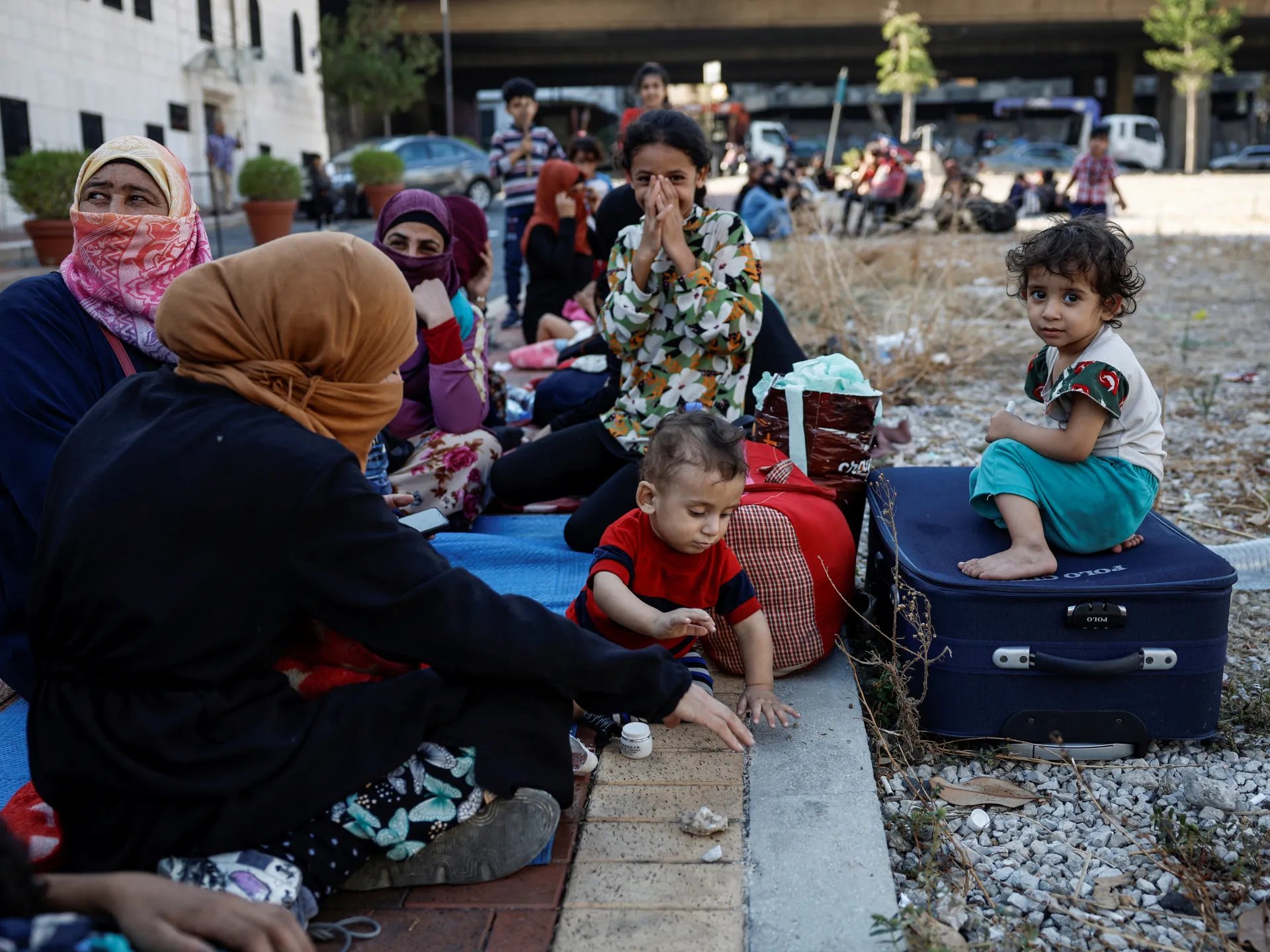
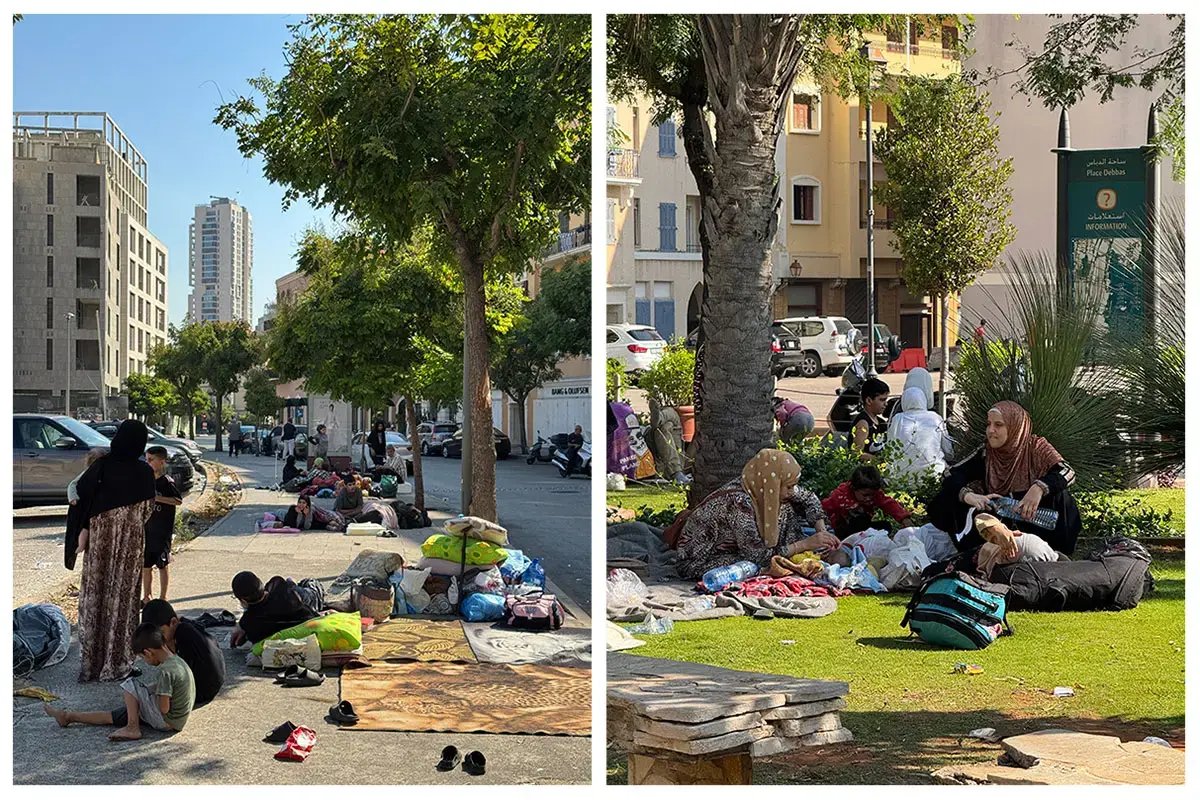
More than a million people have been displaced in Lebanon as Israel intensifies its offensive against Hezbollah, according to the United Nations. The ongoing strikes have led to widespread destruction, forcing families to flee their homes in search of safety.
In response to the growing crisis, France's foreign minister, Jean-Noel Barrot, made an unscheduled visit to Israel after meeting with Lebanese leaders in Beirut. During his visit, he expressed support for the Lebanese army, highlighting their role in protecting the country's sovereignty. Barrot's diplomatic efforts aim to reduce tensions in the region and secure a ceasefire, emphasizing the urgent need for a resolution to the conflict.
The intensified military actions have severely damaged infrastructure across Lebanon.
Residents in Lebanon express a mix of fear and resilience as they cope with the ongoing violence. Many families have sought refuge in temporary shelters, often lacking basic amenities.
The situation in Lebanon underscores the urgent need for diplomatic solutions to prevent further displacement and suffering. Efforts like those of Jean-Noel Barrot may pave the way for negotiations, but the immediate focus remains on providing aid to those affected by the violence.
More than a million people have been displaced in Lebanon as Israel intensifies its offensive against Hezbollah, according to the United Nations. The ongoing strikes have led to widespread destruction, forcing families to flee their homes in search of safety. The humanitarian situation is dire, with reports of shortages in basic necessities as the conflict escalates.
In response to the growing crisis, France's foreign minister, Jean-Noel Barrot, made an unscheduled visit to Israel after meeting with Lebanese leaders in Beirut. During his visit, he expressed support for the Lebanese army, highlighting their role in protecting the country's sovereignty. Barrot's diplomatic efforts aim to reduce tensions in the region and secure a ceasefire, emphasizing the urgent need for a resolution to the conflict.
The intensified military actions have severely damaged infrastructure across Lebanon. Hospitals are overwhelmed with casualties, and many schools have closed, further complicating the already precarious situation for displaced families. The UN has called for immediate humanitarian access to assist those affected, but ongoing hostilities hinder relief efforts.
Residents in Lebanon express a mix of fear and resilience as they cope with the ongoing violence. Many families have sought refuge in temporary shelters, often lacking basic amenities. Local leaders have urged the international community to take swift action to address the humanitarian needs while advocating for peace and stability in the region.
As the conflict continues, the international community remains watchful. The situation in Lebanon underscores the urgent need for diplomatic solutions to prevent further displacement and suffering. Efforts like those of Jean-Noel Barrot may pave the way for negotiations, but the immediate focus remains on providing aid to those affected by the violence.
Highlighted text was flagged by the council. Tap to see feedback.