




Access Revocation for Journalists
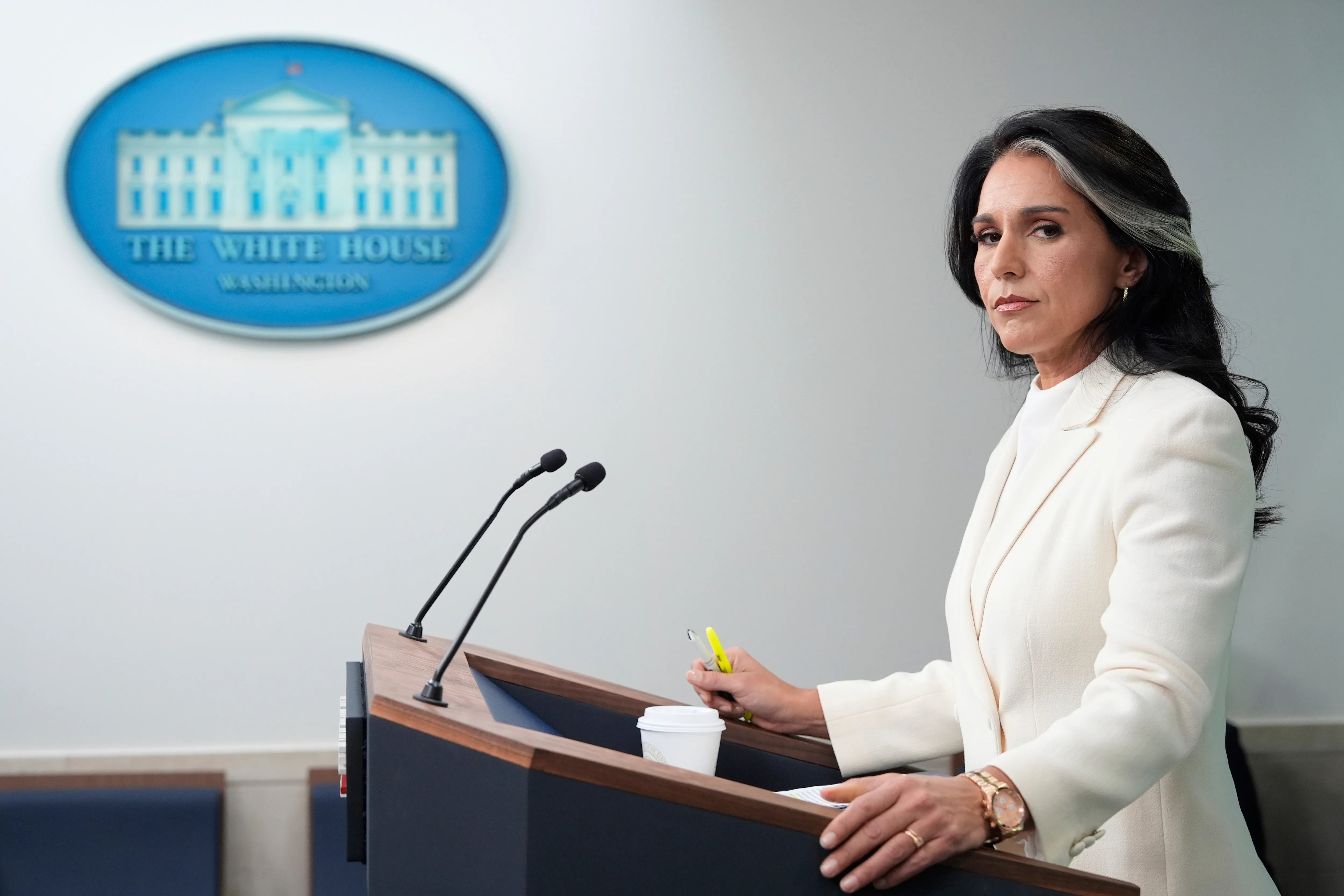
The Defense Department has declared its press office a classified space. Journalists may no longer enter the Pentagon press office. The facility has been redesignated as a Sensitive Compartmented Information Facility. Acting Pentagon Press Secretary Joel Valdez confirmed the change on social media and in a statement.
The office now holds the status of a Sensitive Compartmented Information Facility. Speechwriters from the Office of the Secretary of War share the space and routinely handle classified material. These speechwriters require SIPRNet access to perform their duties.
Valdez stated that as a result journalists will no longer be permitted to enter the office space. Access to the office of the Assistant to the Secretary of War for Public Affairs and to the Press Secretary remains available by appointment only. The Washington Post first reported the redesignation.
Sequence of Earlier Restrictions
Last October most news outlets turned in their access badges and walked out of the Pentagon. They refused to agree to government-imposed restrictions on their work. The department then announced a next generation of the Pentagon press corps featuring 60 journalists from far-right outlets.
In March, U.S. District Court Judge Paul L. Friedman struck down the Pentagon's credential restrictions. In response, the Defense Department announced it would no longer allow media outlets to maintain offices at the Pentagon. The Pentagon also required journalists to have an official escort while inside the complex.
The New York Times sued the Defense Department on May 18 for the second time in five months. The paper argues that the escort requirement violates the First Amendment. It calls the policy an unconstitutional attempt by the Pentagon to prevent independent reporting on military affairs.
Court Rulings and Appeals
U.S. District Court Judge Paul L. Friedman ruled in March that the interim escort policy violated his earlier order striking down the Pentagon's restrictions. An appeals court stayed part of Friedman's ruling while the government appeals and the process continues.
The first lawsuit filed by The New York Times in December challenged rules imposed by Defense Secretary Pete Hegseth. The interim policy went into effect in March after the initial court decision. The escort rule has remained in place despite the judicial findings.
Defense Department Response
Valdez wrote on social media that this is the most transparent war department in history. He added that no amount of spin from the Fake News media will change that. Valdez described the redesignation as nothing controversial.
The acting press secretary explained that speechwriters routinely handle classified material. Their presence in the shared facility triggered the new status. The department prefers to call itself the war department under the current administration.
Critics Challenge the Move
The National Press Club condemned the restrictions as a troubling escalation. National Press Club President Mark Schoeff Jr said independent reporting on the US military is not optional. He warned that when journalists are pushed farther from the institutions they cover the American people receive less information and less oversight.
The Freedom of the Press Foundation criticized the decision. Seth Stern, chief of advocacy at the organization, told Al Jazeera it is rare for anything other than disingenuous spin and outright lies to come out of the Pentagon's press office these days. Stern questioned what basis exists to call the space classified.
Media freedom advocates described the action as the latest effort to curtail independent reporting on the US military. They noted the pattern of steps taken since President Donald Trump's return to the White House. The redesignation adds to September demands that journalists pledge not to gather any unauthorized information including unclassified documents.
Effects on Routine Coverage
For many years Pentagon reporters held credentials granting wide movement inside the building. They could approach military public affairs officials without escorts and ask questions on the spot. That direct access has now ended in the press office itself.
The public affairs office had served as a space where reporters interacted freely with officials. The redesignation curtails access to an area journalists occupied for years. Appointments are now required for any contact with the Press Secretary's office.
The latest barrier follows the earlier loss of on-site newsroom space. Reporters must navigate the escort policy even for permitted visits. These layered restrictions alter the daily flow of information from the Defense Department to the public.
The concrete next step lies with the ongoing federal appeals process. A ruling on the escort requirement and related access rules will determine how much independent coverage of military affairs reaches Americans in the months ahead.