Defaults on private credit hit a record 9.2% in 2025, according to data released by Fitch Ratings. That means the businesses and investors who do pay on time will face higher costs and stricter terms going forward.
Private credit has become the lending backbone for mid-size companies that can't easily access traditional bank loans. These businesses use private credit to fund operations, make acquisitions, and weather downturns. When defaults spike this sharply, it signals trouble spreading across the broader economy.
The 9.2% default rate reflects economic stress that accumulated through 2025. Borrowers who took on private credit when times were good now face higher interest rates, tighter cash flow, and slowing customer demand. Unlike public bond markets where defaults are tracked daily, private credit defaults are less transparent.
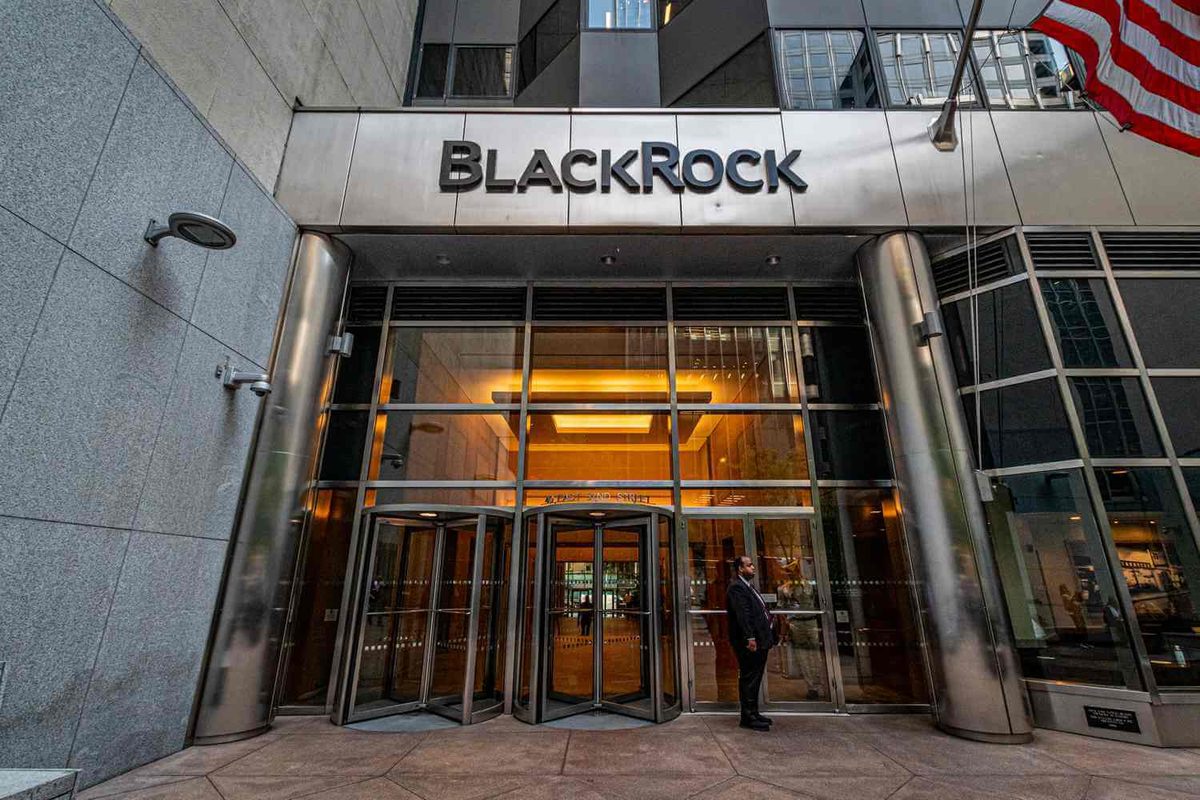
The spike matters because private credit has grown into a massive corner of the financial system. Institutional investors, pension funds, and wealth managers have poured billions into these loans seeking higher returns than traditional bonds offer. Now those returns are being erased by defaults. Some investors are already trying to pull their money out. BlackRock, one of the world's largest asset managers, recently limited withdrawals from one of its private credit funds as redemption requests overwhelmed the fund's ability to pay them out quickly.
Higher defaults force lenders to be more selective about who gets credit next. That means smaller and mid-size businesses will face steeper interest rates, larger down payments, and more restrictive covenants on how they operate. Some borrowers will be shut out entirely. The cost of capital for the companies that drive job growth and innovation just went up significantly.
For investors who own private credit funds, the 9.2% default rate is a wake-up call. These funds promised steady returns with lower volatility than stocks. That pitch is now being tested. Investors who believed private credit was a safe alternative to bonds are discovering otherwise. The next few quarters will determine whether defaults stabilize or accelerate further, shaping borrowing conditions across the entire economy.
Defaults on private credit hit a record 9.2% in 2025, according to data released by Fitch Ratings. This marks a measurable deterioration in the market that will ripple through the economy for months to come. When borrowers stop paying back loans, lenders tighten credit and raise rates on everyone else. That means the businesses and investors who do pay on time will face higher costs and stricter terms going forward.
Private credit has become the lending backbone for mid-size companies that can't easily access traditional bank loans. These businesses use private credit to fund operations, make acquisitions, and weather downturns. When defaults spike this sharply, it signals trouble spreading across the broader economy. Companies that were once considered safe bets are now failing to meet their obligations.
The 9.2% default rate reflects economic stress that accumulated through 2025. Borrowers who took on private credit when times were good now face higher interest rates, tighter cash flow, and slowing customer demand. Unlike public bond markets where defaults get tracked daily, private credit operates in the shadows. Fitch's data is among the first comprehensive measures showing just how severe the problem has become.
The spike matters because private credit has grown into a massive corner of the financial system. Institutional investors, pension funds, and wealth managers have poured billions into these loans seeking higher returns than traditional bonds offer. Now those returns are being erased by defaults. Some investors are already trying to pull their money out. BlackRock, one of the world's largest asset managers, recently limited withdrawals from one of its private credit funds as redemption requests overwhelmed the fund's ability to pay them out quickly.
Higher defaults force lenders to be more selective about who gets credit next. That means smaller and mid-size businesses will face steeper interest rates, larger down payments, and more restrictive covenants on how they operate. Some borrowers will be shut out entirely. The cost of capital for the companies that drive job growth and innovation just went up significantly.
For investors who own private credit funds, the 9.2% default rate is a wake-up call. These funds promised steady returns with lower volatility than stocks. That pitch is now being tested. Investors who believed private credit was a safe alternative to bonds are discovering otherwise. The next few quarters will determine whether defaults stabilize or accelerate further, shaping borrowing conditions across the entire economy.
Highlighted text was flagged by the council. Tap to see feedback.