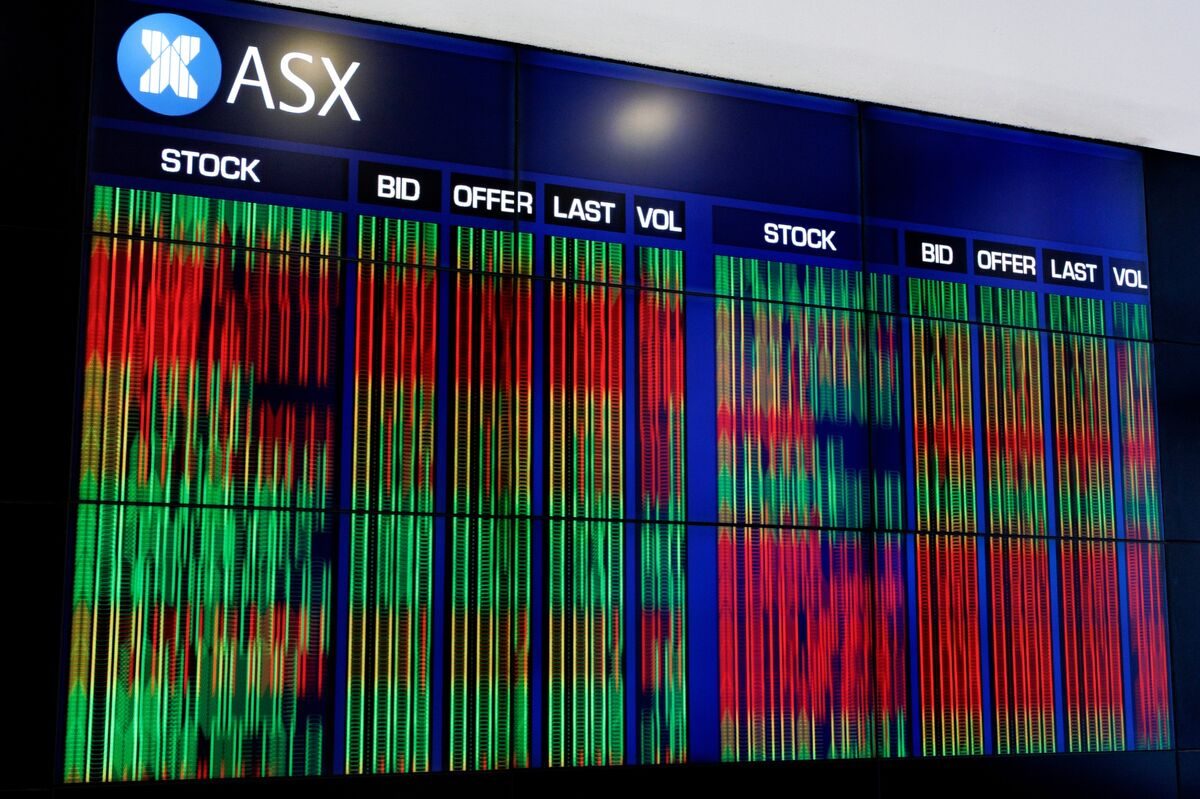
Your retirement account took a hit Thursday. The Dow Jones Industrial Average dropped 784 points, closing 1.6 percent lower after falling more than 1,100 points during the trading day. The S&P 500 fell 0.6 percent. The trigger was straightforward: intensifying tensions involving the United States, Israel, and Iran sent oil prices past $80 per barrel, spooking investors who fear higher energy costs ahead.
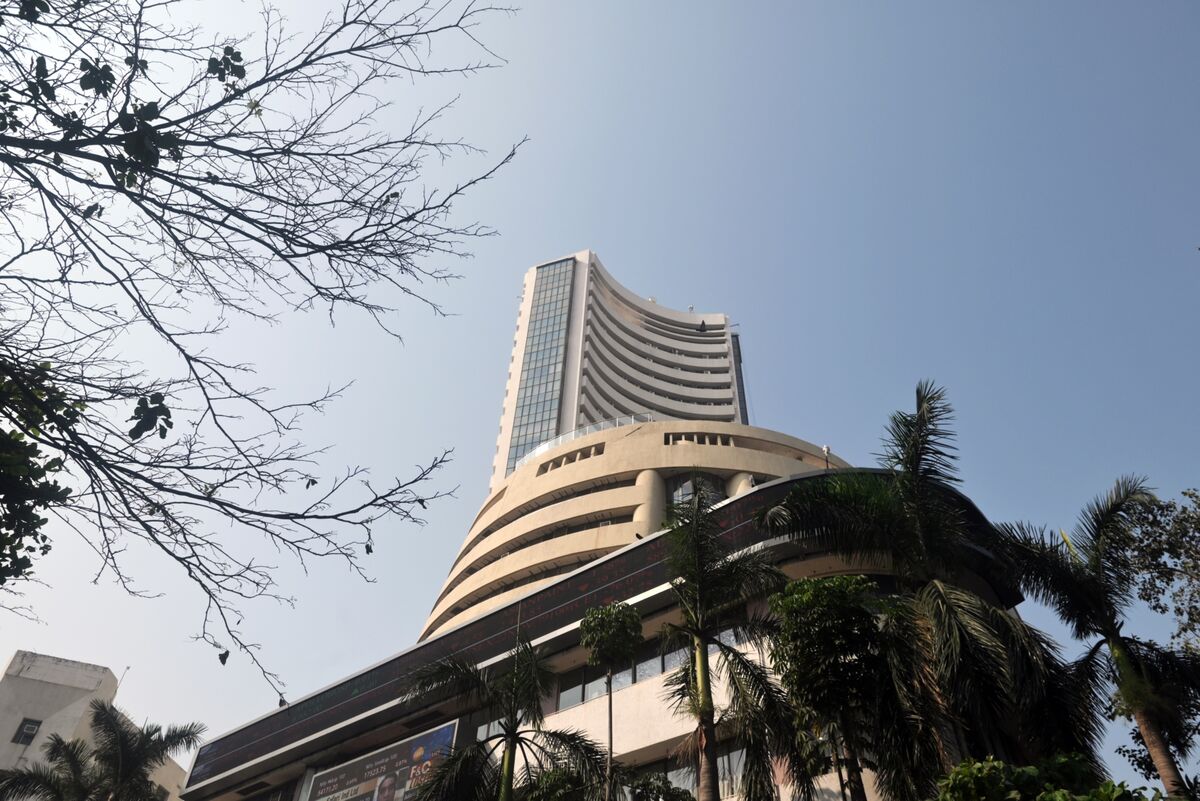
Global markets felt the same pressure; for example, India's BSE Sensex dropped 1,097 points, or 1.37 percent.
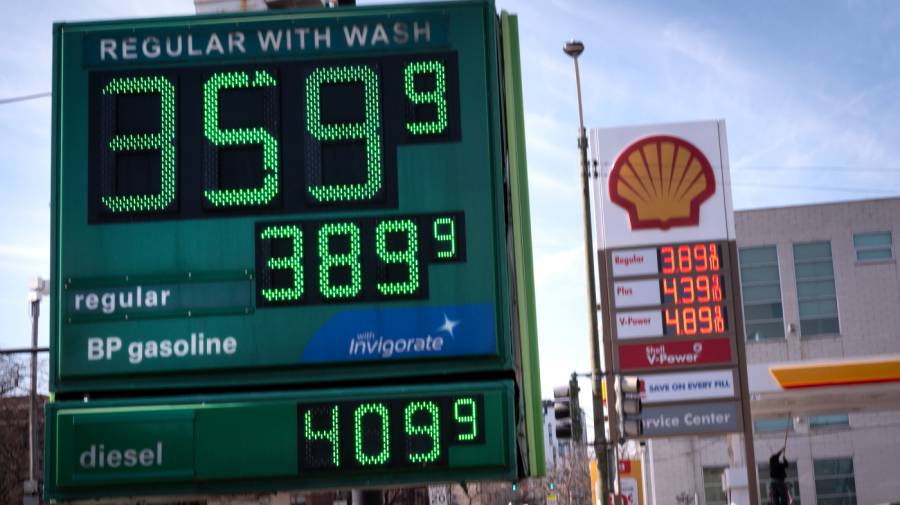
Oil doesn't just affect what you pay at the pump. When energy prices spike, inflation spreads across the entire economy. The International Monetary Fund calculated that a 10 percent increase in oil prices sustained over a year would push global inflation up by 40 basis points and slow economic growth by 0.1 to 0.2 percent. That means higher prices for groceries, shipping, heating, and electricity, plus slower job growth.
Investors are pricing in a scenario where Middle East conflict keeps oil elevated, inflation stays sticky, and central banks keep interest rates higher for longer. Each of those outcomes reduces corporate profits and stock valuations.
Your retirement account took a hit Thursday. The Dow Jones Industrial Average dropped 784 points, closing 1.6 percent lower after falling more than 1,100 points during the trading day. The S&P 500 fell 0.6 percent. The trigger was straightforward: escalating tensions between the United States, Israel, and Iran sent oil prices past $80 per barrel, spooking investors who fear higher energy costs ahead.
For someone with a $500,000 retirement portfolio weighted toward large-cap stocks, that 1.6 percent decline translates to roughly $8,000 in losses. Global markets felt the same pressure; for example, India's BSE Sensex dropped 1,097 points, or 1.37 percent.
Oil doesn't just affect what you pay at the pump. When energy prices spike, inflation spreads across the entire economy. The International Monetary Fund calculated that a 10 percent increase in oil prices sustained over a year would push global inflation up by 40 basis points and slow economic growth by 0.1 to 0.2 percent. That means higher prices for groceries, shipping, heating, and electricity, plus slower job growth.
The market's reaction Thursday reflected this math. Investors are pricing in a scenario where Middle East conflict keeps oil elevated, inflation stays sticky, and central banks keep interest rates higher for longer. Each of those outcomes reduces corporate profits and stock valuations.
The question now is whether Thursday's selloff marks a temporary panic or the start of a sustained retreat. If tensions cool, markets could recover quickly. If the conflict widens, the Dow's losses Thursday could look like a bargain.
Highlighted text was flagged by the council. Tap to see feedback.