




A New Leader Takes Over a Fractured Agency
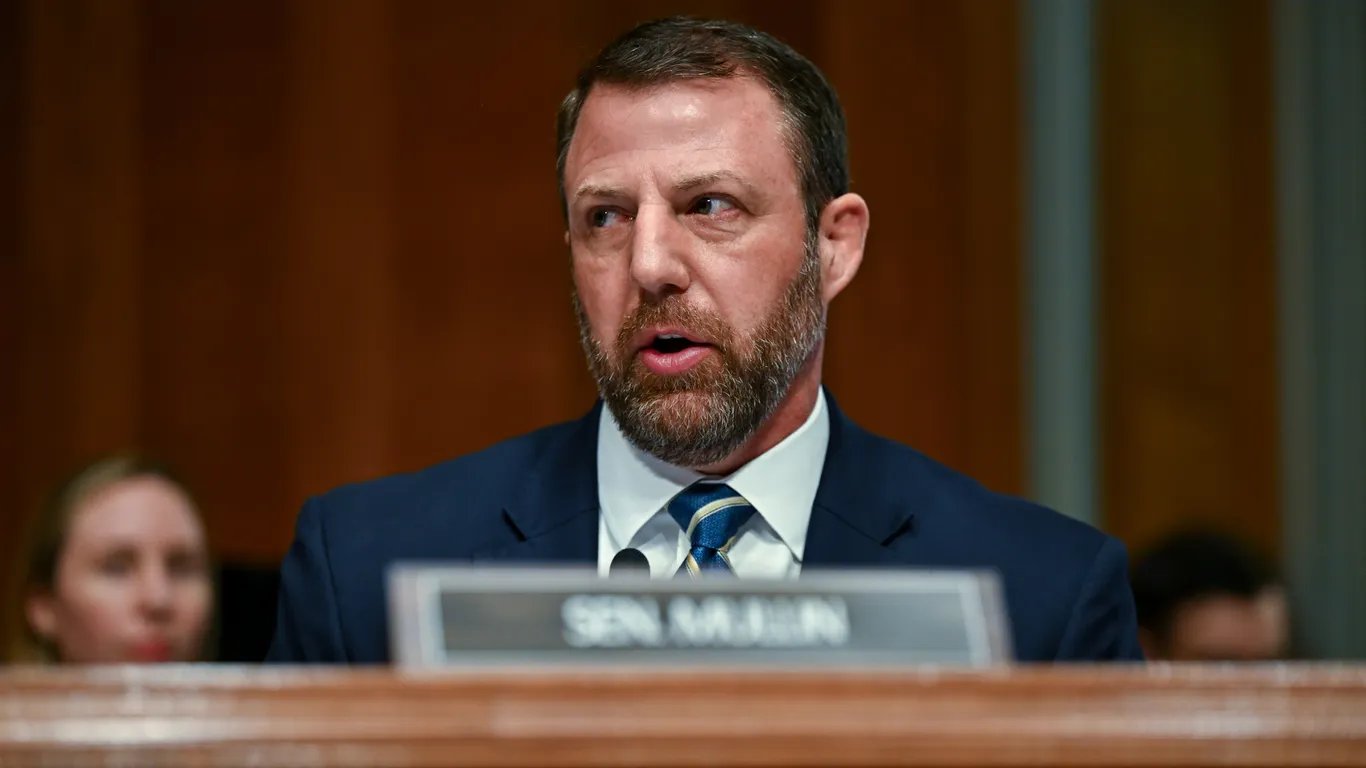
The Senate confirmed Markwayne Mullin as secretary of the Department of Homeland Security on Monday in a 54-45 vote, installing the Oklahoma Republican at the helm of an agency crippled by a 37-day funding shutdown. Mullin replaces Kristi Noem, whom President Trump dismissed after months of scrutiny and a pair of deadly shootings by federal agents during immigration enforcement operations in Minneapolis. The 48-year-old former House member and mixed martial arts fighter now oversees an agency where roughly 100,000 of its more than 250,000 employees have worked without pay, and more than 400 Transportation Security Administration officers have quit since the shutdown began.
The confirmation comes as airport security lines have stretched for hours nationwide. Mullin pledged during his hearing to chart a different course than his predecessor, emphasizing what he called an "empowering" leadership style and promising to require judicial warrants before federal agents enter homes and businesses, a potential concession to Democrats who have demanded curbs on Immigration and Customs Enforcement tactics.
The Vote and Its Fractures
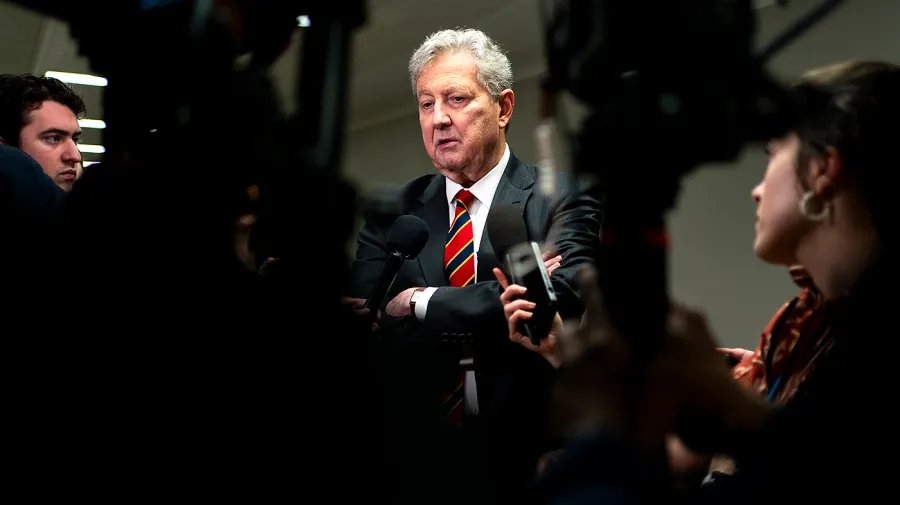
Mullin's confirmation split along largely partisan lines, though it exposed fissures on both sides. Democratic Senators John Fetterman of Pennsylvania and Martin Heinrich of New Mexico voted to confirm him, while Republican Senator Rand Paul of Kentucky cast the sole GOP vote against confirmation. Paul, who chairs the Senate Homeland Security Committee, confronted Mullin during the hearing, calling him out for allegedly calling him a "freaking snake" and saying he understood why a neighbor attacked Paul in 2017.
Heinrich called Mullin a friend and cited their work together on legislation, saying he had seen firsthand that Mullin "is not someone who can simply be bullied into changing his views" and that he looked forward to having a secretary who does not "take their orders from Stephen Miller," the White House deputy chief of staff for policy and homeland security adviser.
Unresolved Tensions Over Reform
Democrats have withheld support for DHS funding unless Republicans agree to restrict ICE and Border Patrol tactics, including requiring identification badges, removing masks during operations, and mandating judicial warrants for raids on private property. Senate Democrats overwhelmingly opposed Mullin's nomination, with only the two exceptions noted above.
Gary Peters of Michigan, the top Democrat on the Homeland Security Committee, said before voting against Mullin that "We need a secretary who is a steady leader who won't rush to judgment without having all the facts and who won't add fuel to the fire when there is a crisis." Peters and others have made clear their opposition stems from policy disagreements, not personnel preferences. Andy Kim of New Jersey, a former Obama national security official, said the problems run deep within the administration itself, rooted in decisions by Trump and Miller.
Mullin's Foreign Travel Questions
Senators from both parties pressed Mullin on undisclosed foreign travel. He claimed to have taken a classified trip in 2015 as a House member, saying he "smelled" and "tasted" war, but declined to provide details publicly. Democratic senators who attended a classified briefing on the matter said they left with more questions than answers. Both Paul and Peters voted against Mullin partly over these concerns.
What Comes Next
Mullin's confirmation opens his Oklahoma Senate seat, which Governor Kevin Stitt is expected to fill by appointing a replacement. Mullin's confirmation is unlikely to unlock a deal, as Democrats have made it clear that their opposition to funding DHS is about policy, not personnel. Trump told reporters Monday that Mullin "is going to be fantastic" and "the right guy," but the White House has complicated talks by insisting any deal include the SAVE America Act, a voting law requiring proof of citizenship to vote. With the shutdown now in its sixth week, TSA staffing shortages continue to snarl air travel, intensifying pressure on lawmakers to resolve the impasse.