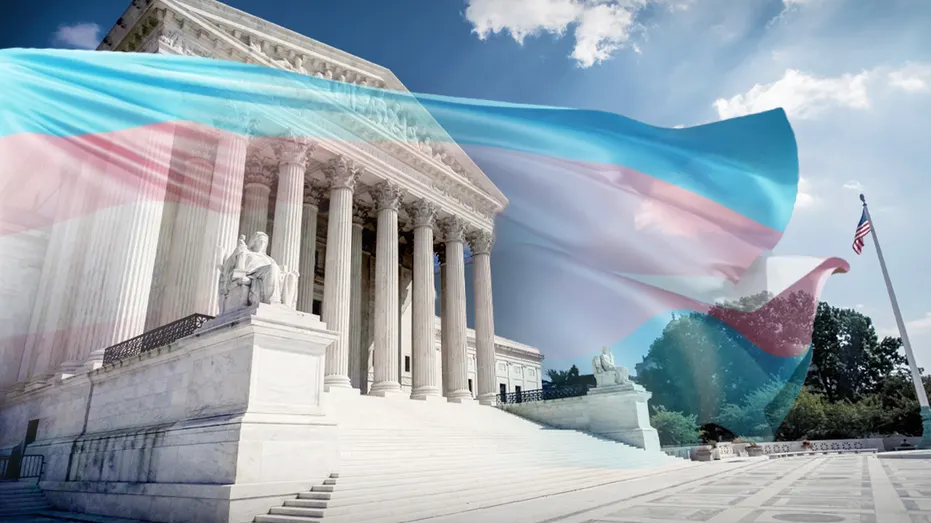
The Supreme Court reinstated a lower court's injunction blocking California policies that prevented schools from notifying parents when their children socially transitioned at school. The sources indicate the unsigned majority opinion in Mirabelli v. Bonta involved substantive due process and parental rights, but the full text of the Court's constitutional reasoning is not provided in available sources.
The injunction blocks California policies from preventing schools from notifying parents about their child's gender identity changes. The precise scope of what schools must disclose and under what circumstances is not detailed in available sources.
The ruling applies to California. Whether it affects policies in other states will depend on their specific language and how courts apply this precedent.
The sources indicate the case involved substantive due process and parental rights, but the full text of the Court's constitutional reasoning and how it applied this framework is not provided in available sources.
The trial court originally blocked California's policies. California appealed, and the lower appeals court sided with the state. The Supreme Court then intervened by reinstating the trial court's injunction, meaning the blocking order takes effect immediately while the full case continues.
The unsigned majority opinion in Mirabelli v. Bonta involved parental notification about gender identity changes. The sources do not provide vote counts or details about individual justices' positions. The decision came through the Court's emergency docket. The sources do not explain the procedural significance or why this case was treated as time-sensitive.
The case will continue through the lower courts on the merits. The sources do not discuss potential next steps or how the Court's reinstatement of the injunction affects the likelihood of further review.
The reinstatement of the injunction blocks California policies from preventing schools from notifying parents about gender identity changes. The precise scope and any exceptions are not detailed in available sources.
The Supreme Court reinstated a lower court's injunction blocking California policies that prevented schools from notifying parents when their children socially transitioned at school. The unsigned majority opinion in Mirabelli v. Bonta found that California's rules violated parents' constitutional rights under the Due Process Clause.
The ruling means schools in California can no longer keep parents in the dark about their child's gender identity changes. Parents now have the legal right to know when their child requests to use different pronouns or names at school.
This decision will likely reshape parental rights battles nationwide. Courts in other states will now face pressure to follow the Supreme Court's reasoning when similar cases arise. The ruling establishes that parents have a fundamental constitutional interest in knowing about major changes in their child's life at school, even when the child requests secrecy.
The case hinged on what the Constitution protects. The Court determined that parental rights to direct the upbringing and education of children fall under substantive due process protections. This is the same constitutional framework courts use to protect other fundamental rights. By applying it here, the Supreme Court elevated parental notification rights to a constitutional level.
The trial court originally blocked California's policies. California appealed, and the lower appeals court sided with the state. The Supreme Court then intervened by reinstating the trial court's injunction, meaning the blocking order takes effect immediately while the full case continues.
The majority's unsigned opinion signals that at least five justices agreed on the core principle: parents have a constitutional right to know when schools facilitate their child's gender transition. The decision came through the Court's emergency docket, a faster process typically used for time-sensitive cases.
The case will continue through the lower courts on the merits. California could ask the Supreme Court to reconsider, though the reinstatement of the injunction suggests the Court has already signaled its likely final position. Other states with similar policies now face legal exposure. School districts across the country will need to review their own gender transition notification policies and likely revise them to comply with this ruling.
For families in California, the immediate effect is clear: schools must tell parents when their children request to change names or pronouns at school. The Supreme Court has decided that keeping parents in the dark violates their fundamental rights.
Highlighted text was flagged by the council. Tap to see feedback.