
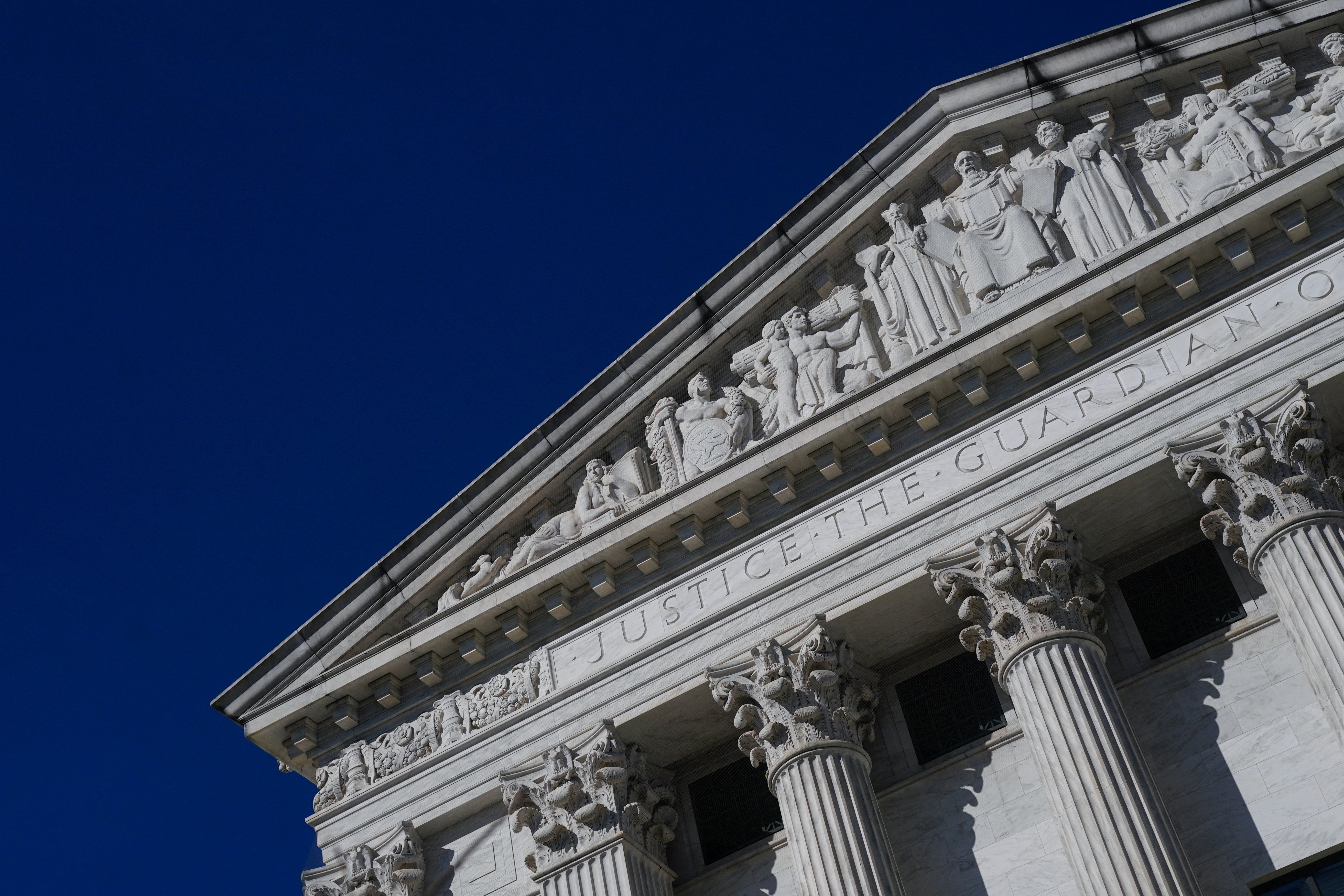





Legal Challenge Overview
The U.S. Supreme Court is set to hear a pivotal case on March 23 regarding the counting of mail ballots postmarked by Election Day but arriving afterward. This case, known as Watson v. RNC, centers on Mississippi's law allowing ballots to be counted if received within five days after Election Day, a policy similar to those in 13 other states and the District of Columbia. The Republican National Committee argues that such grace periods violate federal statutes mandating that ballots must be received by Election Day.
Implications for Voter Participation
If the Supreme Court rules against Mississippi's law, some election officials fear widespread voter disenfranchisement. Election officials in states with grace periods have expressed concern that a ruling could lead to widespread confusion and disenfranchisement. Stuart Holmes, director of elections for Washington, noted that in 2024, 127,000 ballots were received after Election Day.
Arguments for Grace Periods
Supporters of grace periods, including local election officials and voting rights groups, argue that these policies ensure all timely cast votes are counted, regardless of postal delays. Kristin Connelly, the clerk-recorder for Contra Costa County, California, stated, "It's not that people are casting a vote after Election Day. This is just allowing us to make sure that we receive all of the timely cast ballots."
Opposition to Mail Ballot Counting
Opponents, led by the RNC, assert that allowing late-arriving ballots undermines election integrity, a claim disputed by election experts. Jason Snead, executive director of the Honest Elections Project, stated, "This is a question of Congress long ago exercising its power and now the Supreme Court has an opportunity to bring states back into check that are violating that law." They argue that counting ballots after Election Day invites fraud and creates the appearance of fraud, a claim contested by election experts.
Potential Consequences for Military and Overseas Voters
A ruling against grace periods could particularly impact military and overseas voters who rely on mail ballots. David Becker, an election law expert, warned that if the Supreme Court mandates that ballots must be in hand by Election Day, it could disenfranchise nearly 4 million servicemembers and U.S. citizens living abroad. Becker emphasized that mail voting is not subject to significant fraud and that instances of fraud are exceedingly rare.
State-Specific Responses
As the Supreme Court prepares to rule, some states are already reacting. Four states—Ohio, Kansas, North Dakota, and Utah—have eliminated grace periods, tightening their mail ballot deadlines. Ohio's Republican Governor Mike DeWine expressed regret over the new restrictions, stating that he preferred to maintain grace periods for voter security and comfort.
Next Steps for Voters
The Supreme Court's decision is expected by early July, just months before the November midterm elections. Election officials in states with grace periods will need to quickly educate voters about any changes in mail ballot policies. Experts warn that abrupt changes could lead to chaos, with voters potentially unaware of new deadlines, complicating the already challenging process of mail-in voting.
The Broader Context of Voting Rights
This case is one of several the Supreme Court is reviewing this term that could reshape voting rights and election security. The outcome will not only affect Mississippi but could set a precedent impacting voting procedures across the nation. As debates over mail-in voting continue, the court's ruling will have significant implications for how elections are conducted in the United States, particularly as the nation approaches a critical midterm election period.

The sources also report that nearly 4 million servicemembers and U.S. citizens living abroad rely on mail ballots to vote, highlighting the potential impact of the Supreme Court's ruling on these voters.