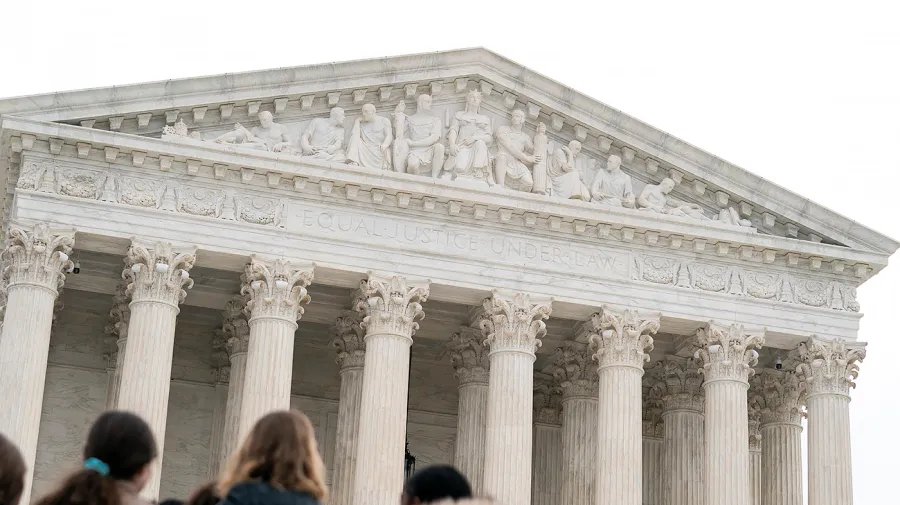
The Supreme Court is set to decide whether the U.S. can turn away asylum seekers at its southern border, a move that could significantly alter the immigration landscape. The Trump administration is arguing for broad authority to turn migrants away, regardless of their claims for protection from violence and persecution, according to court filings. This legal challenge concerns the "turn back" policy from Trump's first term, which was discontinued in 2021 after a lower court deemed it unlawful.
At the heart of the dispute is the interpretation of the Immigration and Nationality Act, which mandates that noncitizens physically present in the U.S. or arriving at designated ports must be allowed to apply for asylum. Trump Solicitor General John Sauer argues that individuals who are stopped in Mexico have not "arrived in" the U.S. under this definition. In contrast, immigrant advocates assert that the law was designed to protect vulnerable individuals, echoing historical failures to accept refugees.
Benito, a Mexican asylum seeker, shared his harrowing experience, stating he had been tortured and faced life-threatening situations. Despite his visible scars and pleas for help, U.S. immigration agents denied him entry. "I did everything correctly," he said, expressing his anguish over being turned away.
The Trump administration has invoked various legal justifications to support its border policies, claiming a need to manage surges of migrants and prevent overcrowding at ports of entry. Melissa Crow, director of litigation at the Center for Gender & Refugee Studies, stated that a ruling for the administration could give them "even more leeway to restrict the rights of people seeking asylum."
The Supreme Court is expected to issue its decision by the end of June, which could reshape how asylum claims are processed at the border. The outcome will not only affect future asylum seekers but also those already navigating a complex immigration system. As this critical ruling approaches, the lives of many vulnerable individuals hang in the balance, underscoring the urgent need for a fair and humane asylum process.
The Supreme Court is set to decide whether the U.S. can turn away asylum seekers at its southern border, a move that could significantly alter the immigration landscape. The Trump administration has requested broad authority to block migrants from entering the country, regardless of their claims for protection from violence and persecution. This legal challenge arises from the administration's controversial "turn back" policy, which was initially rescinded in 2021 after being deemed unlawful by a lower court.
At the heart of the dispute is the interpretation of the Immigration and Nationality Act, which mandates that noncitizens physically present in the U.S. or arriving at designated ports must be allowed to apply for asylum. Trump Solicitor General John Sauer argues that individuals who are stopped in Mexico have not "arrived in" the U.S. under this definition. In contrast, immigrant advocates assert that the law was designed to protect vulnerable individuals, echoing historical failures to accept refugees.
The implications of the Court’s ruling could be profound for tens of thousands of asylum seekers. Many have faced dire conditions while waiting in Mexico for a chance to present their cases. Benito, a Mexican asylum seeker, shared his harrowing experience, stating he had been tortured and faced life-threatening situations. Despite his visible scars and pleas for help, U.S. immigration agents denied him entry. "I did everything correctly," he said, expressing his anguish over being turned away.
The Trump administration has invoked various legal justifications to support its border policies, claiming a need to manage surges of migrants and prevent overcrowding at ports of entry. However, critics, including Melissa Crow from the Center for Gender & Refugee Studies, worry that a ruling favoring the administration will further restrict asylum rights. "We have no doubt the administration is seeking a decision that will give them even more leeway to restrict the rights of people seeking asylum," Crow stated.
The Supreme Court is expected to issue its decision by the end of June, which could reshape how asylum claims are processed at the border. The outcome will not only affect future asylum seekers but also those already navigating a complex immigration system. As this critical ruling approaches, the lives of many vulnerable individuals hang in the balance, underscoring the urgent need for a fair and humane asylum process.
Highlighted text was flagged by the council. Tap to see feedback.






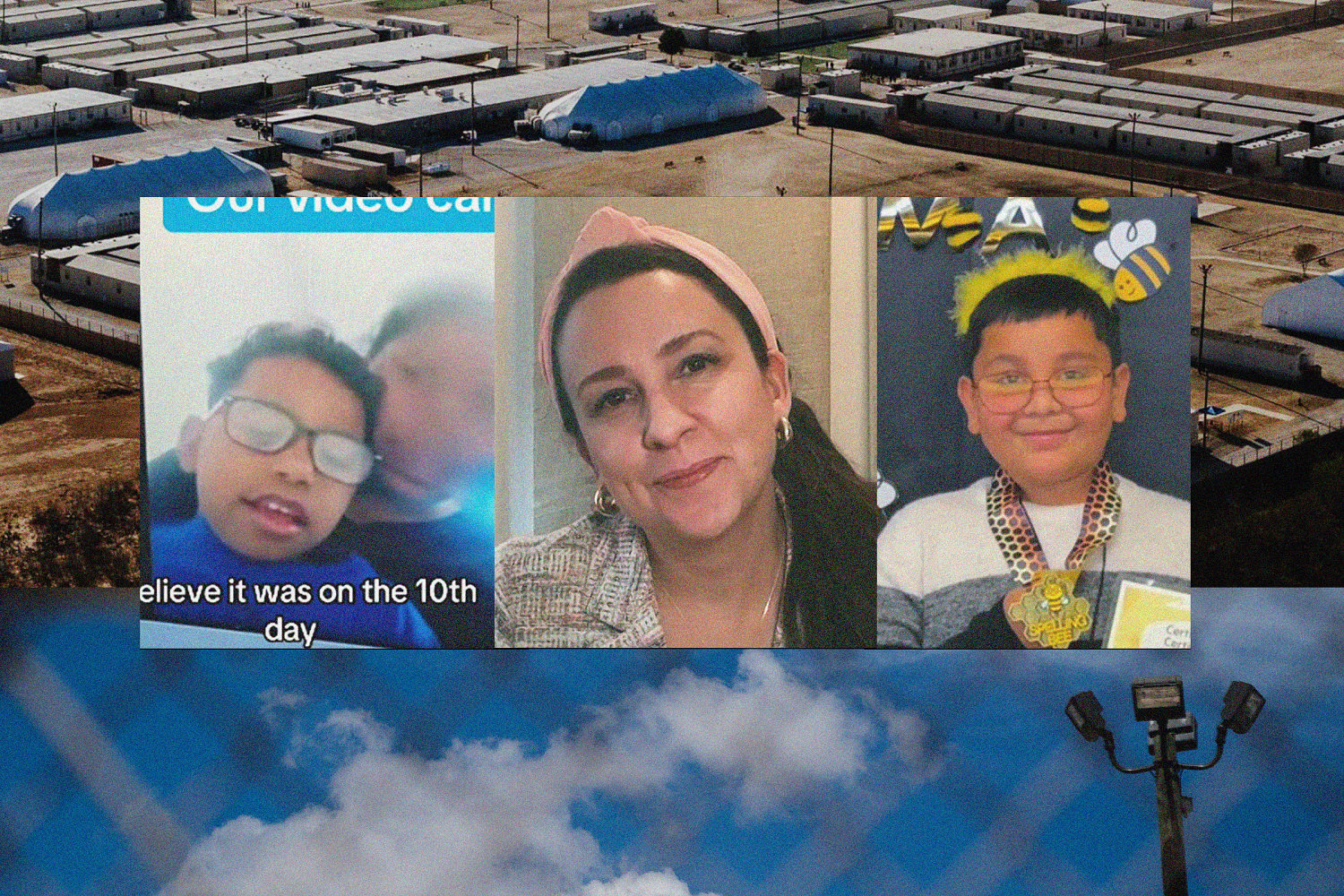
The sources also report that tens of thousands of asylum seekers were forced to remain in Mexico for weeks or months during Trump's first term, as Benito experienced.