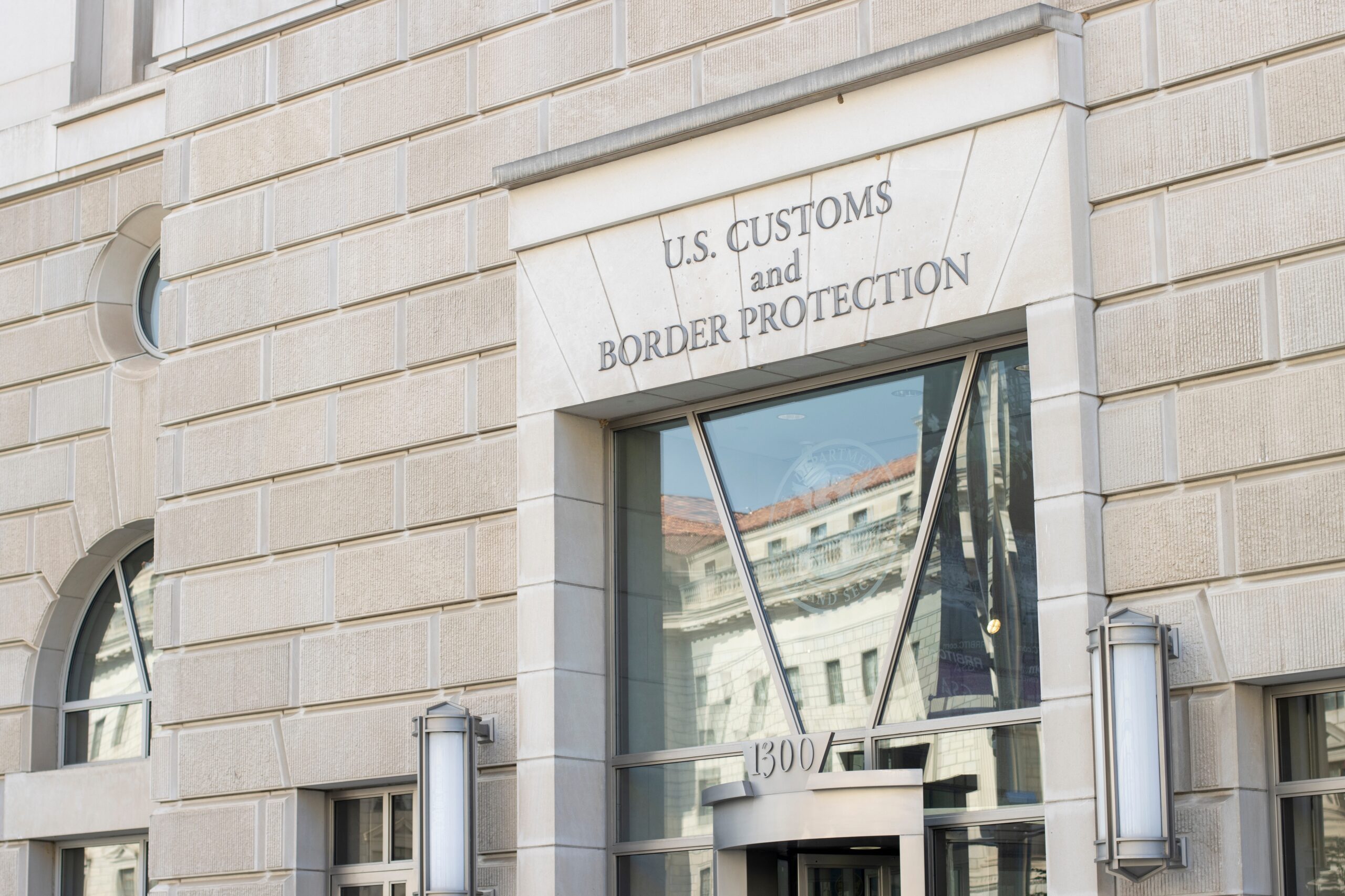
US Customs has reported that its system for processing tariff refunds stands at 40 to 80 percent complete, with one official noting 70 percent as the current mark. The Trump administration informed a federal judge that additional performance testing will occur in the next few weeks to refine the web-based portal. This development follows the Supreme Court's decision to overturn the tariffs, allowing the agency to focus on rerouting funds.
Businesses are seeking refunds of $166 billion in levies, which will be rerouted to roughly 330,000 importers. The administration has described the portal as a key tool for handling these requests, though no exact launch date has emerged from official statements.
US Trade Representative Jamieson Greer urged companies receiving refunds to distribute the nearly $170 billion back to their employees as bonuses. Greer said this approach would directly benefit workers who felt the tariffs' impact through job disruptions. His comments highlight a shift in how the funds might circulate in the economy, prioritizing labor over corporate reserves.
The agency plans performance testing in the next few weeks to ensure the portal functions smoothly for refund processing. This phase could determine how quickly businesses access their money, with implications for cash flow in various sectors.
The portal's advancement means importers might soon recover funds, directly affecting supply chains and consumer prices for goods. Workers in affected industries could see bonuses if companies follow Greer's call, potentially increasing household income. As testing wraps up, this could lead to wider economic relief, touching households through lower costs and steady paychecks.
US Customs has reported that its system for processing tariff refunds stands at 40 to 80 percent complete, with one official noting 70 percent as the current mark. The Trump administration informed a federal judge that additional performance testing will occur in the next few weeks to refine the web-based portal. This development follows the Supreme Court's decision to overturn the tariffs, allowing the agency to focus on rerouting funds.
Businesses are seeking refunds of $166 billion paid in levies, affecting roughly 330,000 importers who filed claims. The administration has described the portal as a key tool for handling these requests, though no exact launch date has emerged from official statements. Importers now face shorter waits as the system moves forward, potentially easing financial pressures on companies that absorbed the costs.
US Trade Representative Jamieson Greer urged companies receiving refunds to distribute the nearly $170 billion back to their employees as bonuses. Greer emphasized that this approach would directly benefit workers who felt the tariffs' impact through job disruptions or wage cuts. His comments highlight a shift in how the funds might circulate in the economy, prioritizing labor over corporate reserves.
The agency plans performance testing in the next few weeks to ensure the portal functions smoothly for refund processing. Officials have not specified potential delays, but the varying completion estimates from 40 to 80 percent suggest ongoing adjustments. This phase could determine how quickly businesses access their money, with implications for cash flow in various sectors.
The portal's advancement means importers might soon recover funds, directly affecting supply chains and consumer prices for goods. Workers in affected industries could see bonuses if companies follow Greer's advice, putting extra money in pockets for bills or savings. As testing wraps up, this could lead to wider economic relief, touching households through lower costs and steady paychecks.
Highlighted text was flagged by the council. Tap to see feedback.