
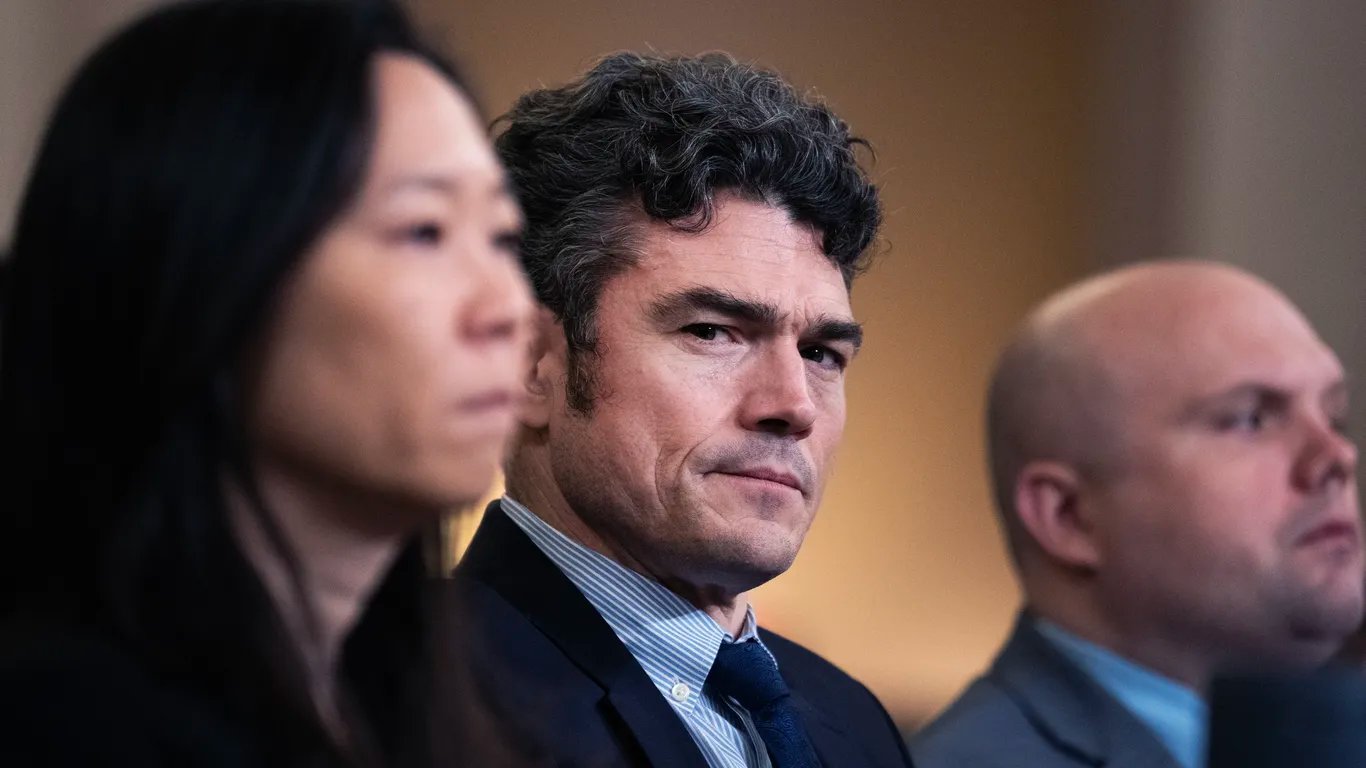





Kent's Resignation Highlights Internal Dissent
Joe Kent, the director of the National Counterterrorism Center, resigned on March 17, citing his inability to support the ongoing war in Iran. In his resignation letter, Kent stated, "Iran posed no imminent threat to our nation, and it is clear that we started this war due to pressure from Israel and its powerful American lobby."
The Fallout from Kent's Departure
President Trump responded to Kent's resignation by labeling him as "very weak on security," asserting that Iran remains a substantial threat. White House press secretary Karoline Leavitt echoed this sentiment, claiming Kent's assertions were "false" and a repeat of narratives pushed by Democrats. She stated that the administration had "strong and compelling evidence" that justified military action against Iran. Kent's resignation has sparked discussions about the direction of U.S. counterterrorism strategies under the current administration.
Context of the Ongoing Conflict
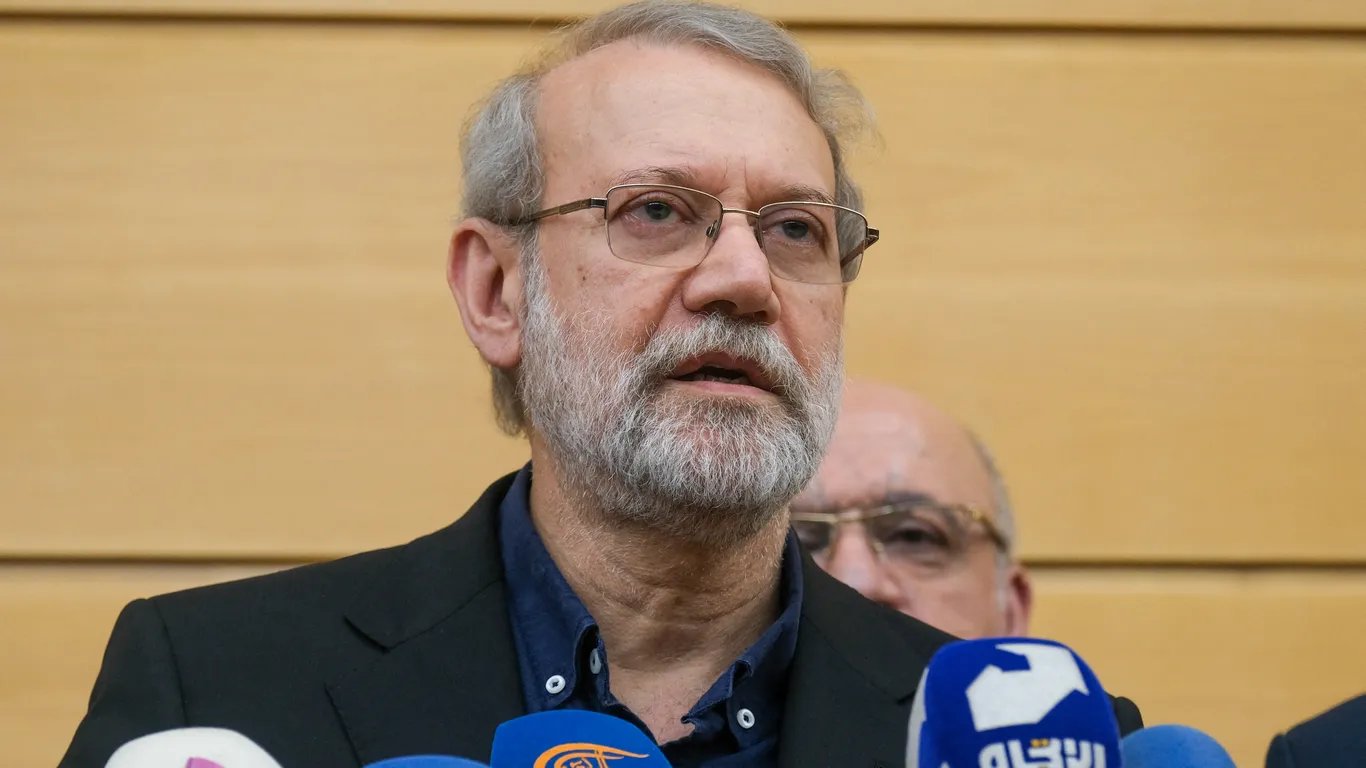
The resignation coincides with escalating violence in the region, including Israel's reported killing of two high-ranking Iranian officials, Ali Larijani and Gholamreza Soleimani. Larijani, who was head of Iran's Supreme National Security Council, represented a crucial figure in the Iranian leadership structure, while Soleimani commanded the Basij paramilitary forces. Their deaths are seen as a significant setback for Iran and have heightened tensions in an already volatile situation.
Kent's Personal Stakes and Criticism of War Policy
Kent's concerns about the war are deeply personal; he is a veteran who lost his wife, Shannon, to a suicide bombing in Syria. He stated in his resignation that he could not support sending future generations into a war that serves no benefit to the American people, referencing his experience as a Gold Star husband who lost his wife in a previous conflict. He accused Israeli officials and some U.S. media of orchestrating a misinformation campaign that led to the current military actions, drawing parallels to the misleading narratives that preceded the Iraq War.
Diverging Opinions Within the Administration
In the wake of Kent's departure, other administration officials, including Tulsi Gabbard, who oversees the National Counterterrorism Center, have remained supportive of Trump's decisions. Gabbard emphasized that it is the president's responsibility to assess threats and make decisions accordingly. Meanwhile, some Republican lawmakers criticized Kent's stance, with Rep. Don Bacon (R-Neb.) responding to his resignation with "Good riddance," stating that Iran has caused significant harm to American forces.
Broader Implications for U.S. Foreign Policy
Kent's resignation illustrates a growing divide within the Trump administration regarding military intervention and foreign policy. As the conflict in Iran continues, the U.S. is experiencing rising gas prices, with average domestic prices now topping $3.70 a gallon. The war also carries potential economic repercussions that could affect American households. Analysts are watching closely how this internal dissent will shape future military and diplomatic strategies, particularly in light of the ongoing war's impact on global energy markets.
Conclusion: The Path Forward
As the conflict continues and tensions rise, the administration must navigate the challenges of dissenting voices while addressing the broader implications for national security and economic stability. The future of U.S.-Iran relations and the effectiveness of current strategies may hinge on how these internal conflicts are resolved.

The sources do not mention specific gas price figures, while the summary claims prices are topping $3.70 a gallon.