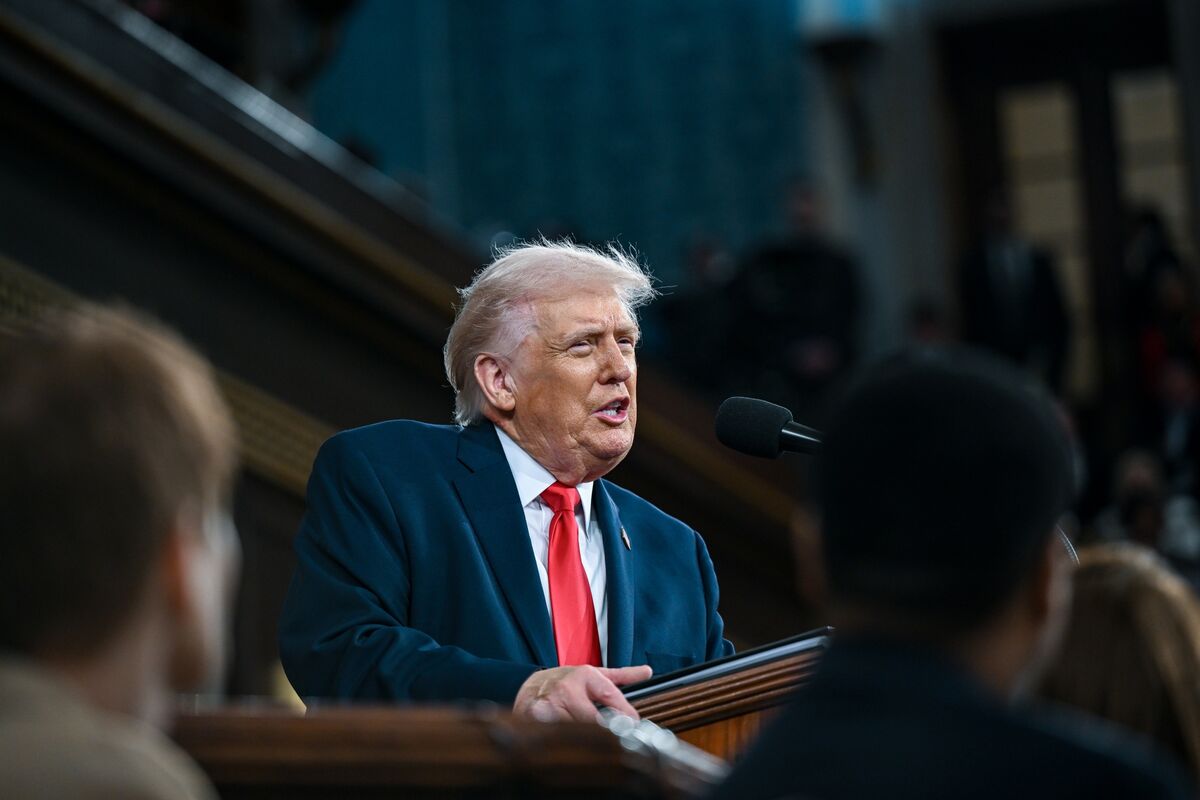
President Donald Trump announced plans for "rate payer protection pledges" during his State of the Union address aimed at addressing rising electricity costs. The pledges would require major technology companies to cover increased electricity costs associated with their data centers. Whether this reduces household bills depends on implementation details not yet disclosed.
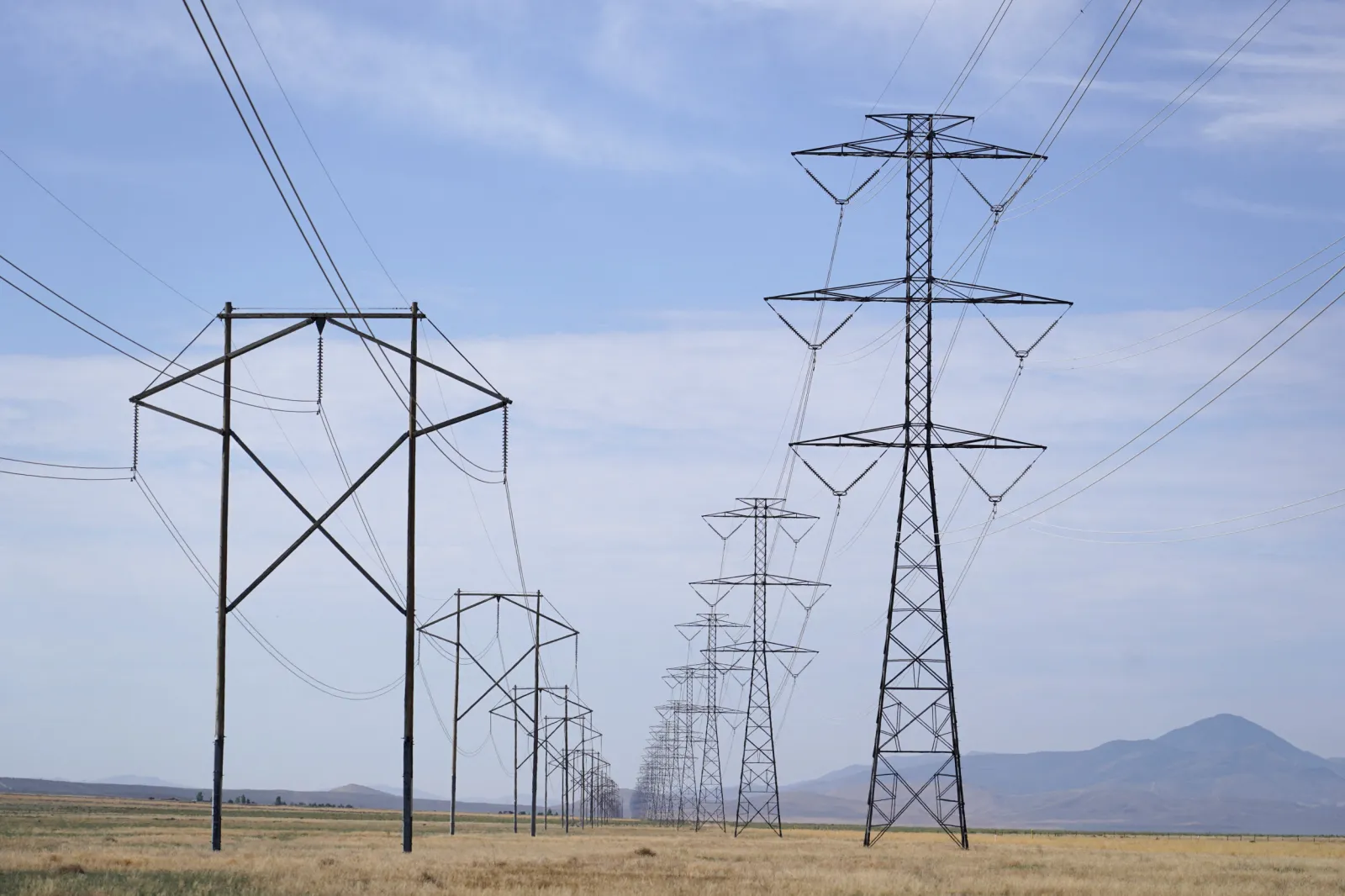
Trump's pledges aim to shift data center electricity costs to tech companies rather than ratepayers. The actual impact on household bills will depend on how utilities structure rates and whether companies absorb or redirect these costs elsewhere. Data centers consume substantial electricity as their numbers grow.
Data centers are one of several factors contributing to rising electricity costs. The pledges focus on shifting costs to tech companies rather than consumers. The White House has not yet disclosed which companies have made pledges, what specific commitments they contain, or how they will be enforced.
Consumers will need clarity on implementation details to assess the actual impact on their electricity bills. The impact of these pledges will depend on which companies participate, what they commit to, and how utilities structure rates. Families will be looking for clear answers on how these changes might affect their budgets.
President Donald Trump is taking a significant step to address rising electricity costs directly impacting American households. In his recent State of the Union address, he announced plans for "rate payer protection pledges" that would hold major technology companies accountable for their energy consumption. This initiative aims to lessen the financial burden on everyday consumers as data centers—often energy-intensive—contribute to escalating utility prices.
If successful, Trump's agreements with Big Tech could mean a reduction in monthly electric bills for millions of Americans. By requiring these companies to cover part of the costs associated with their energy usage, households may see a tangible decrease in their electricity expenses. Given the rapid growth of data centers, which demand substantial power, this pledge could represent a proactive approach to balancing energy costs with consumer protection.
This initiative not only aims to relieve financial pressure on families but also seeks to address environmental concerns linked to energy consumption. As data centers proliferate, their impact on local grids and overall energy demand has become a pressing issue. Trump's plan could set a precedent for how large corporations engage with energy providers and manage their consumption, possibly leading to more sustainable practices across the tech industry.
As details unfold, consumers should keep an eye on how these pledges will be implemented and what specific commitments Big Tech companies will make. The success of this initiative could redefine the relationship between energy providers and tech giants, ultimately shaping the future landscape of energy costs for American households. With the stakes this high, families will be looking for clear answers on how these changes might impact their budgets in the coming months.
Highlighted text was flagged by the council. Tap to see feedback.