Trump Claims 'Absolute Right' to Impose New Tariffs After Supreme Court Ruling
Revised after bias review
 Council News
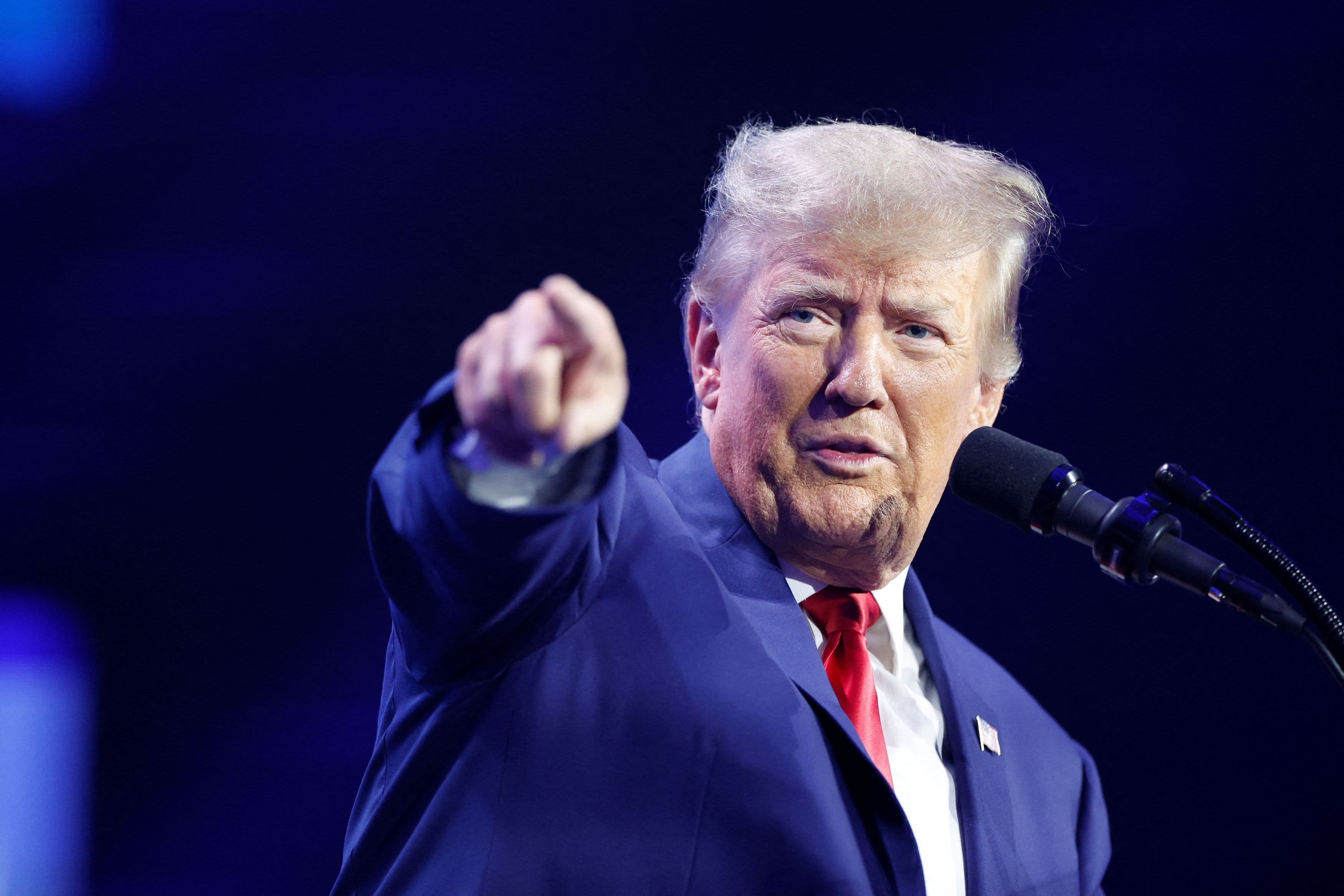





Trump claims he has ‘absolute right’ to impose new tariffs after supreme court blow. This is a potential policy change.
Trump claiming absolute right to impose new tariffs after Supreme Court setback signals concrete policy direction change affecting trade and consumer prices.
Trump asserted he has 'absolute right' to impose new tariffs after the Supreme Court setback, newly revealing his intended legal rationale for bypassing Congress.
Donald Trump declared he has "the absolute right" to impose new tariffs following a Supreme Court ruling that invalidated many import duties he enacted last year. In a late-night statement, Trump accused the court of having "unnecessarily RANSACKED" the United States and failing to uphold loyalty to his administration. In February, the Supreme Court found that a 1977 law regarding national emergencies did not justify the tariffs imposed by Trump.
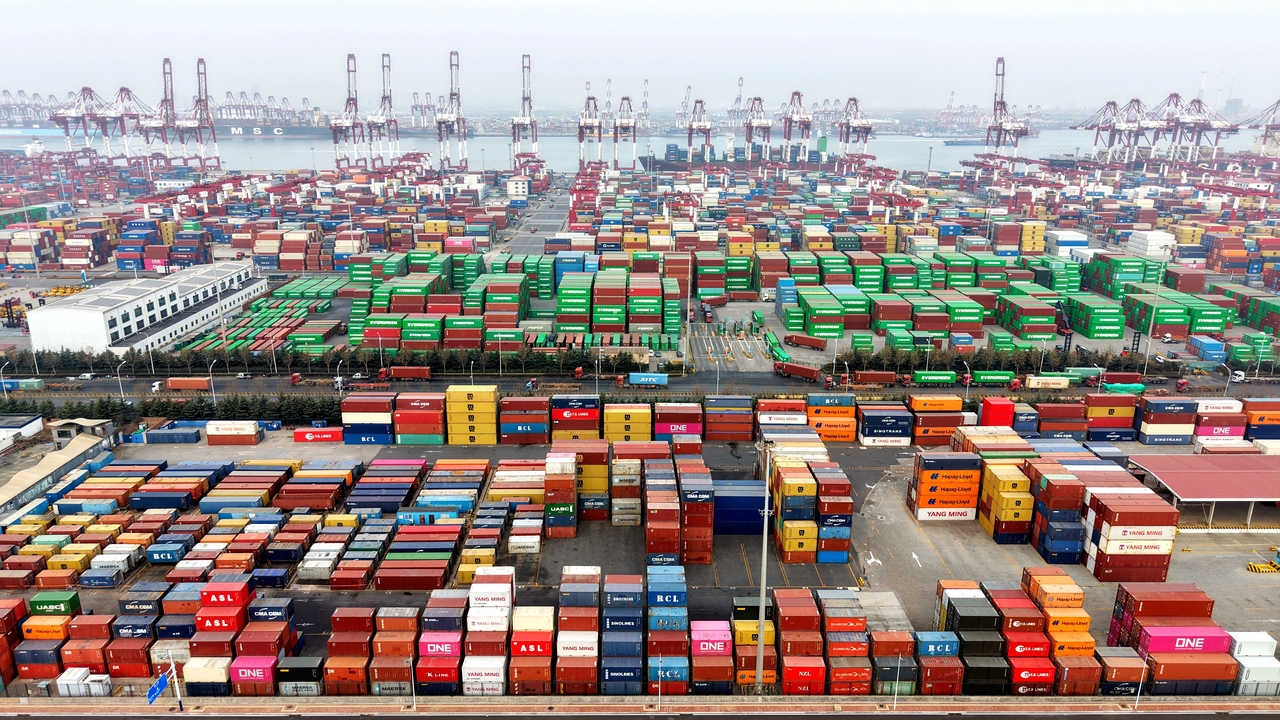
In response to the ruling, Trump quickly enacted a 10% tariff on a wide range of imports using Section 122 of the 1974 Trade Act. This temporary measure is set to expire in July, and Trump has indicated plans to raise this duty to 15%. However, he has not yet implemented this increase. The administration is also exploring other legal avenues to recover tariff revenue lost due to the court's decision, demonstrating a commitment to reshaping trade policy despite recent setbacks.
Last week, U.S. officials launched a string of trade investigations, laying the groundwork for potential new permanent tariffs. Trump stated on social media that the Supreme Court's decision did not preclude him from imposing tariffs in different forms. He noted, "I have the absolute right to charge TARIFFS in another form, and have already started to do so," highlighting his intent to continue leveraging economic power in international relations.
Trump's frustrations extended to the justices themselves, as he criticized both Republican appointees and the court's overall conduct. "This completely inept and embarrassing Court was not what the Supreme Court of the United States was set up by our wonderful Founders to be," he stated, reflecting a deepening tension between the executive branch and the judiciary.
The fallout from the Supreme Court ruling comes at a critical time, with upcoming meetings between U.S. and foreign leaders, including discussions with Mexican officials regarding the USMCA trade agreement and a potential summit with Chinese President Xi Jinping. Trump has signaled that these discussions may be complicated by his administration's aggressive trade stance, including threats to cut off trade with Spain over military base access.
As Trump navigates these turbulent waters, the administration's approach to tariffs and trade policy will play a crucial role in shaping the economic climate in the coming months.
Cross-referenced to ensure accuracy