President Trump postponed threatened strikes on Iran's power plants Monday, citing "very good and productive conversations" about ending the conflict that has killed more than 2,000 people in its fourth week. The announcement sent global financial markets surging as investors bet on a potential resolution to the war that has disrupted oil supplies and rattled the world economy.
The Dow Jones Industrial Average jumped 1,076 points, or 2.4%, to 46,654. The S&P 500 added 138 points, or 2.1%, while the tech-heavy Nasdaq Composite gained 2.4%. Oil prices fell sharply, with Brent Crude plunging 10% to around $100 per barrel as of 5:30 p.m. Eastern time. This was up $28 from immediately before the war began on Feb. 28 but down $18 from the previous week's peak.
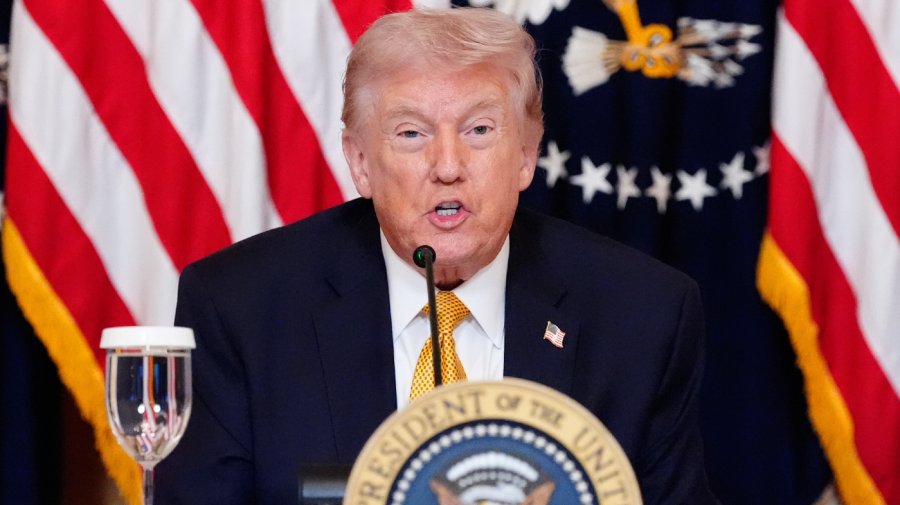
Trump posted on social media that he had "instructed the Department of War to postpone any and all military strikes against Iranian power plants and energy infrastructure for a five day period, subject to the success of the ongoing meetings and discussions." The move represented a dramatic reversal from his weekend ultimatum demanding Iran reopen the Strait of Hormuz within 48 hours or face obliteration of its power infrastructure.
A senior Iranian Foreign Ministry official confirmed to CBS News that Tehran had received communication from Washington. "We received points from the U.S. through mediators and they are being reviewed," the official said, though Iran's Foreign Ministry initially denied any direct negotiations were underway.
Pakistan has positioned itself as a key go-between, with Pakistani Prime Minister Shehbaz Sharif and army chief Field Marshal Asim Munir speaking with Iranian President Masoud Pezeshkian on Monday. Pakistani Foreign Minister Ishaq Dar also spoke with counterparts in Turkey and Egypt, who are pursuing separate diplomatic channels. NBC News reported that an in-person meeting could be held in coming days in Islamabad, the Pakistani capital, though the White House declined to confirm details, saying "these are sensitive diplomatic discussions and the U.S. will not negotiate through the press."
Trump told reporters the U.S. was communicating with a "top person" in Iran but declined to name the individual "because I don't want him to be killed." Multiple media outlets, including Reuters, citing anonymous sources, identified the interlocutor as Iranian parliament speaker Mohammad Bagher Qalibaf. Trump claimed Iran had initiated contact, saying "they called, I didn't call. They called. They want to make a deal."
Iran's Foreign Ministry spokesman Esmail Baqaei stated that Tehran had received "messages delivered through certain friendly countries indicating that the U.S. sought negotiations to end the war" but denied direct talks. "In our responses, we issued firm warnings about the severe consequences of any attack on Iran's critical infrastructure," Baqaei said.
A semiofficial Iranian news agency close to the Revolutionary Guard Corps claimed Trump had "retreated" from his threat due to Iran's counter-threats to attack energy infrastructure across the Middle East. Iran's state television network IRIB said Trump postponed the deadline "out of fear of Iran's response."
Retired U.S. Army Lieutenant General H.R. McMaster, a CBS News contributor, attributed the confusion to Iran's fractured state. "The Iranian regime is fragmented right now" and the foreign ministry "probably doesn't know" who is talking to mediators or the U.S. directly, McMaster said. "I think we're going to see a lot of this kind of confusing reporting because the Iranians are so fragmented from these strikes."
Trump claimed Iran had agreed to forgo nuclear weapons development. "They've agreed they will not have a nuclear weapon," Trump said. Iran has made no such assertion publicly and has long rejected his demand that it cease all uranium enrichment.
The president said the two sides had "about 15 points of agreement" and predicted "a very good chance we're going to end up in a deal." He gave the negotiations five days to succeed before deciding whether to resume military operations. "If it goes well, we're going to end up with settling this," Trump told reporters. "Otherwise, we'll just keep bombing our little hearts out."
It remains unclear whether Israel would be included in any agreement. The U.S. and Israel began joint strikes on Iran in late February, but have occasionally disagreed on targeting strategy. Netanyahu said Monday that Israel would continue striking Iran and Lebanon regardless of U.S. negotiations, stating "there's a chance to leverage battlefield gains into an agreement that realizes the war's objectives."
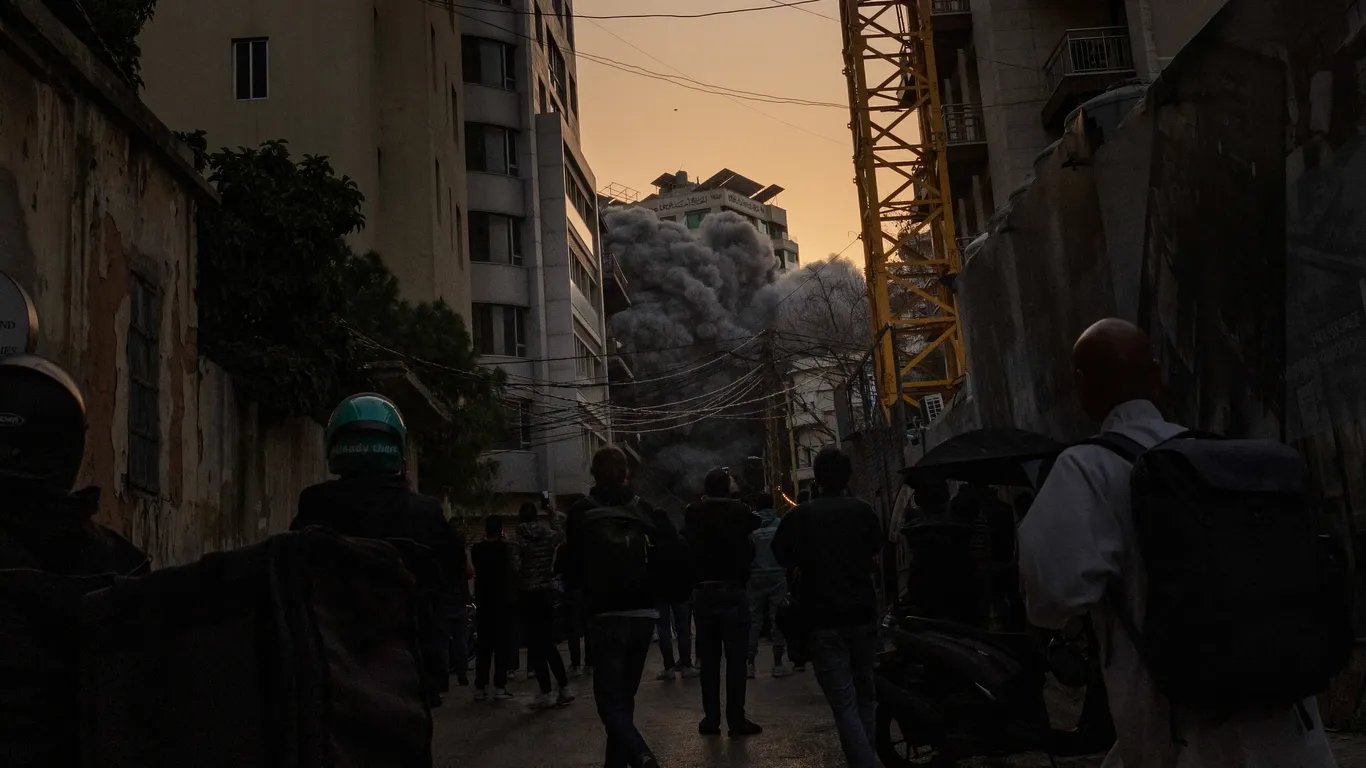
Despite the diplomatic opening, military operations continued. Iranian state media announced that fresh salvos of missiles were headed toward Israel Tuesday morning, claiming the projectiles passed through Israeli missile defenses. Israeli strikes hit a residential apartment in Bchamoun, around six miles southeast of Beirut, killing at least two people according to the Lebanese Health Ministry.
The United Arab Emirates intercepted seven Iranian ballistic missiles and 16 drones on Monday alone, the country's Ministry of Defense said. Since the war began, the UAE has intercepted a total of 352 Iranian ballistic missiles, 15 cruise missiles and 1,789 drones, with strikes killing eight people including two armed forces members.
President Trump postponed threatened strikes on Iran's power plants Monday, citing "very good and productive conversations" about ending the conflict that has killed more than 2,000 people in its fourth week. The announcement sent global financial markets surging as investors bet on a potential resolution to the war that has disrupted oil supplies and rattled the world economy.
The Dow Jones Industrial Average jumped 1,076 points, or 2.4%, to 46,654. The S&P 500 added 138 points, or 2.1%, while the tech-heavy Nasdaq Composite gained 2.4%. Oil prices fell sharply, with Brent Crude plunging 10% to around $100 per barrel as of 5:30 p.m. Eastern time, down $28 from before the war began on Feb. 28 but still elevated from pre-conflict levels.
Trump posted on social media that he had "instructed the Department of War to postpone any and all military strikes against Iranian power plants and energy infrastructure for a five day period, subject to the success of the ongoing meetings and discussions." The move represented a dramatic reversal from his weekend ultimatum demanding Iran reopen the Strait of Hormuz within 48 hours or face obliteration of its power infrastructure.
A senior Iranian Foreign Ministry official confirmed to CBS News that Tehran had received communication from Washington. "We received points from the U.S. through mediators and they are being reviewed," the official said, though Iran's Foreign Ministry initially denied any direct negotiations were underway.
Pakistan has positioned itself as a key go-between, with Pakistani Prime Minister Shehbaz Sharif and army chief Field Marshal Asim Munir speaking with Iranian President Masoud Pezeshkian on Monday. Pakistani Foreign Minister Ishaq Dar also spoke with counterparts in Turkey and Egypt, who are pursuing separate diplomatic channels. NBC News reported that an in-person meeting could be held in coming days in Islamabad, the Pakistani capital, though the White House declined to confirm details, saying "these are sensitive diplomatic discussions and the U.S. will not negotiate through the press."
Trump told reporters the U.S. was communicating with a "top person" in Iran but declined to name the individual "because I don't want him to be killed." Multiple media outlets, citing anonymous sources, identified the interlocutor as Iranian parliament speaker Mohammad Bagher Qalibaf. Trump claimed Iran had initiated contact, saying "they called, I didn't call. They called. They want to make a deal."
Iran's Foreign Ministry spokesman Esmail Baqaei stated that Tehran had received "messages delivered through certain friendly countries indicating that the U.S. sought negotiations to end the war" but denied direct talks. "In our responses, we issued firm warnings about the severe consequences of any attack on Iran's critical infrastructure," Baqaei said.
A semiofficial Iranian news agency close to the Revolutionary Guard Corps claimed Trump had "retreated" from his threat due to Iran's counter-threats to attack energy infrastructure across the Middle East. Iran's state television network IRIB said Trump postponed the deadline "out of fear of Iran's response."
Retired U.S. Army Lieutenant General H.R. McMaster, a CBS News contributor, attributed the confusion to Iran's fractured state. "The Iranian regime is fragmented right now" and the foreign ministry "probably doesn't know" who is talking to mediators or the U.S. directly, McMaster said. "I think we're going to see a lot of this kind of confusing reporting because the Iranians are so fragmented from these strikes."
Trump claimed Iran had agreed to forgo nuclear weapons development, a central war aim he outlined when the conflict began. "They've agreed they will not have a nuclear weapon," Trump said, though Iran has long denied any interest in building such weapons and rejected his demand that it cease all uranium enrichment.
The president said the two sides had "about 15 points of agreement" and predicted "a very good chance we're going to end up in a deal." He gave the negotiations five days to succeed before deciding whether to resume military operations. "If it goes well, we're going to end up with settling this," Trump told reporters. "Otherwise, we'll just keep bombing our little hearts out."
It remains unclear whether Israel would be included in any agreement. The U.S. and Israel began joint strikes on Iran in late February, but have occasionally disagreed on targeting strategy. Netanyahu said Monday that Israel would continue striking Iran and Lebanon regardless of U.S. negotiations, stating "there's a chance to leverage battlefield gains into an agreement that realizes the war's objectives."
Despite the diplomatic opening, military operations continued. Iranian state media announced that fresh salvos of missiles were headed toward Israel Tuesday morning, claiming the projectiles passed through Israeli missile defenses. Israeli strikes hit a residential apartment in Bchamoun, around six miles southeast of Beirut, killing at least two people according to the Lebanese Health Ministry.
The United Arab Emirates intercepted seven Iranian ballistic missiles and 16 drones on Monday alone, the country's Ministry of Defense said. Since the war began, the UAE has intercepted a total of 352 Iranian ballistic missiles, 15 cruise missiles and 1,789 drones, with strikes killing eight people including two armed forces members.
U.S. Central Command reported striking more than 9,000 Iranian targets and flying upward of 9,000 combat flights since the war began, including over 140 Iranian naval vessels, missile sites, and drone manufacturing facilities. U.S. Navy Admiral Brad Cooper told Iran International that Iran was "operating in a sign of desperation" by targeting civilian sites more than 300 times in recent weeks, though he noted a slowdown in incoming fire as the conflict entered its fourth week.
Highlighted text was flagged by the council. Tap to see feedback.