Trump Risks NATO Future Over Hormuz Aid as Prices Soar
Revised after bias review
 Council News






Cautious stock markets and rising oil prices amid uncertainties in the Strait of Hormuz reflect a significant shift in economic conditions that could affect global trade and consumer prices.
Oil prices gained amid Hormuz doubts, increasing energy costs that affect global trade and consumer expenses.
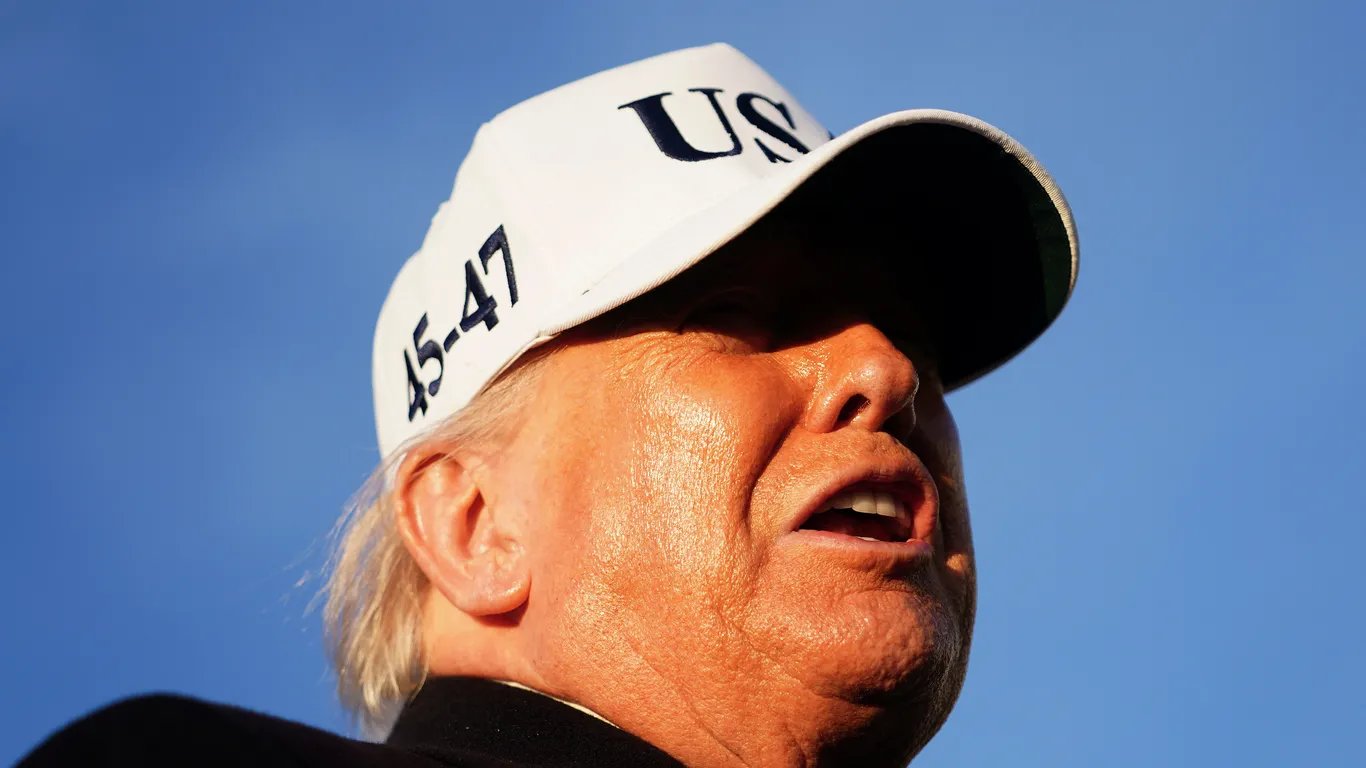
President Donald Trump warned NATO allies of a "very bad" future if they fail to help secure the Strait of Hormuz, as oil prices rose significantly. In an interview with The Financial Times, Trump urged about seven countries to send warships for ship escorts, emphasizing their reliance on the waterway for oil supplies. This pressure on NATO stems from the ongoing Iran war, which has blocked the strait and disrupted global trade, directly raising fuel costs that affect household budgets.
United Kingdom Prime Minister Keir Starmer stated his country is working with allies on a plan to reopen the Strait of Hormuz but ruled out a NATO mission, prioritizing limited British military involvement. German Foreign Minister Johann Wadephul declared the conflict has "nothing to do with NATO" and lacks a mandate for alliance deployment, reflecting Europe's reluctance to escalate. China, through Foreign Ministry spokesman Lin Jian, avoided addressing Trump's military request and instead called for de-escalation, noting the strait is vital for international trade.
Energy Secretary Chris Wright reported the Strait of Hormuz is unsafe for commercial shipping, leading to halted traffic and stranded ships, including about 400 oil tankers with 200 million barrels of oil. Bob McNally, a former White House energy adviser, warned that persistent closure could spike U.S. gas prices by more than 65 cents per gallon since the war began, also driving up jet fuel and grocery costs. Attacks on ships, such as the strike on a Hapag-Lloyd cargo vessel on March 12, have resulted in 16 confirmed incidents and at least eight deaths, further inflating prices for everyday goods like bread and clothing.
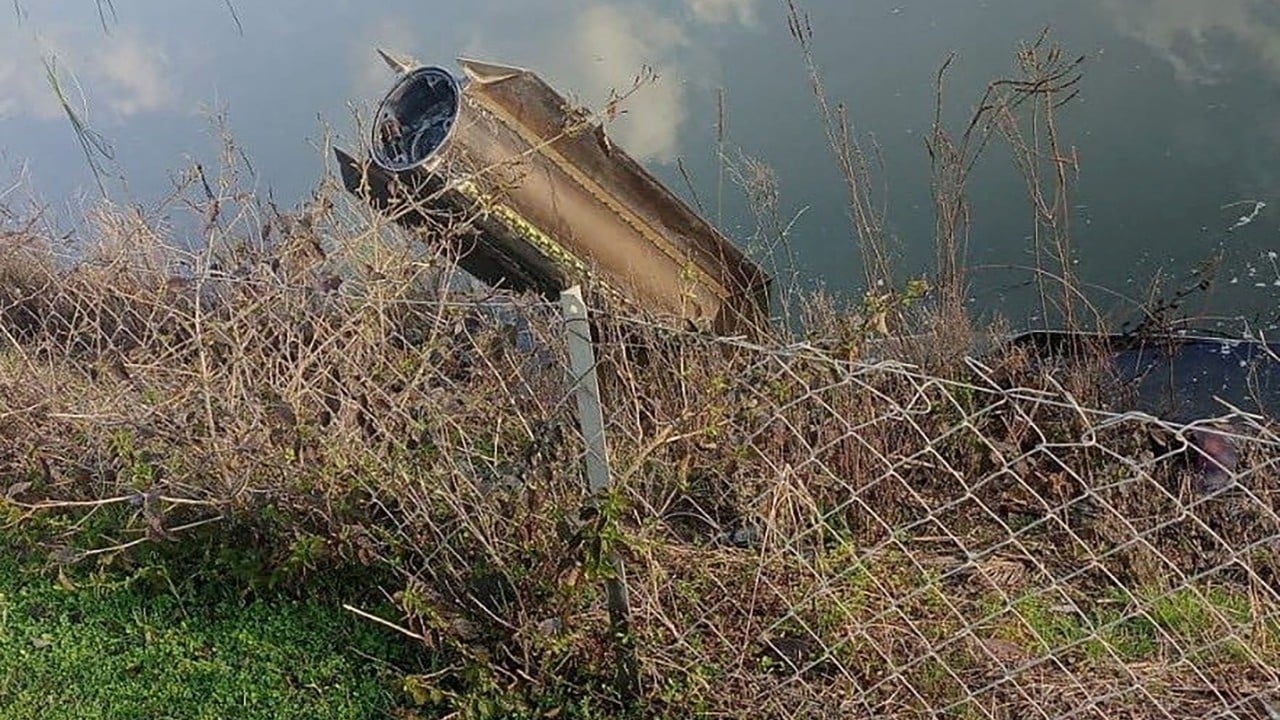
The Israel Defense Forces announced strikes on Tehran, Shiraz, and Tabriz, targeting Iranian infrastructure. The conflict has resulted in over 1,200 Iranian civilian deaths and 3.2 million displacements. In Lebanon, more than 800 people have died and 800,000 displaced, while Saudi Arabia intercepted over 60 drones aimed at its oil facilities. A missile strike in Abu Dhabi killed a Palestinian civilian, highlighting how the conflict extends beyond the strait and endangers lives in neighboring regions.
Trump told reporters he might delay his summit with Chinese President Xi Jinping if Beijing does not assist. US and Chinese delegations recently wrapped up trade talks in Paris. Japan Prime Minister Sanae Takaichi said her country is examining legal options for deploying escorts but has not decided.
Cross-referenced to ensure accuracy