




Missile Interception
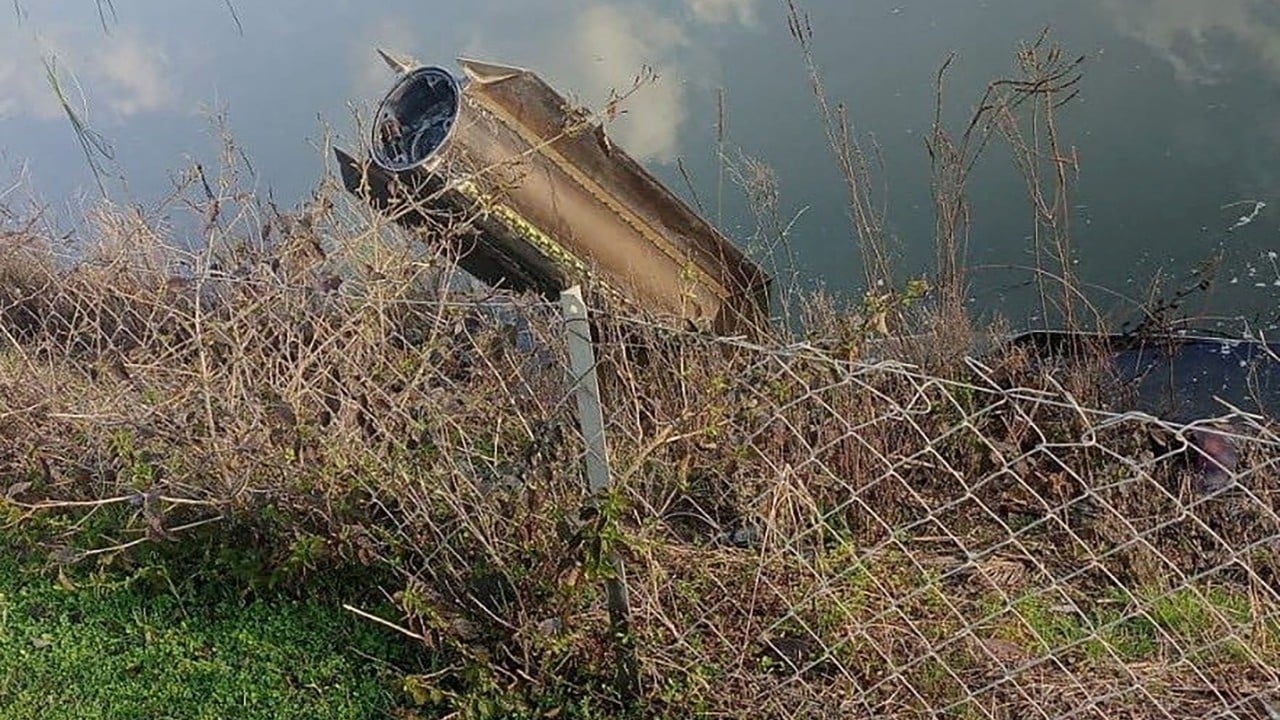
NATO air defenses intercepted a ballistic missile fired from Iran towards Turkiye on Monday, according to the Turkish Ministry of National Defence. The ministry stated the missile was shot down over the Sahinbey district of Gaziantep in southern Turkiye.
Debris and Location
Debris from the intercepted missile landed in Gaziantep province, approximately 150km (93 miles) from the Incirlik Air Base. Hundreds of U.S. military personnel are stationed at the base, where U.S. nuclear weapons are widely believed to be stored. The debris also landed about 200km from a NATO radar system in Kurecik used to support Terminal High Altitude Area Defence (THAAD) anti-ballistic missile systems.
Turkish Response
The Turkish Ministry of National Defence emphasized Turkiye's capability and determination to protect its national airspace and border security. The ministry also warned that further escalation in the region must be avoided. Ankara urged all sides, especially Tehran, to refrain from actions that could endanger civilians or undermine regional stability.
Iranian Response
Iranian President Masoud Pezeshkian spoke with Turkish President Recep Tayyip Erdogan on Monday. Tehran is ready to establish a "joint team" to investigate the claims that an Iranian missile was fired at Turkiye, according to Iran's semi-official Tasnim news agency.
NATO's Stance
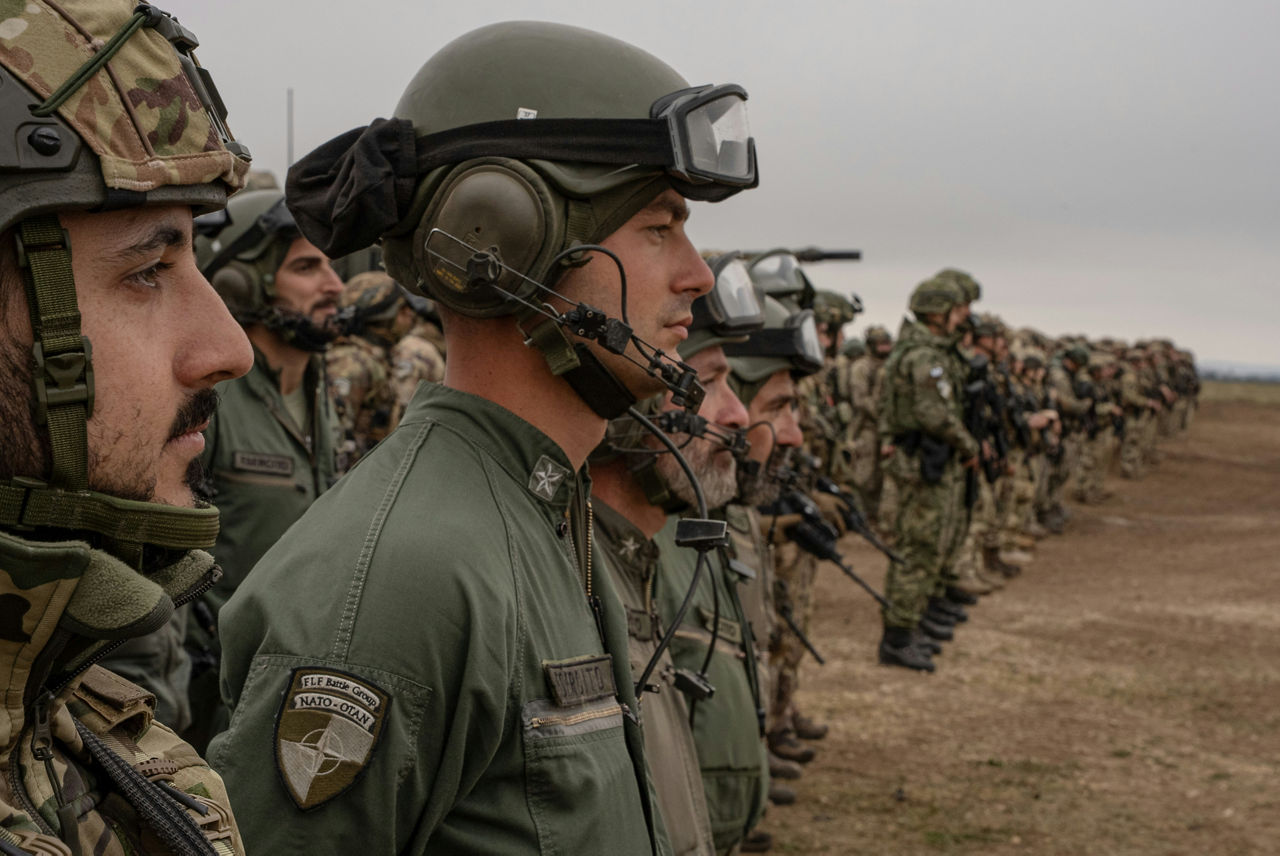
NATO spokesperson Allison Hart confirmed that the military alliance had intercepted "a missile heading to Turkiye". Hart stated, "NATO stands firm in its readiness to defend all Allies against any threat," in a post on X. Following a similar interception on March 4, NATO strengthened its missile-defense posture in the region.
Article 5 Considerations
NATO chief Mark Rutte said last week after the first ballistic missile heading towards Turkiye was shot down, there was no talk of invoking Article 5, which states that an attack on one NATO country will be considered an attack on all. It also commits each NATO member state to taking action deemed necessary "to restore and maintain" security.
Regional Impact
Rob Geist Pinfold, a lecturer in defence studies at King's College London, said that Iran is seeking to "unleash as much chaos as possible to destabilise the region and global markets" in an effort to force Washington to abandon the war. Pinfold added, "It really shows you how Iran feels like it's facing an existential threat. For them, this is a real do-or-die moment."