






Trump's Winding Down Comments and Military Progress
President Trump announced on Truth Social that the U.S. is nearing its objectives and considering ending military efforts against Iran. U.S. and Israeli forces have struck 8,000 Iranian targets, reducing Iranian missile and drone attacks by 90% from the war's early days, according to the U.S. Department of Defense.
Iran's Missile Strike on Diego Garcia Base
Iran fired two intermediate-range ballistic missiles at the joint U.S.-U.K. base in Diego Garcia, demonstrating capabilities for attacks over 2,000 miles from Tehran. Britain's Ministry of Defense confirmed the unsuccessful strike, calling it a threat to British interests in the region.
Surging Oil Prices and Economic Impacts
The U.S. temporarily lifted sanctions on Iranian oil already at sea, aiming to add 140 million barrels to the global market and curb crude prices, which have topped $110 per barrel. Over 3,000 vessels are stranded in the Persian Gulf. This is affecting fertilizer supplies and potentially delaying U.S. spring planting. The American Farm Bureau told the AP this week that could result in lower crop yields, which would put upward pressure on grocery prices into the next year. Consumers are already seeing higher costs, with interest in electric vehicles surging as gas prices hit their highest in nearly three years.
U.S. Military Deployments and Strategies
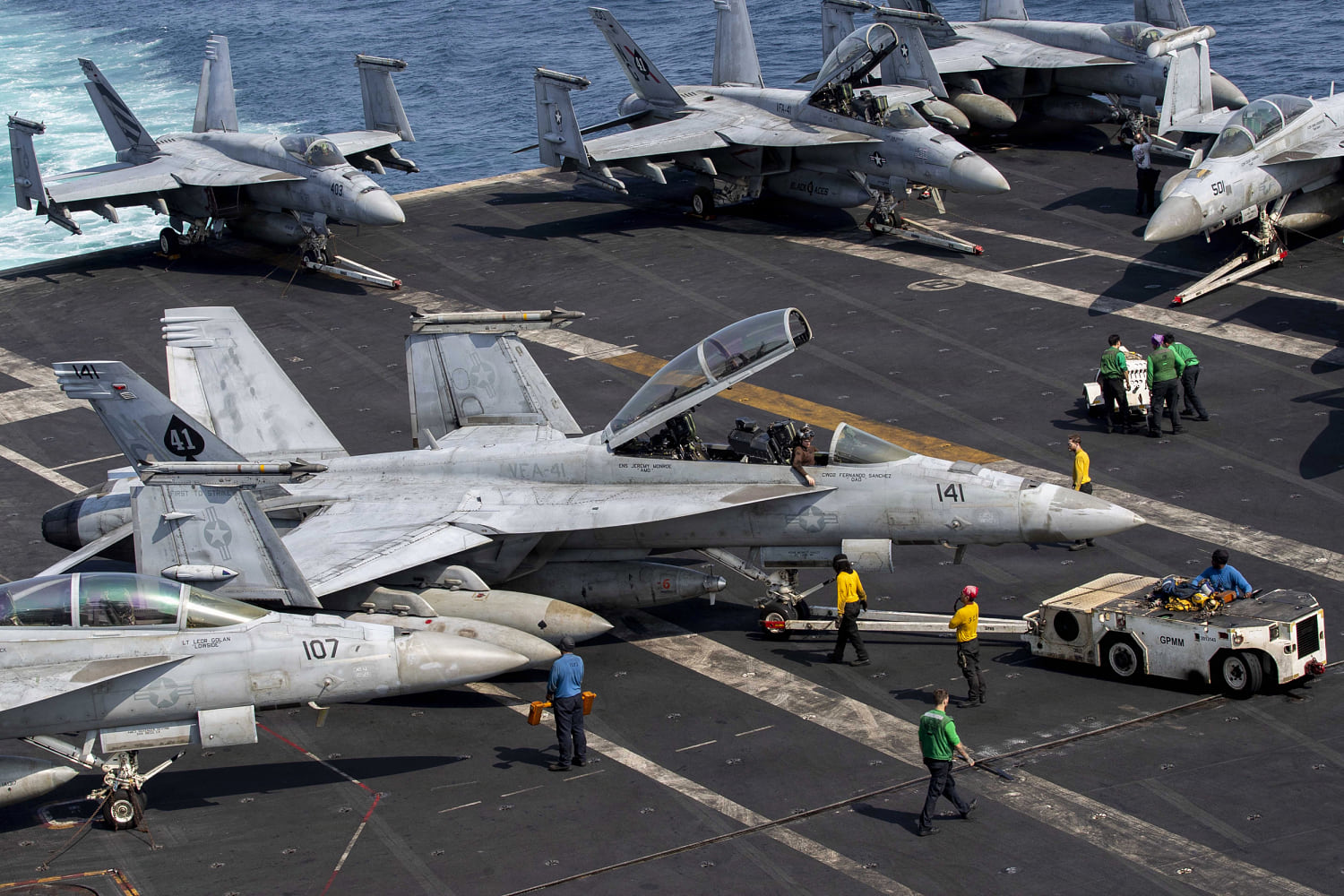
More than 2,000 Marines from the USS Boxer group are heading to the Persian Gulf, joining another group from the USS Tripoli to support operations. The U.S. is using Apache helicopters and A-10 Warthog planes to target Iranian fast boats, indicating a reduced threat level in the region. These moves underscore efforts to secure the Strait of Hormuz, a vital route for 20% of global oil, directly impacting energy security for households worldwide.
Prospects for Peace Talks and Demands
The Trump administration has started discussions on peace talks, involving envoys Jared Kushner and Steve Witkoff, who seek commitments from Iran like no missile program for five years and zero uranium enrichment. Iran has demanded a ceasefire, guarantees against future attacks, and compensation, with messages passed through Egypt and Qatar. U.S. officials view these negotiations as a way to address frozen assets, potentially easing economic pressures on families dealing with inflation.
Human Toll and Next Steps for Americans
Six U.S. service members died in recent attacks, including an Iranian drone strike in Kuwait, highlighting the conflict's direct cost to troops. As oil market shocks linger, experts warn of slower consumer spending growth at 1.9% this year, affecting budgets for mortgages and daily expenses. Americans should monitor gas prices and consider energy-efficient options, as resolving the Strait of Hormuz blockade could soon restore normal shipping and lower household costs.
The sources also report that the lifting of sanctions on Iranian oil will last until April 19, 2026.