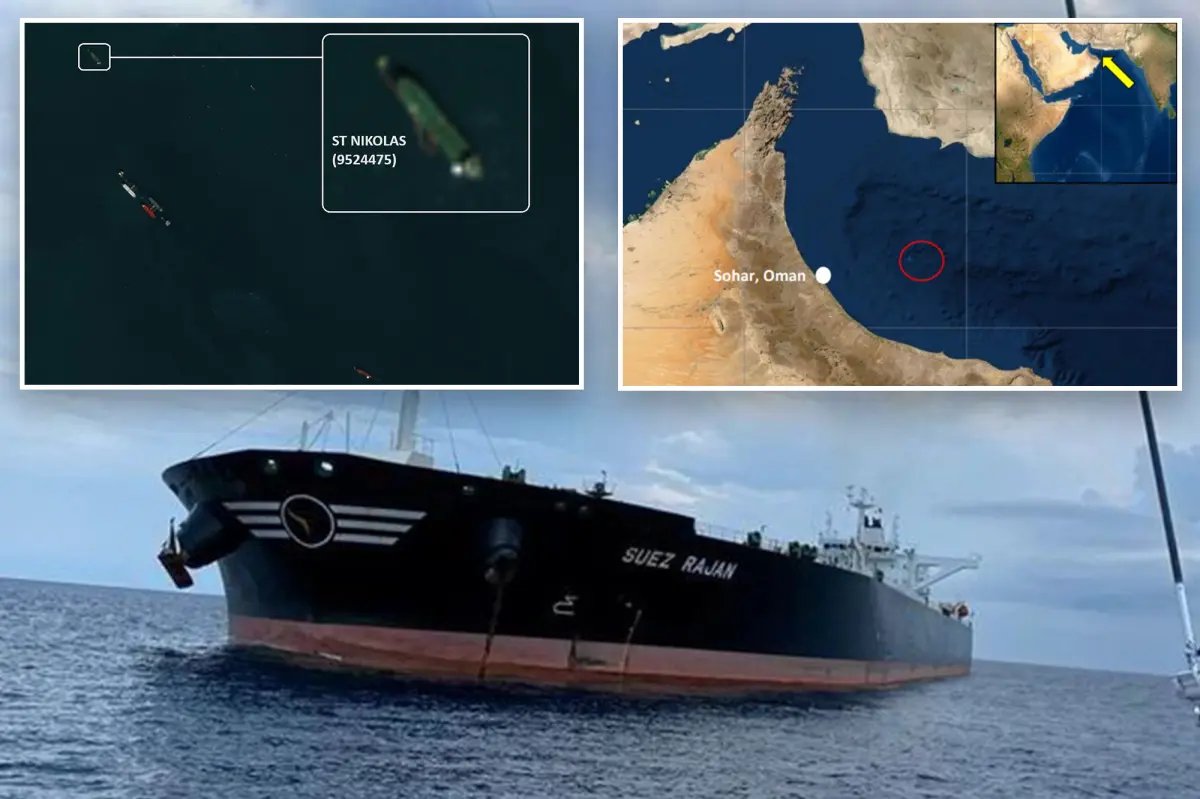
In an unexpected move, the United States has eased sanctions on Iranian oil in a bid to address soaring energy prices. Treasury Secretary Scott Bessent announced the sanctions would be "narrowly tailored" and temporary, allowing the sale of approximately 140 million barrels of oil currently stranded at sea. This decision aims to inject additional supply into the global market, which has faced significant disruptions due to the ongoing conflict in Iran.
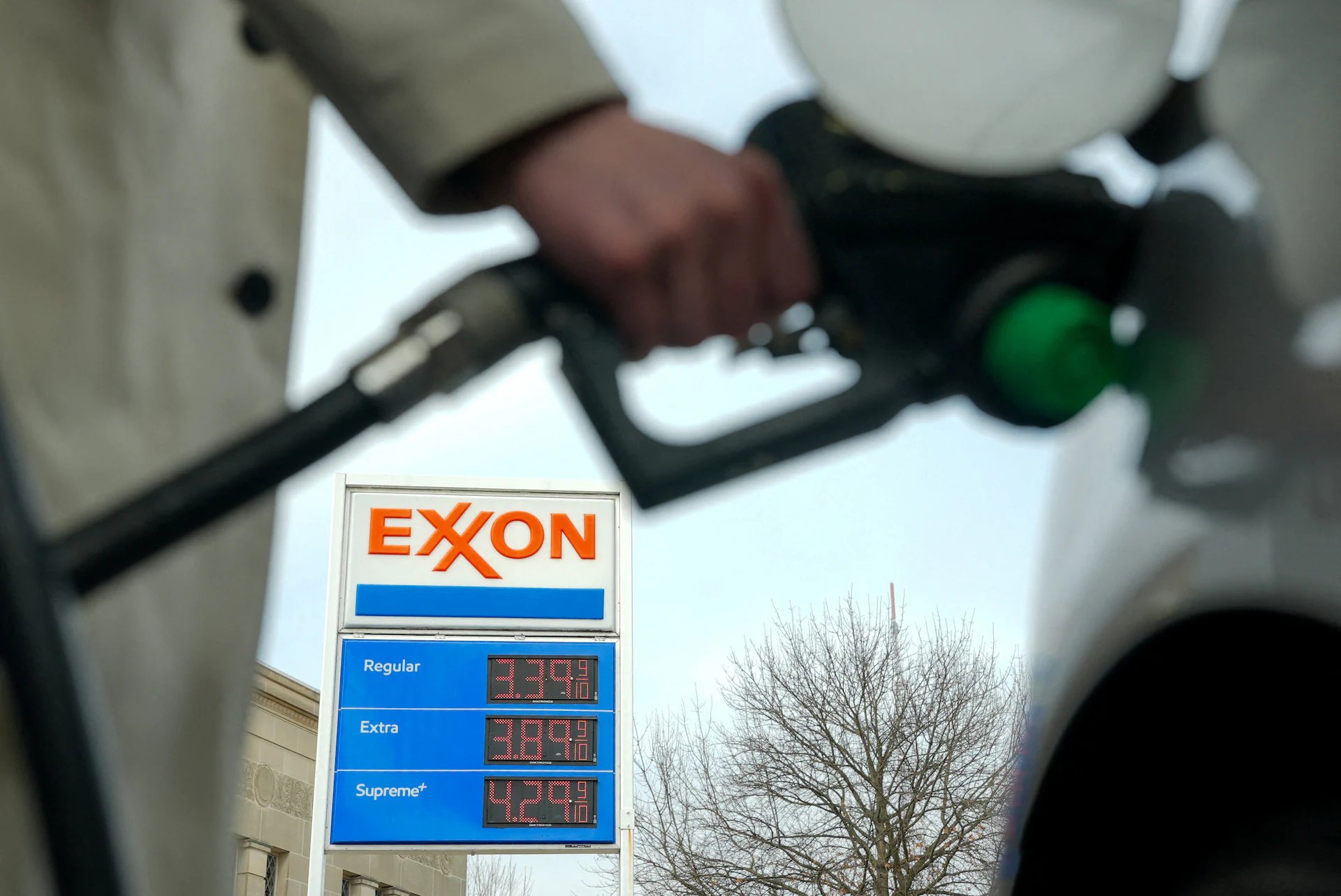
Retail gas prices in the U.S. have jumped by 93 cents per gallon as geopolitical tensions escalate. The closure of the Strait of Hormuz, through which 20% of the world's oil supply flows, has exacerbated these pressures, leaving consumers and industries grappling with increased fuel costs. Brent crude is trading around $111, marking an 84% increase for the year.
The easing of sanctions could yield over $14 billion in revenue for Tehran, providing a significant boost to its economy amid ongoing conflict. However, experts warn that this move may not alleviate the broader economic pressures faced globally. Danny Citrinowicz, a senior researcher at the Institute for National Security Studies, noted that the U.S. is effectively "funding a war against itself," emphasizing a lack of strategic foresight in the decision-making process.
United Airlines CEO Scott Kirby informed employees that the company may cancel some flights in anticipation of sustained high oil prices. Kirby projected that oil could reach $175 per barrel. The airline industry is bracing for changes, with less profitable flights at risk of elimination.
Moritz Brake, a senior fellow at the Center for Advanced Security, Strategic and Integration Studies, highlighted the dual impact of the Iran conflict on the global economy, particularly regarding Russia's war on Ukraine. While drone attacks in Ukraine have decreased due to limited Iranian support, rising oil prices continue to bolster Russia's military funding.
As the situation develops, the U.S. has also taken steps to increase oil supply through the release of strategic reserves and the temporary lifting of certain shipping regulations. The ongoing volatility in oil markets presents a complex challenge for consumers, businesses, and policymakers alike, underscoring the interconnected nature of global energy dynamics.
In an unexpected move, the United States has eased sanctions on Iranian oil in a bid to address soaring energy prices. Treasury Secretary Scott Bessent announced the sanctions would be “narrowly tailored” and temporary, allowing the sale of approximately 140 million barrels of oil currently stranded at sea. This decision aims to inject additional supply into the global market, which has faced significant disruptions due to the ongoing conflict in Iran.
Oil prices have surged above $100 per barrel, with Brent crude trading around $111, marking an 84% increase for the year. Retail gas prices in the U.S. have jumped by 93 cents per gallon as geopolitical tensions escalate. The closure of the Strait of Hormuz, through which 20% of the world’s oil supply flows, has exacerbated these pressures, leaving consumers and industries grappling with increased fuel costs.
The easing of sanctions could yield over $14 billion in revenue for Tehran, providing a significant boost to its economy amid ongoing conflict. However, experts warn that this move may not alleviate the broader economic pressures faced globally. Danny Citrinowicz, a senior researcher at the Institute for National Security Studies, noted that the U.S. is effectively “funding a war against itself,” emphasizing a lack of strategic foresight in the decision-making process.
Airlines are already feeling the impact of rising fuel costs. United Airlines CEO Scott Kirby informed employees that the company may cancel some flights in anticipation of sustained high oil prices. Kirby projected that oil could reach $175 per barrel and remain elevated, leading to an estimated additional $11 billion in annual fuel expenses. The airline industry is bracing for changes, with less profitable flights at risk of elimination.
Moritz Brake, a senior fellow at the Center for Advanced Security, Strategic and Integration Studies, highlighted the dual impact of the Iran conflict on the global economy, particularly regarding Russia’s war on Ukraine. While drone attacks in Ukraine have decreased due to limited Iranian support, rising oil prices continue to bolster Russia's military funding. Analysts emphasize that the easing of sanctions may not significantly alter the geopolitical landscape or energy supply dynamics, as long as Iran maintains control over key shipping routes.
As the situation develops, the U.S. has also taken steps to increase oil supply through the release of strategic reserves and the temporary lifting of certain shipping regulations. However, experts caution that without a comprehensive approach to address the underlying geopolitical issues, the measures may only provide temporary relief. The ongoing volatility in oil markets presents a complex challenge for consumers, businesses, and policymakers alike, underscoring the interconnected nature of global energy dynamics.
Highlighted text was flagged by the council. Tap to see feedback.







The sources also report that United Airlines could face an extra $11 billion in annual jet fuel expenses due to price increases.