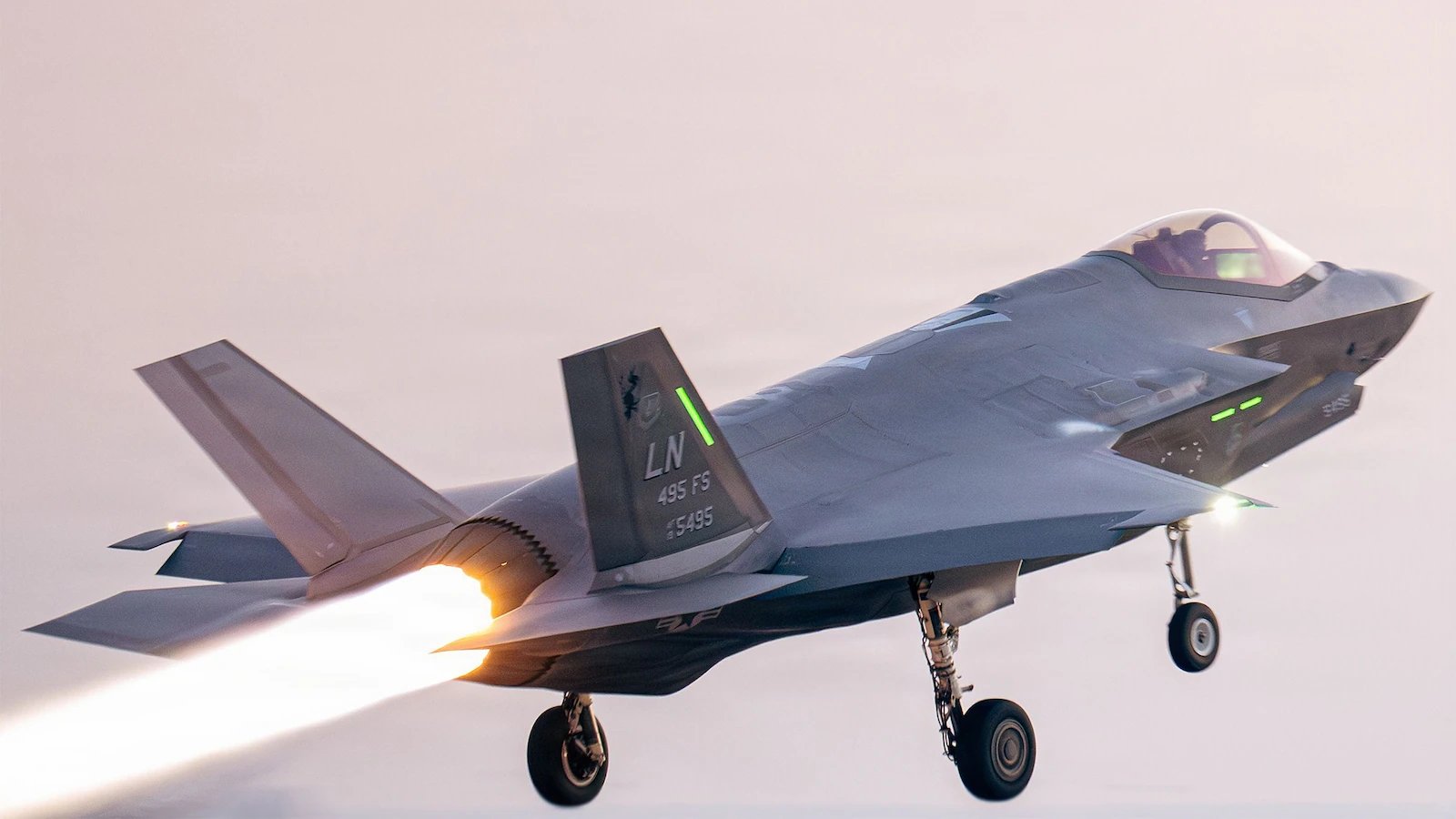
A U.S. F-35 fighter jet made an emergency landing at a regional airbase in the Middle East after being struck by suspected Iranian fire during a combat mission over Iran. The aircraft, valued at approximately $100 million, landed safely, and the pilot is reported to be in stable condition, according to Captain Tim Hawkins, a spokesperson for U.S. Central Command (CENTCOM). This is the first time an American military aircraft involved in the air operations over Iran has been hit by Iranian fire, according to ABC News.
The emergency landing follows President Donald Trump's announcement of "major combat operations" against Iran, which began with extensive U.S.-Israel airstrikes targeting Iranian military and government sites. These operations have escalated significantly, with 7,000 targets within Iran struck, including more than 40 mine-laying vessels and 11 submarines, according to Al Jazeera. Defense Secretary Pete Hegseth stated that the U.S. objectives remain unchanged, focusing on degrading Iran's military capabilities and preventing nuclear proliferation.
Pentagon officials told senators the war cost at least $11.3 billion in its first six days. The Guardian's analysis indicated the actual cost was $12.7 billion during that period. Trump is seeking an additional $200 billion from Congress to fund military operations. This request comes amid reports that the U.S. has lost at least 12 MQ-9 Reaper drones and suffered damage to five KC-135 refueling aircraft in Iranian missile strikes.
In retaliation, Iran's Islamic Revolutionary Guard Corps has claimed responsibility for targeting U.S. aircraft. Iranian officials have vowed to respond aggressively to perceived threats, with missile and drone attacks aimed at regional U.S. bases and allies, including Israel. As the conflict intensifies, Iranian authorities report over 1,444 casualties among their population since the fighting began, highlighting the human cost of the escalating military operations.
The conflict has drawn attention from global leaders. Qatar's Prime Minister Sheikh Mohammed Bin Abdulrahman Al Thani has called for an immediate end to hostilities, emphasizing the need for a diplomatic resolution. Meanwhile, Japan has expressed willingness to assist in securing the Strait of Hormuz, a critical shipping lane, as tensions in the region continue to rise.
General Dan Caine, Chairman of the Joint Chiefs of Staff, acknowledged that Iran still possesses significant missile capabilities and emphasized that U.S. strikes are deepening into Iranian territory.
A U.S. F-35 fighter jet made an emergency landing at a regional airbase in the Middle East after being struck by suspected Iranian fire during a combat mission over Iran. The aircraft, valued at approximately $100 million, landed safely, and the pilot is reported to be in stable condition, according to Captain Tim Hawkins, a spokesperson for U.S. Central Command (CENTCOM). This incident marks the first confirmed case of an American military aircraft being hit by Iranian fire since the start of hostilities on February 28.
The emergency landing follows President Donald Trump's announcement of "major combat operations" against Iran, which began with extensive U.S.-Israel airstrikes targeting Iranian military and government sites. These operations have escalated significantly, with over 7,000 targets within Iran reportedly struck, including more than 40 mine-laying vessels and 11 submarines. Defense Secretary Pete Hegseth stated that the U.S. objectives remain unchanged, focusing on degrading Iran's military capabilities and preventing nuclear proliferation.
The financial implications of the ongoing conflict are substantial. Pentagon officials disclosed that the war in Iran has already cost the U.S. approximately $12.7 billion in its first six days, prompting Trump to seek an additional $200 billion from Congress to fund military operations. This request comes amid reports that the U.S. has lost at least 12 MQ-9 Reaper drones and suffered damage to five KC-135 refueling aircraft in Iranian missile strikes.
In retaliation, Iran's Islamic Revolutionary Guard Corps has claimed responsibility for targeting U.S. aircraft. Iranian officials have vowed to respond aggressively to perceived threats, with missile and drone attacks aimed at regional U.S. bases and allies, including Israel. As the conflict intensifies, Iranian authorities report over 1,444 casualties among their population since the fighting began, highlighting the human cost of the escalating military operations.
The conflict has drawn attention from global leaders. Qatar's Prime Minister Sheikh Mohammed Bin Abdulrahman Al Thani has called for an immediate end to hostilities, emphasizing the need for a diplomatic resolution. Meanwhile, Japan has expressed willingness to assist in securing the Strait of Hormuz, a critical shipping lane, as tensions in the region continue to rise.
As military operations persist, the potential for further escalation remains high. General Dan Caine, Chairman of the Joint Chiefs of Staff, acknowledged that Iran still possesses significant missile capabilities and emphasized that U.S. strikes are deepening into Iranian territory. The situation raises concerns about the broader implications for regional stability and international relations, particularly as the U.S. continues to ramp up its military presence and spending in response to the conflict.
The unfolding events underscore the urgency for diplomatic engagement to avert a deeper crisis that could have far-reaching consequences for both the U.S. and Iran, as well as the surrounding region.
Highlighted text was flagged by the council. Tap to see feedback.







The sources also report that the US expedited over $16 billion in arms sales to the UAE, Jordan, and Kuwait for defense systems and munitions.