




Escalation spreads beyond Iran's borders
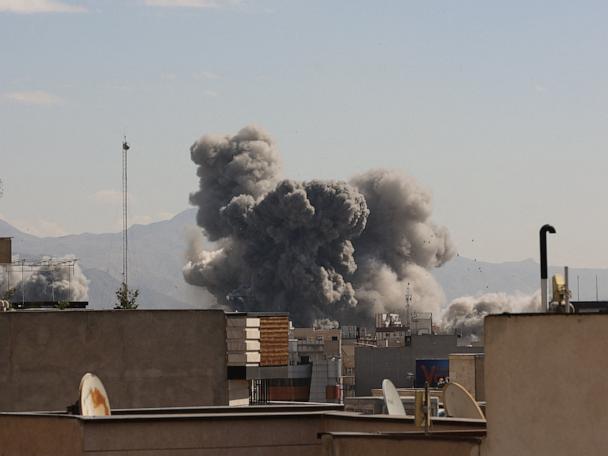
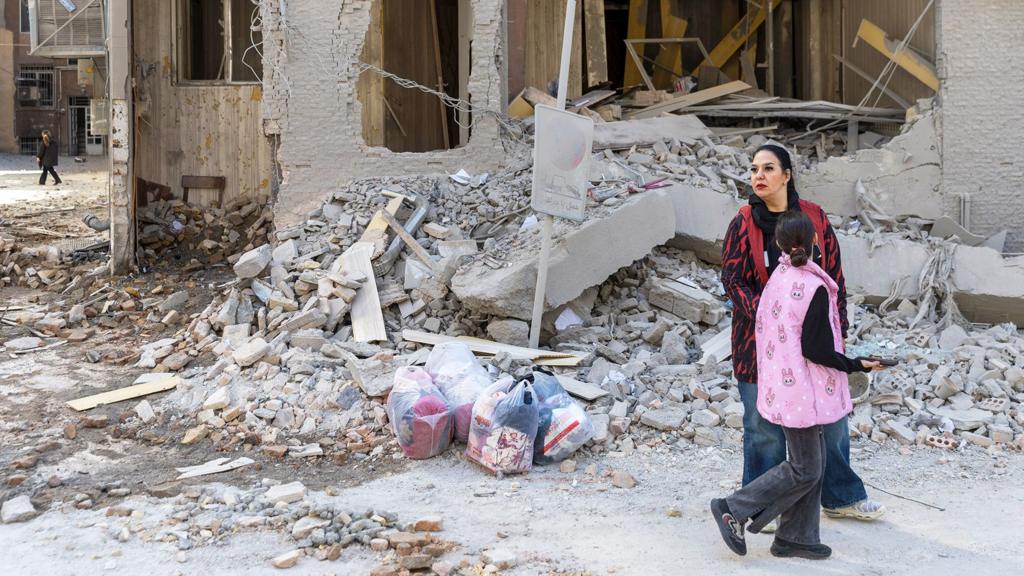
The U.S. and Israel launched fresh strikes deep inside Iran overnight, targeting ballistic missile launchers as the conflict entered its sixth day. The campaign has now spilled into neighboring territories. Azerbaijan accused Iran of sending drones that struck Nakhchivan International Airport in its exclave, injuring four people and narrowly missing a school building; Tehran denies involvement. Azerbaijan's defense ministry vowed to retaliate against the drone strikes, stating that the attacks "will not remain unanswered." Separately, Iran targeted military positions along its border with Iraq, signaling preparation for a potential new front in the war. Hezbollah attacked Israel from Lebanon to avenge the reported killing of Iranian Supreme Leader Ayatollah Ali Khamenei in earlier U.S.-Israeli strikes. Israel responded with airstrikes and ground troops in Lebanese border villages, leading to mass evacuations from southern Lebanon.
The Strait of Hormuz is now a chokepoint for global commerce
After U.S. and Israeli strikes sank nine Iranian warships, Iran's Revolutionary Guard commanders declared the Strait of Hormuz "closed" and threatened to torch any ship that tries to pass. This waterway handles 25 percent of the world's maritime oil trade and 20 percent of liquefied natural gas shipments. Marine traffic, including oil tankers, has been significantly disrupted. President Trump said the Navy will escort tankers and offered federal insurance to energy shippers, yet many firms are rerouting cargoes after Iran's threats sharply reduced traffic.
Oil prices have spiked. Tom Kloza of Gulf Oil expects the U.S. average gas price to peak between $3.25 and $3.50 per gallon within the next four to six weeks if the strait stays shut. Jet fuel costs are climbing too, making air travel more expensive. The U.S. is the world's largest oil producer and far less dependent on imported fuel now than it was in 1979, reducing its vulnerability to supply disruptions, but global markets face severe disruption. A full closure lasting a month or longer could push crude oil well into triple digits and European natural gas prices toward the crisis levels seen in 2022, according to Hakan Kaya, senior portfolio manager at Neuberger Berman.
Farmers and manufacturers face fertilizer shortages
About 33 percent of the world's fertilizers, including sulfur and ammonia, travel through the Strait of Hormuz. QatarLNG, a unit of Qatar Energy, said on Tuesday it is halting output of several products after its facilities were hit by drone strikes it blames on Iran; Tehran has not commented. Veronica Nigh, a senior economist at the Fertilizer Institute, said nearly 30 percent of ammonia's global production is either involved or at risk in the conflict, and 50 percent for urea. U.S. farmers who grow corn, soy, wheat, and cotton may face sharply higher fertilizer costs if the war continues. Saudi Arabia supplies about 40 percent of all U.S. phosphate imports used to manufacture fertilizers. The blockade threatens the supply of aluminum, sugar, and other commodities, which could lead to increased prices for clothing, cookware, and medical equipment worldwide.
Congress divided as strikes intensify
Senate Republicans, joined by two Democrats, blocked a war-powers resolution that would have forced a floor debate on ending U.S. strikes against Iran, even as a growing number of GOP senators warned the White House lacks a clear exit strategy. Zelensky said Wednesday Ukraine will send drone-defense experts to the Gulf if it receives U.S. Patriot missiles in return, insisting the move will not weaken Kyiv's own air shield. With Washington focused on Iran, U.S.-brokered negotiations between Russia and Ukraine have stalled, according to two people familiar with the talks.