Rig Count Declines
U.S. drillers decreased the number of active oil and gas rigs for the first time in three weeks, according to Baker Hughes. This shift could affect energy supply and employment in the sector.
Middle East Tensions Boost Dollar
The escalating war in the Middle East has jolted energy costs, leading traders to turn positive on the U.S. dollar for the first time this year. This supports the dollar's status as a haven currency. Hedge funds, asset managers, and other speculators have taken on $6.2 billion in wagers that the dollar will strengthen, as of March 17, according to Commodity Futures Trading Commission data compiled by Bloomberg. These entities had been betting on a weaker currency since mid-December.
War Targets Emerge
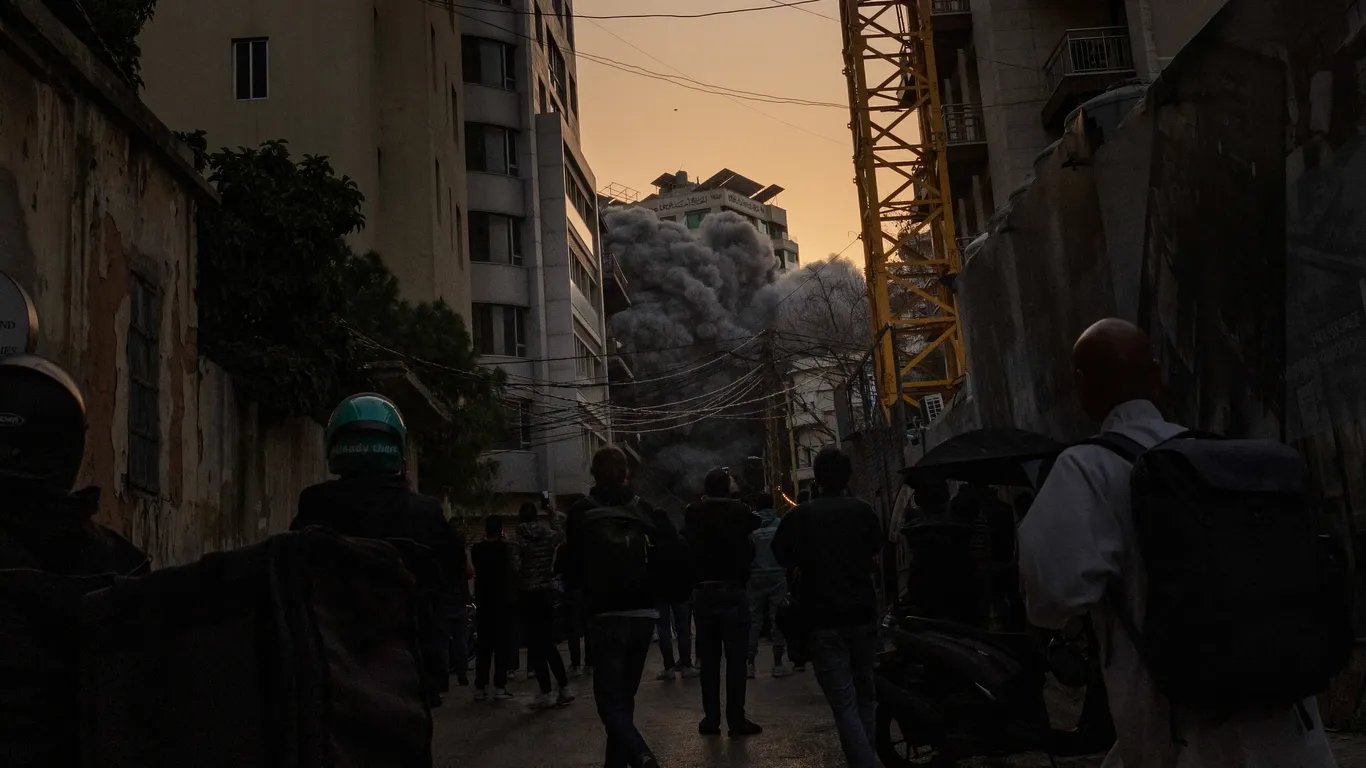
Military targets over three weeks of fighting between the U.S., Israel, and Iran reveal the priorities of the involved parties. The conflict has broadly fallen into three phases, according to Hamidreza Azizi, a visiting fellow at the German Institute for International and Security Affairs.
Initial Strike Objectives
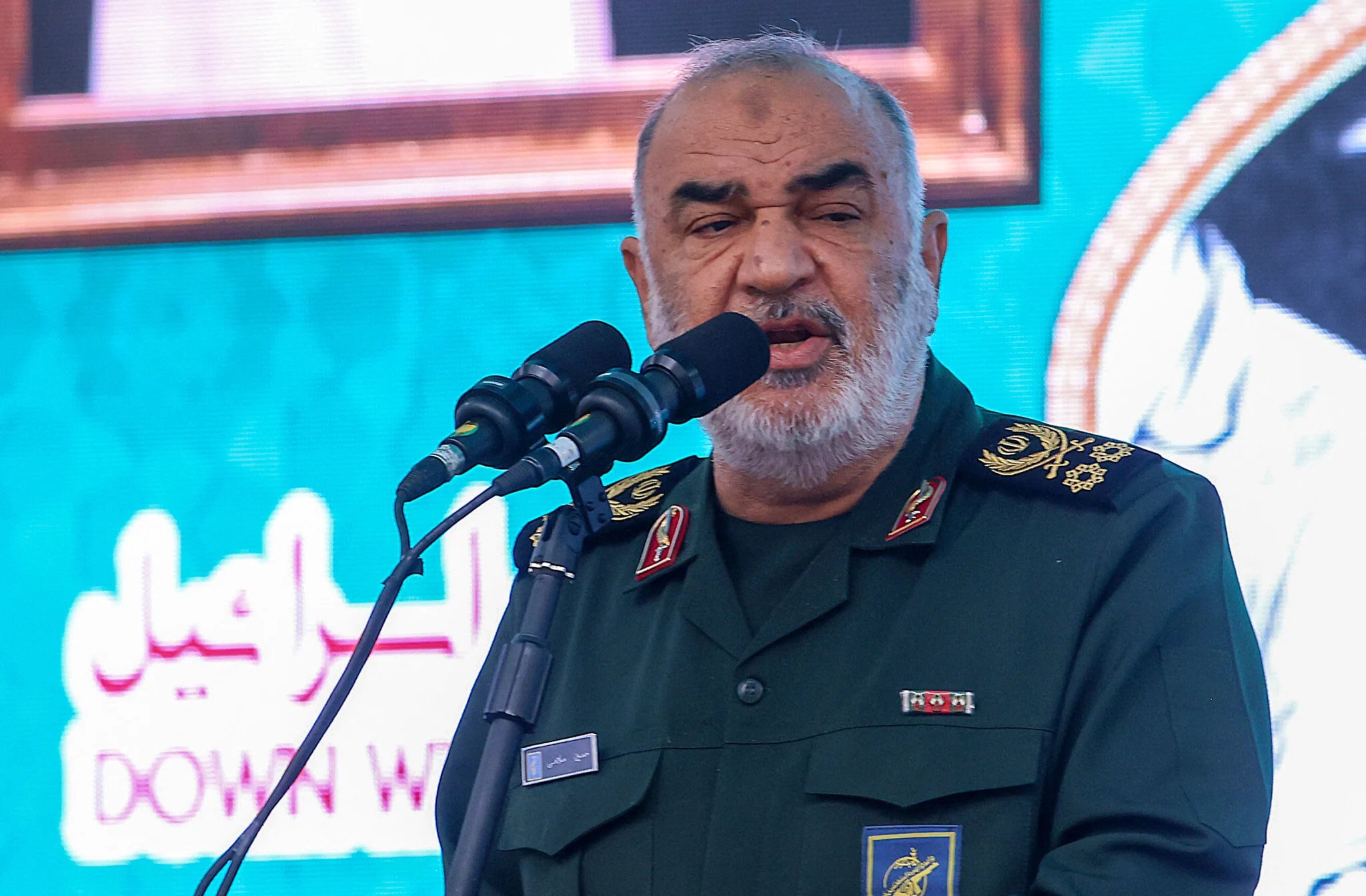
The initial phase involved a "shock and awe" campaign targeting Iran's military capabilities, political leadership, and military leadership. Iran confirmed the killing of Supreme Leader Ali Khamenei and top Islamic Revolutionary Guard Corps (IRGC) officials within hours of the initial attacks on February 28.
Eroding Internal Security
The second phase targeted institutions and individuals involved in internal security within Iran. This included attacks on "almost every single IRGC headquarters," as well as the headquarters of the IRGC-aligned Basij paramilitary group and domestic police headquarters, Azizi said. Bombing in Iran's western border with Iraq has been "interpreted as trying to facilitate the entry of Kurdish insurgent groups" that the CIA has reportedly been supporting, he said.
Disrupting Basic Services
Israeli strikes on the South Pars gasfield appeared to signify a new phase, in which the "aim seems to be to also disrupt the government's ability to provide basic services, especially electricity and gas," Azizi said. The attack sparked immediate retaliation from Iran, including strikes on Qatar's Ras Laffan gas facility and Saudi Arabia's Samref oil refinery. President Trump said Israel had "lashed out" without US approval in launching the attack.
Quantifiable Impacts
The U.S. and Israel have conducted 1,434 total "strike events" on Iran, compared with 835 retaliatory "strike events" launched by Iran, according to ACLED data. The Trump administration has said it has hit more than 7,800 targets since February 28, flying more than 8,000 combat missions.
Lingering Questions
Jason Campbell, a senior fellow at the Middle East Institute (MEI), said the war appears to have entered a phase of "incrementalism" that both opens the door to further escalation against military assets and more attacks on civilian infrastructure. The US military's deployment this week of its GBU-72/Bs so-called bunker-buster bombs to target "hardened Iranian missile sites" along the coast of the Strait of Hormuz, appear to be the first time the 5,000-pound (2,270kg), deep-penetrating behemoths have been used in the war.
Diverging Aims
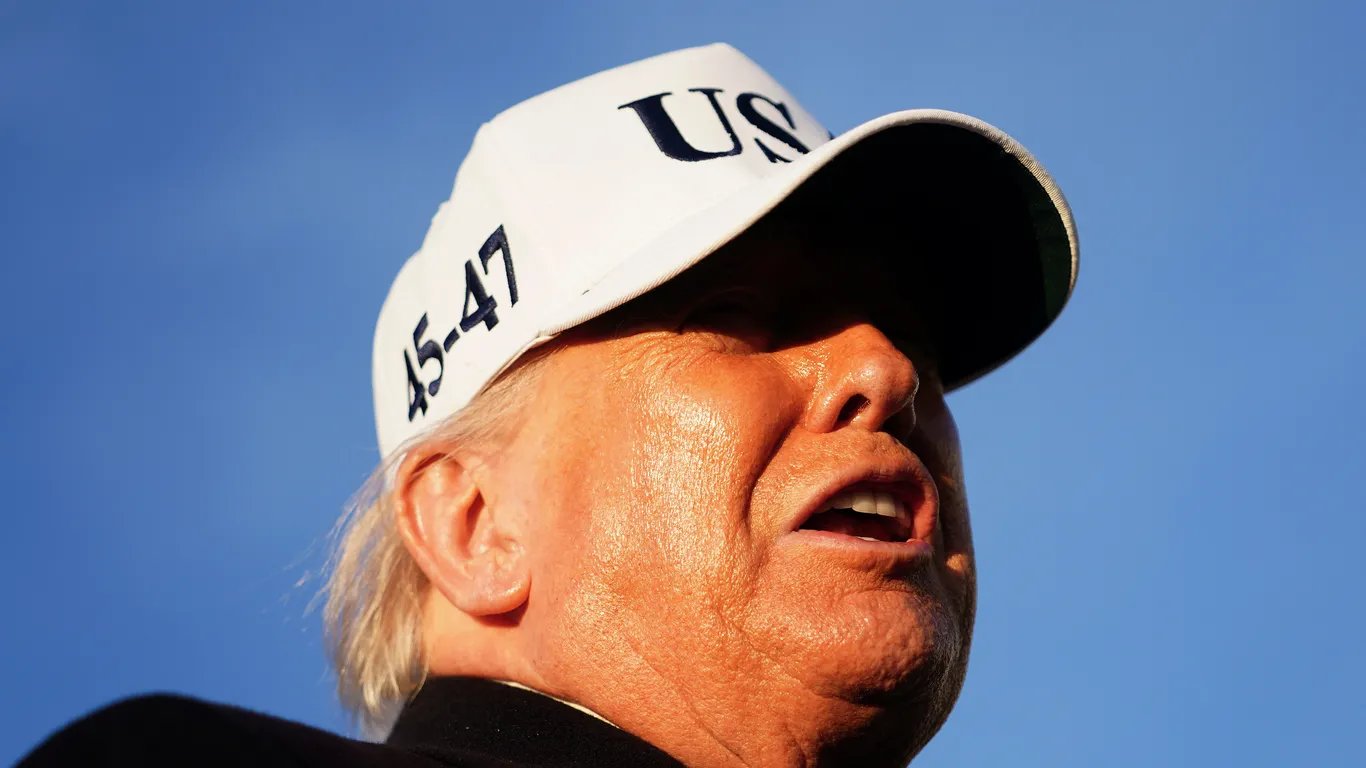
Speaking during a US House of Representatives meeting on Thursday, DNI Gabbard pointed to the diverging aims, the first Trump administration official to publicly do so. "We can see through the operations that the Israeli government has been focused on disabling the Iranian leadership," she said. "The president has stated that his objectives are to destroy Iran's ballistic missiles launching capability, their ballistic missile production capability, and their navy."
Future Funding
Pentagon chief Pete Hegseth pledged Washington would "finish this" as he appealed for $200bn in funding to support the future war effort.