
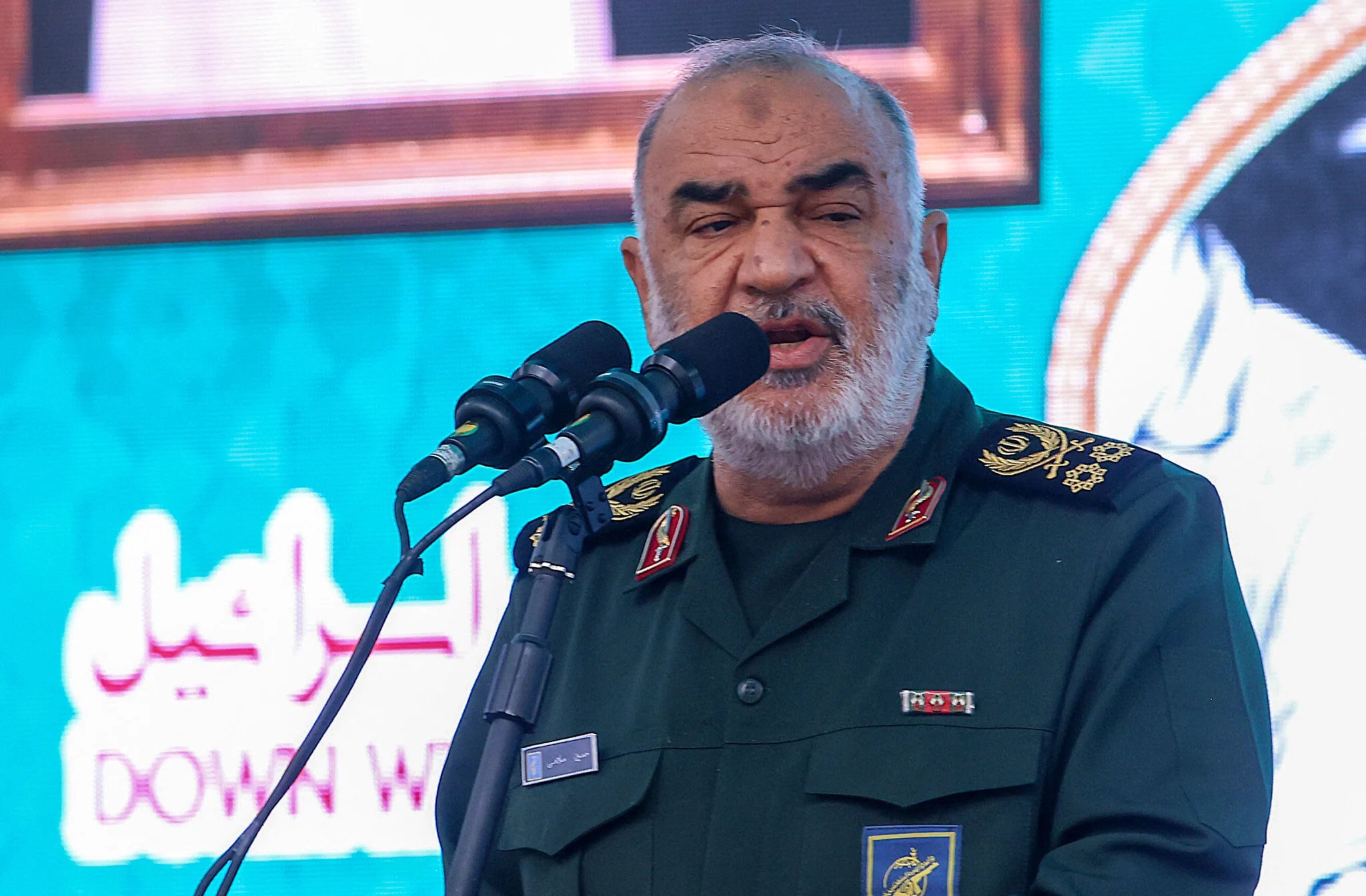





The Assassination of the IRGC Spokesperson
The Israeli military announced Friday that airstrikes killed the head of the IRGC Public Relations Array, the top spokesperson for Iran's Islamic Revolutionary Guard Corps. Israel hit Iran's South Pars—part of the world's largest natural gas field—and Tehran retaliated by striking an energy complex in Qatar and attacking other energy targets in the Gulf.
Netanyahu's Claims on the Attack
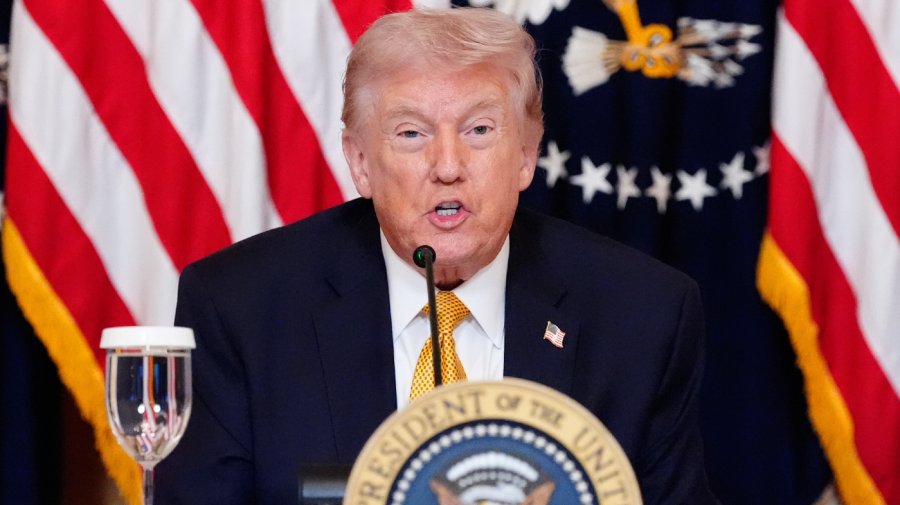
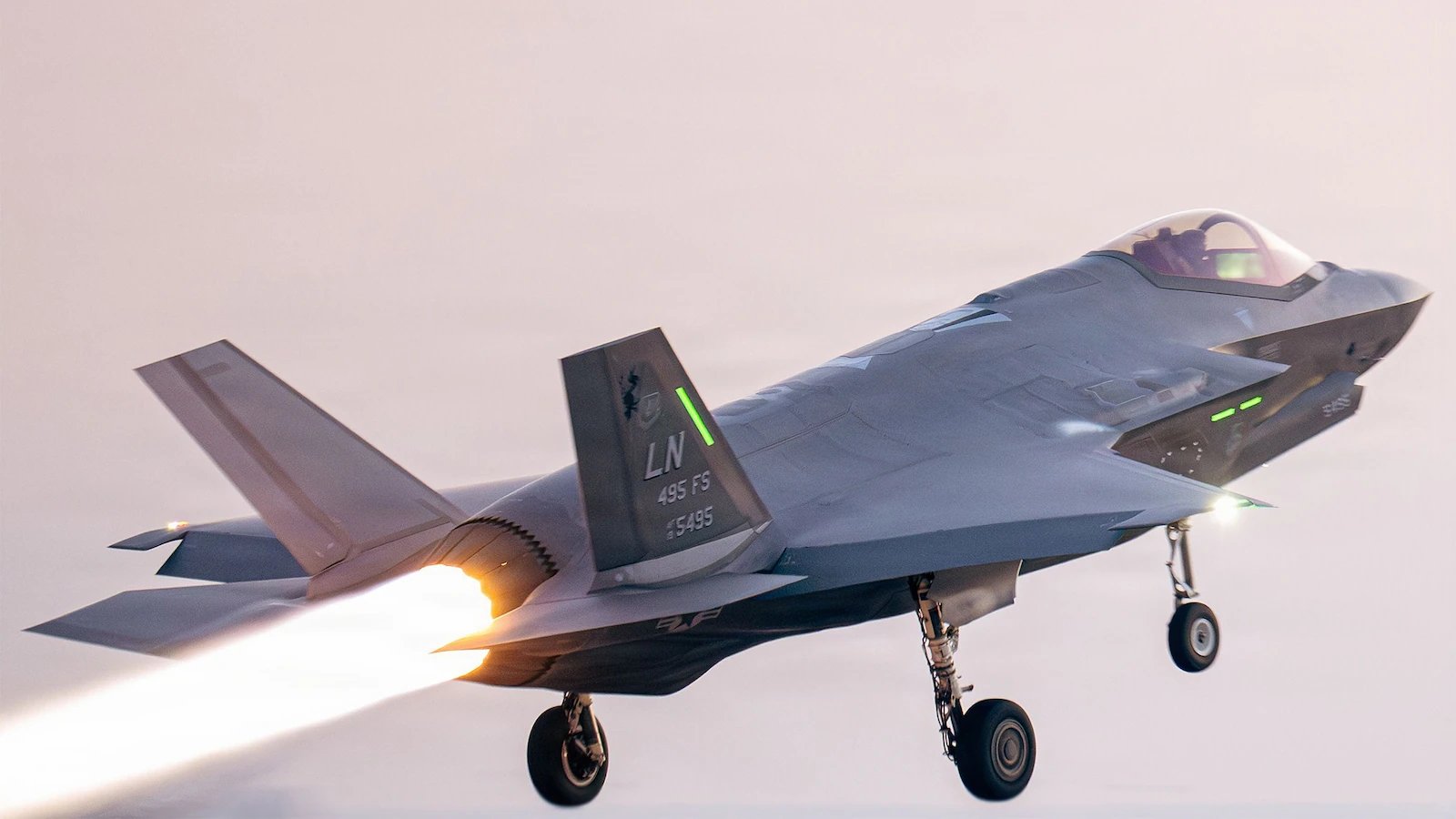
Benjamin Netanyahu stated at a news conference that Israel "acted alone" in attacking Iran's South Pars gas field. However, three unnamed Israeli officials told Reuters the attack had been coordinated with the US in advance. Trump later posted he had not known about the attacks in advance. Netanyahu added that U.S. President Donald Trump had requested no further attacks on energy targets. Netanyahu also insisted that Israel was inflicting massive damage on Iran's military capacity, including strikes on its navy in the Caspian Sea.
Retaliation and Energy Disruptions
Iran retaliated by striking Qatar's Ras Laffan industrial area, which houses the world's biggest liquefied natural gas processing plant, affecting about 17% of Qatar's export capacity. This led to a surge in energy prices, with the UK benchmark reaching almost 183p per therm before easing to 154.8p, an 11.3% increase from the previous day. European prices also rose by more than 10%. Qatar's prime minister, Mohammed bin Abdurrahman Al-Thani, warned the attack would have "significant repercussions for global energy supplies" and called it a "very dangerous escalation."
Warnings from Iranian Officials
Iran's Foreign Minister Abbas Araghchi declared that Iran would show "zero restraint" if its infrastructure faced more strikes. About a fifth of the world's daily oil consumption passes through the Strait of Hormuz, which Iran had already restricted following earlier responses in the conflict.
France's Assessment of the Conflict
French Foreign Minister Jean-Noel Barrot told reporters after meeting Israeli counterpart Gideon Saar that he saw no obvious short-term way out of the regional escalation. Barrot noted the conflict has unfolded since October 7, 2023, and emphasized that France and its allies would continue efforts to find a lasting solution.
Human Impact of the Escalation
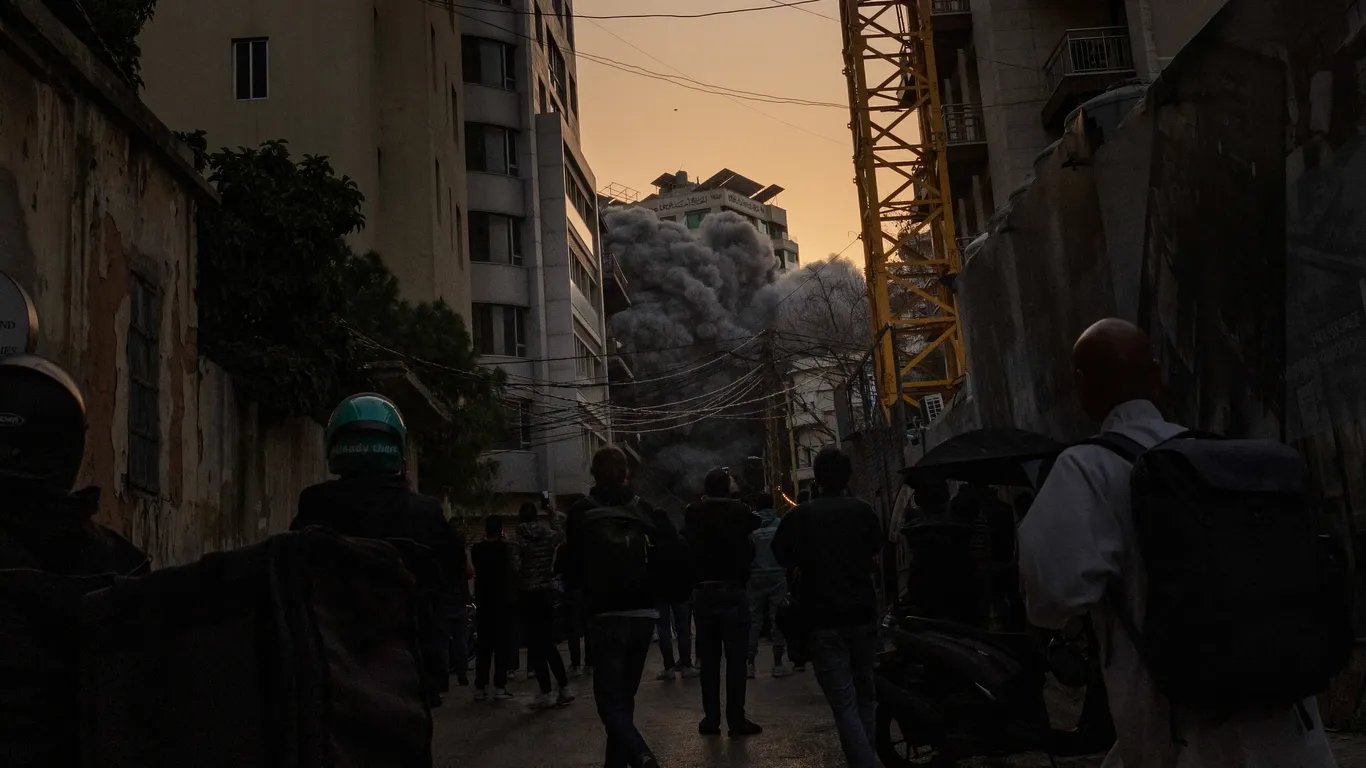
Verified footage showed fire and smoke at an oil refinery in Haifa, Israel, following an Iranian missile attack, with Israel's energy minister Eli Cohen describing the damage to the electricity grid as localized. Gas prices, which had already been rising since the start of the conflict, surged in response to the Iranian attack on Qatar.
The sources also report that Netanyahu claimed Israel was inflicting massive damage on Iran's military capacity and had attacked Iran's navy in the Caspian Sea.