The Strait of Hormuz becomes the flashpoint
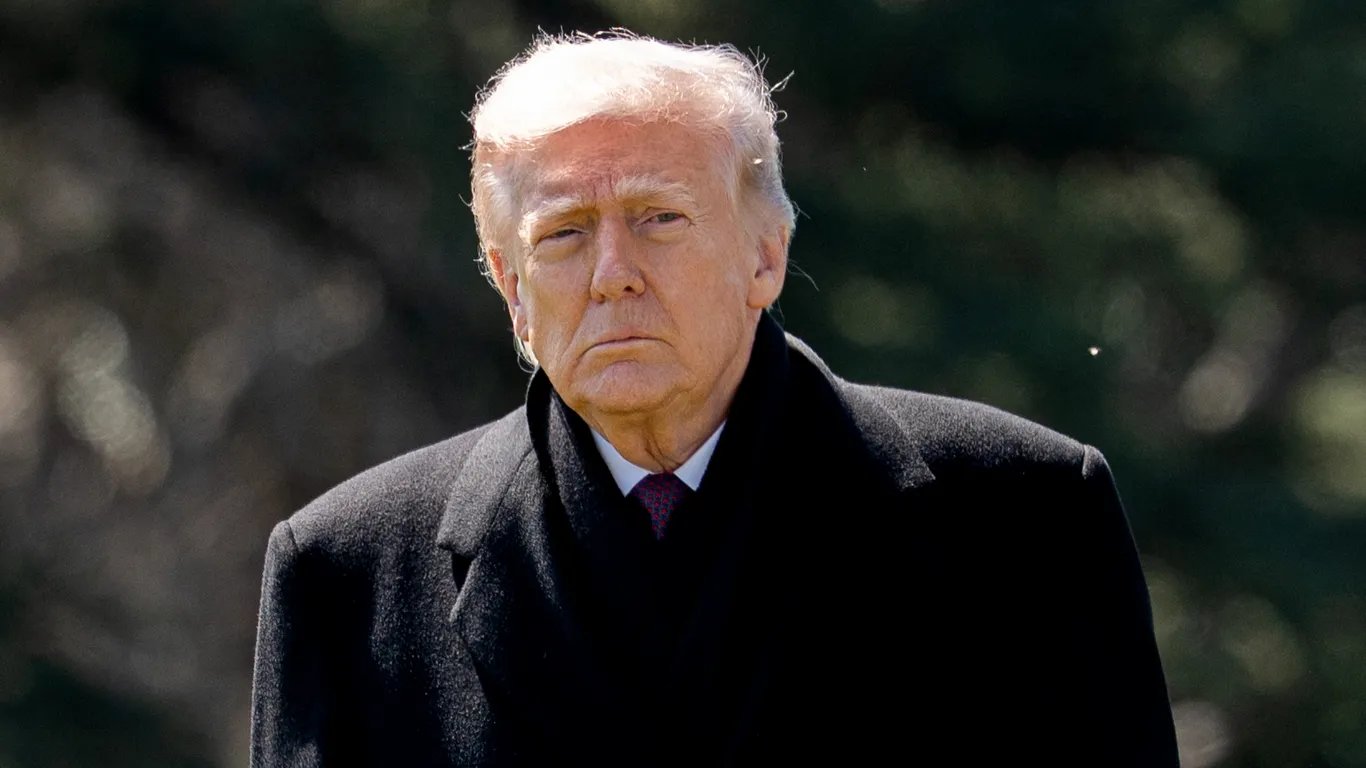
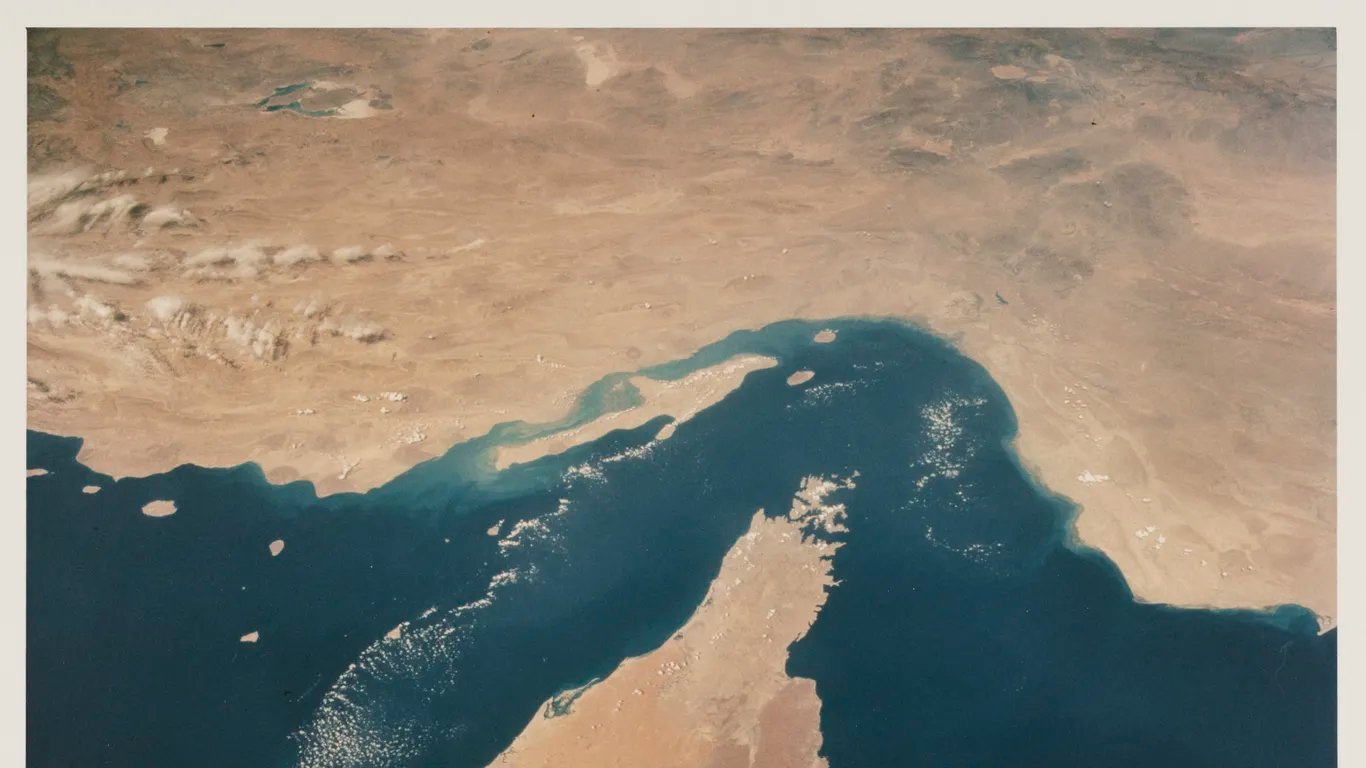
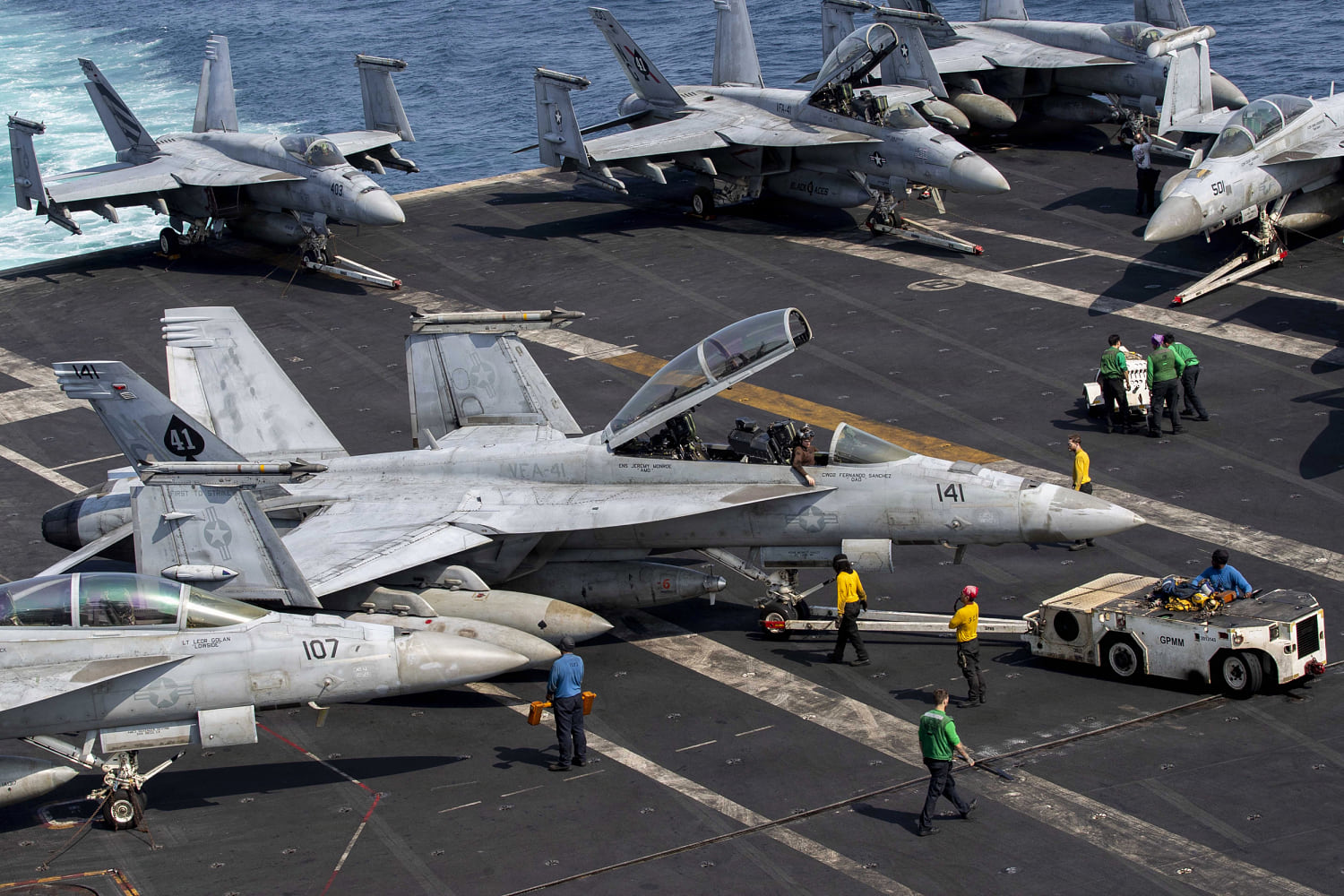
President Trump gave Iran a two-day deadline to reopen the Strait of Hormuz or face strikes on its power plants as the war entered its fourth week with no sign of de-escalation. Treasury Secretary Scott Bessent said US-Israeli attacks aim to destroy Iranian fortifications along the waterway while Iranian leaders face the Monday deadline. In response, Iran threatened to strike the energy and water systems of Gulf neighbors if Trump follows through with the threat to hit Iran's electricity grid.
The blockade is creating immediate economic pressure. Iran charges tankers $2 million in transit fees, bringing strait traffic near collapse. Fatih Birol, International Energy Agency chief, said the Hormuz crisis could be worse than the oil crises of the 1970s.
Gas prices climb as American households feel the squeeze
According to the New York Times, gas prices have risen more than 30 percent in some states since the war began. In Colorado, where prices surged higher than the rest of the country, drivers have lamented how increased costs cut into their budgets. The price spikes reflect broader concerns about energy supply disruption from the conflict.
A CBS News/YouGov survey of 3,335 U.S. adults conducted March 17-20 found that most Americans see the war as impacting rising gas prices in both the short and long term. Despite administration calls for patience, most respondents do not think the war will improve the U.S. economy and expect it to weaken economic conditions in the near term. Feelings that the U.S. will head into a recession are trending back up.
Food and fertilizer supplies face disruption
The conflict is driving the world toward a food crisis as growers face soaring fertilizer and fuel costs. Shipping through the Strait of Hormuz, a critical choke point for global supply chains, affects products beyond oil and gas. Avocado growers in Tanzania's southern highlands are racing against time to find buyers as the conflict disrupts normal trade patterns.
Prime Minister Narendra Modi's cabinet committee on security discussed measures to diversify import sources for key sectors like chemicals and pharmaceuticals due to the conflict's global economic impact. India is preparing short-, medium-, and long-term strategies to safeguard citizens and ensure availability of essential goods like fertilizers and coal.
Financial markets brace for prolonged uncertainty
Global bond yields have risen to the highest levels since May 2024 as surging energy costs lead traders to position for central bank interest-rate hikes. Gold fell sharply and came close to wiping out the year's gains as the war deepened inflation concerns. UBS Group CEO Sergio Ermotti said the firm's customers are not making dramatic changes to asset allocation as a result of the conflict, but digesting the full impact will take time.
British Prime Minister Keir Starmer chaired an emergency meeting on the economic fallout with Finance Minister Rachel Reeves and Bank of England Governor Andrew Bailey. Investors are bracing for another stormy week in financial markets as threats of escalation mount.
Asia confronts particular vulnerability
Martin Wolf, chief economics commentator for the Financial Times, identified Asia as particularly vulnerable to the war's economic impacts. India is seeking to manage risks and interests in the Middle East while maintaining neutrality, with Indian Foreign Minister S. Jaishankar speaking four times with his Iranian counterpart Abbas Araghchi over two weeks.
NATO Secretary-General Mark Rutte asked for President Trump's understanding amid frustrations with allied countries expressing hesitancy to support efforts to reopen the Strait of Hormuz. Macquarie University Associate Professor Adam Lockyer warned of escalation, noting the U.S. is speeding past off-ramps in the conflict.
American public divided on war's necessity
Most Americans feel the conflict is not going well, though it receives continued support from most of the president's Republican base. However, disapproval of military action has grown since the war started, with most Americans viewing it as a war of choice rather than necessity.
Just over a third of respondents think the conflict will make the U.S. safer in the long term. Most Americans believe the war will last months or years, with almost a third uncertain about its duration. The longer people think the conflict will last, the more disapproval grows.