




Escalating Rhetoric Amid Stalled Negotiations
The White House issued a stark warning to Iran, stating that President Trump is ready to "unleash hell" if Tehran rejects a proposed 15-point peace plan. Press Secretary Karoline Leavitt emphasized that Iran has been militarily defeated and will face intensified strikes if it fails to accept this assessment. "President Trump does not bluff," Leavitt stated, urging Iran not to miscalculate again.
Iran's Rejection of U.S. Proposals
Iran's state media reported that the regime has rejected the U.S. peace proposal, describing the terms as "excessive" and disconnected from the reality of America's military failures. A senior Iranian official claimed that any diplomatic resolution will occur only on Tehran's own terms and timeline. The official stated, "Iran will not allow U.S. President Donald Trump to dictate the timing of the war's end."
Troop Deployments and Military Operations
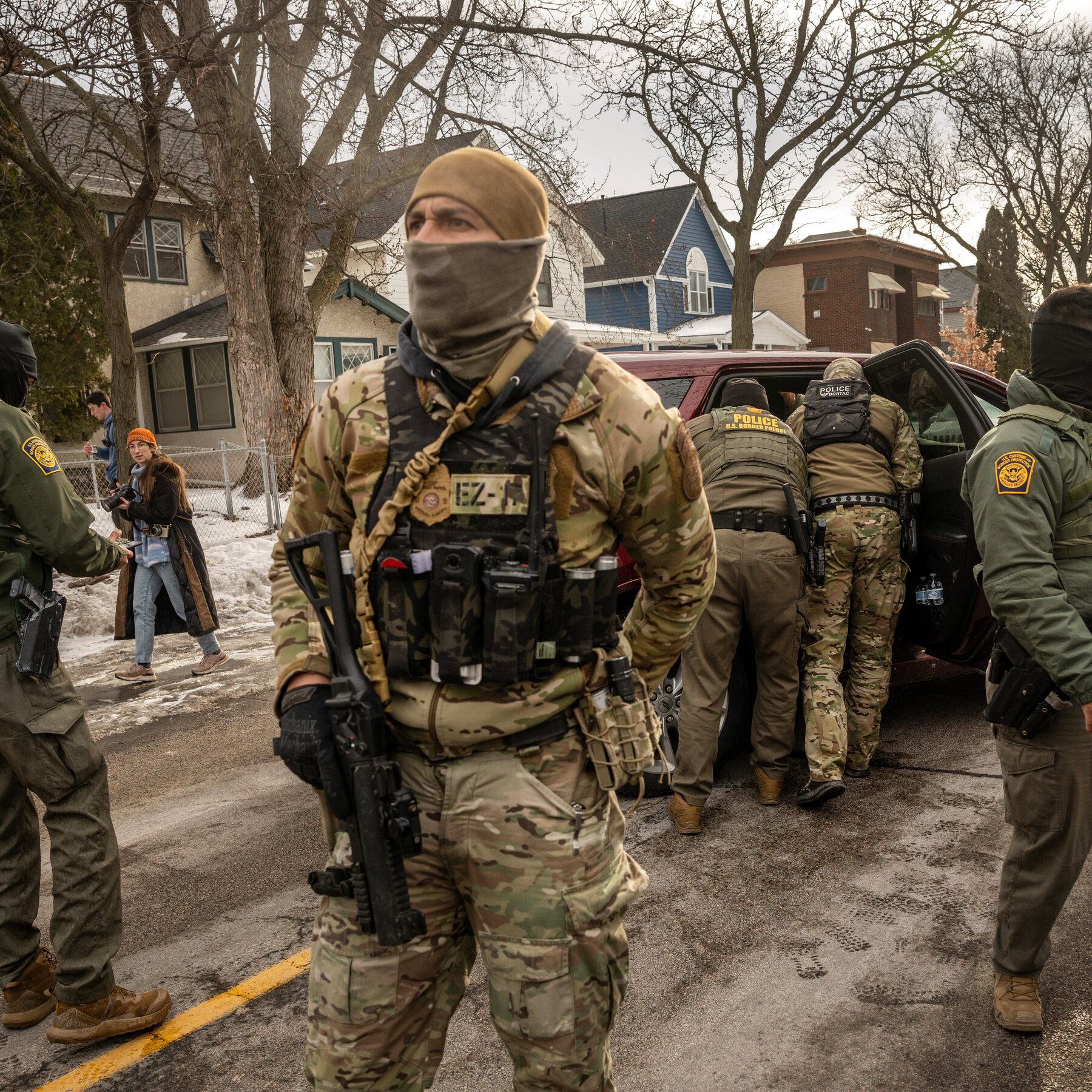
As tensions escalate, the U.S. has mobilized additional troops to the region, including parts of the Army's 82nd Airborne Division. This comes amid discussions of potentially deploying ground forces into Iran, a prospect that has drawn criticism from lawmakers concerned about a lack of clarity regarding the mission's objectives. House Armed Services Committee Chairman Mike Rogers expressed frustration, stating, "There was no plan, no strategy, no end game shared."
The Importance of Kharg Island
The U.S. military has targeted Kharg Island, a crucial oil export terminal for Iran, with over 90 strikes. Trump's administration has not ruled out the possibility of seizing the island, which accounts for more than 90% of Iran's oil exports, according to source [4]. Treasury Secretary Scott Bessent indicated that options regarding Kharg Island remain on the table, although experts warn that such a move could escalate tensions significantly and lead to a broader conflict.
Economic Implications and Global Reactions
Financial markets reacted to the heightened rhetoric. Oil prices dropped more than 5% following Trump's claims of productive peace talks, despite ongoing military operations. The closure of the Strait of Hormuz due to the conflict has already disrupted global energy supplies, raising concerns about a potential economic shock. U.N. Secretary-General António Guterres called for an end to the war, citing the severe impacts on civilians and global markets.
Congressional Frustration and Calls for Clarity
Lawmakers from both parties expressed frustration during a recent briefing about the administration's strategy in Iran. Representative Nancy Mace stated she would not support ground troops in Iran. The White House has conducted numerous bipartisan briefings, but many members remain unsatisfied with the level of detail provided.
Casualties and Human Impact
Since the onset of the conflict, 290 U.S. service members have been wounded, with ten sustaining serious injuries. The human cost of the war continues to mount, raising questions about the administration's long-term strategy and the potential for further escalation. Joey Amor, the husband of a soldier killed in a recent drone strike, mourned the loss of his wife, emphasizing the personal toll the conflict has taken on American families.

The sources also report that 255 of the 290 wounded U.S. service members have returned to duty, while the status of 25 remains unspecified.
International Concerns and Future Negotiations
As the situation develops, international actors are closely monitoring U.S. troop movements and the potential for further military action. Iran's parliamentary speaker warned against testing their resolve in defending their territory. Meanwhile, the U.S. and its allies are weighing their options for restoring stability in the region, with the hope that diplomatic negotiations can still yield a resolution to the ongoing conflict.
The stakes are high as the U.S. and Iran navigate this precarious moment. With military operations underway and diplomatic efforts faltering, the potential for a larger conflict looms, leaving both nations and the global community on edge.


The sources also report that the deployment of the 82nd Airborne Division involves fewer than 1,500 troops.