





Scale of Outbreak Adjusted
The World Health Organization (WHO) has significantly reduced its estimate of suspected Ebola cases in the Democratic Republic of Congo, now reporting 437 cases, including 321 confirmed cases and 116 suspected, down from an initial estimate of nearly 1,000 suspected cases. The change reflects an increase in testing and the ruling out of other illnesses, according to a WHO representative. This adjustment is crucial as it directly impacts the understanding and response to the outbreak.
Impact on International Relations
Juan Franco, mayor of La Linea de la Concepcion in Spain, cancelled DR Congo's international friendly against Chile scheduled for 9 June, citing health risks from the Ebola outbreak. The decision was described as a "precautionary measure" and came after recommendations from regional health services.
Treatment and Safety Measures
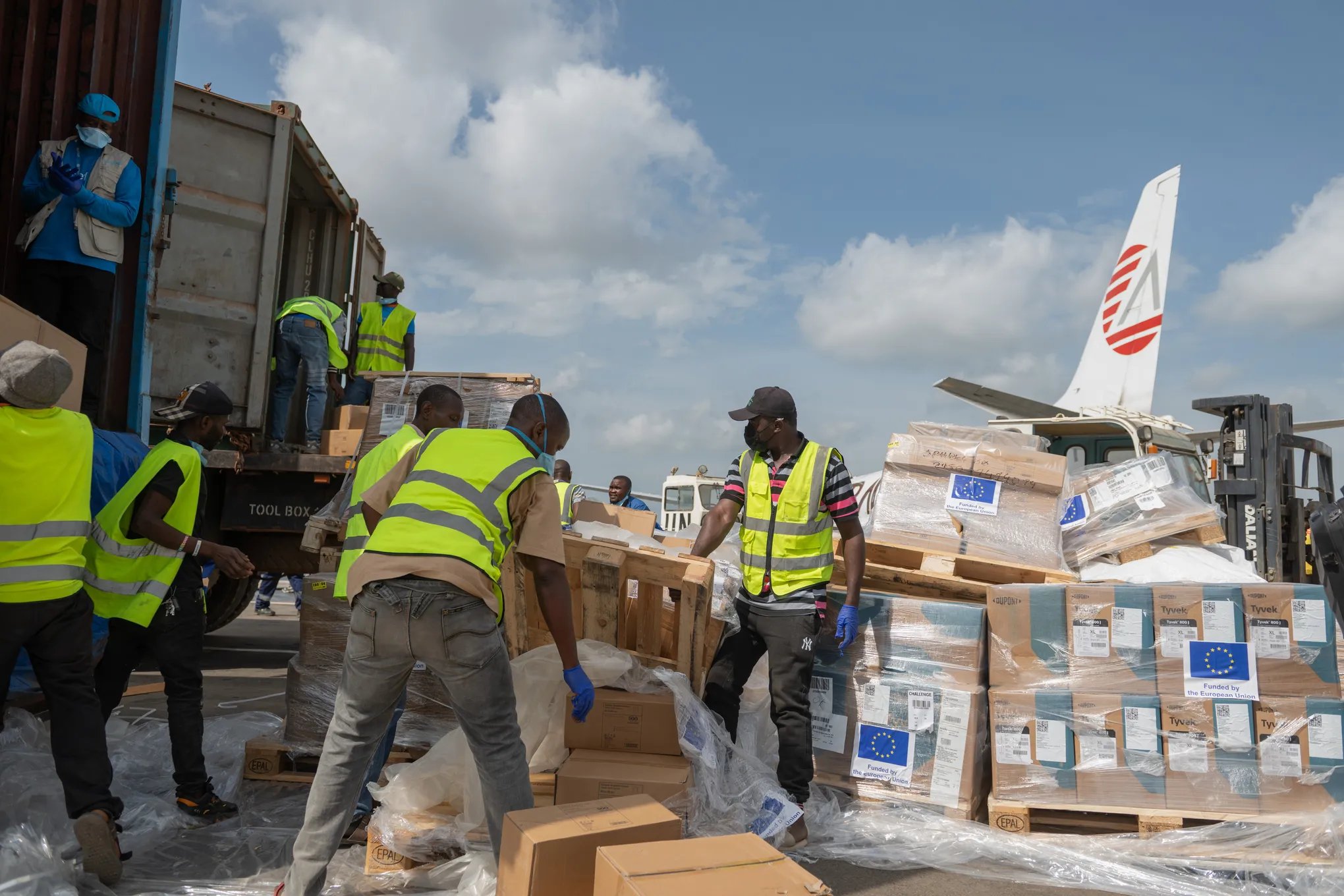
Health workers in DR Congo are employing various methods to treat Ebola patients while minimizing the risk of transmission. The Cube, designed by the Alliance for International Medical Action after the 2014-2016 West African outbreak, allows treatment without direct contact. However, only four units were in or en route to Bunia as of the reporting period, limiting availability. Supplies of personal protective equipment (PPE) are also limited, posing challenges for healthcare workers, as noted by the International Council of Nurses warning of shortages and the risks this poses to nurses' safety.
Struggle for Control and Support
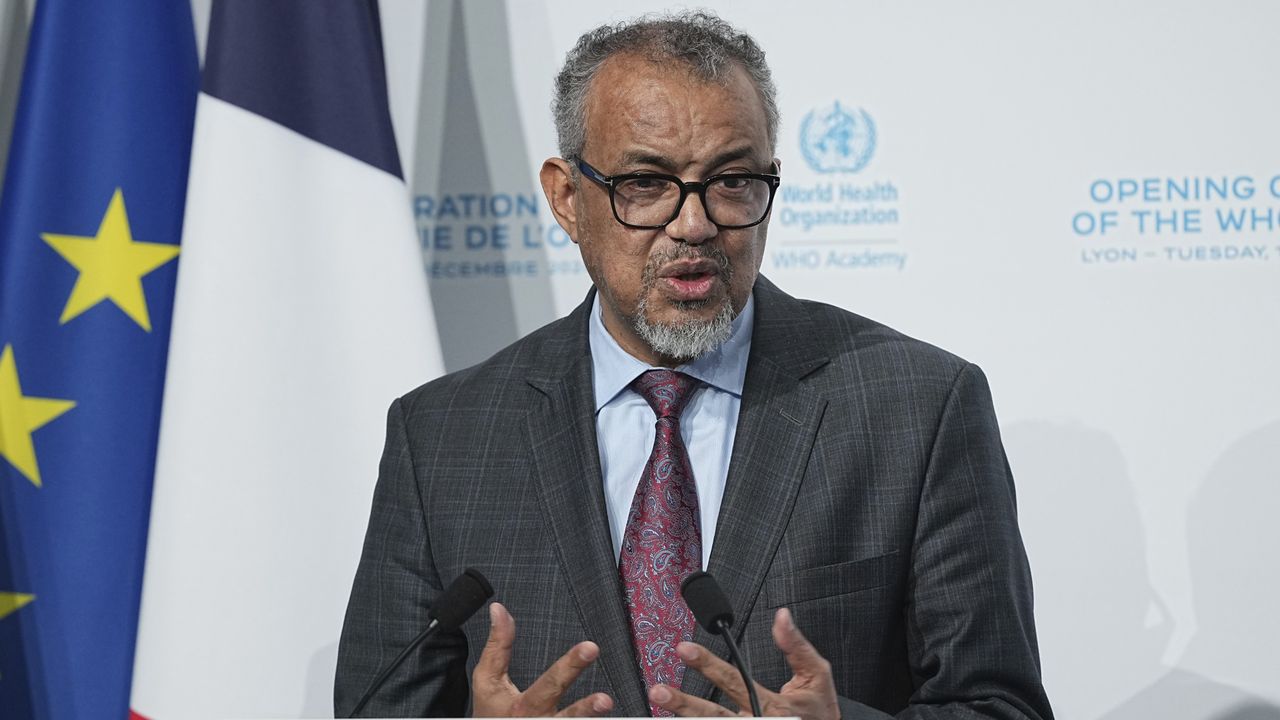
The outbreak, already the third-largest on record, persisted undetected for weeks because early symptoms—headache, fever, weakness—mimic common regional illnesses like malaria and typhoid. This delay allowed the virus to spread from Ituri to North Kivu, South Kivu, and Uganda. WHO Director General Tedros Adhanom Ghebreyesus called for increased international support during his visit to DR Congo, emphasizing the need to ramp up testing and treatment capacity and to promote trust in health workers. He also urged communities to work with health authorities, highlighting the importance of collaboration in disease control.
International Travel Restrictions and Precautions
In response to the outbreak, the US's public health agency has banned entry from non-Americans who have been in the DR Congo, Uganda, or South Sudan within the last 21 days. This measure reflects the global concern over the spread of the disease and the preemptive actions taken by nations to protect their populations.
Conclusion
The downward revision of Ebola case numbers in Congo by the WHO marks a significant shift in the assessment of the outbreak's scale. While this may indicate better control and identification of cases, it also underscores the ongoing challenges in managing the outbreak, including international travel restrictions, the need for PPE, and the importance of international cooperation in disease response efforts. The situation remains fluid, with the potential for further developments as the global health community continues to monitor and address the Ebola outbreak.





The sources also report that only two Cube units arrived in Bunia over the weekend, with another two on the way, highlighting the limited availability of this treatment method.